About Us
Home / About Us
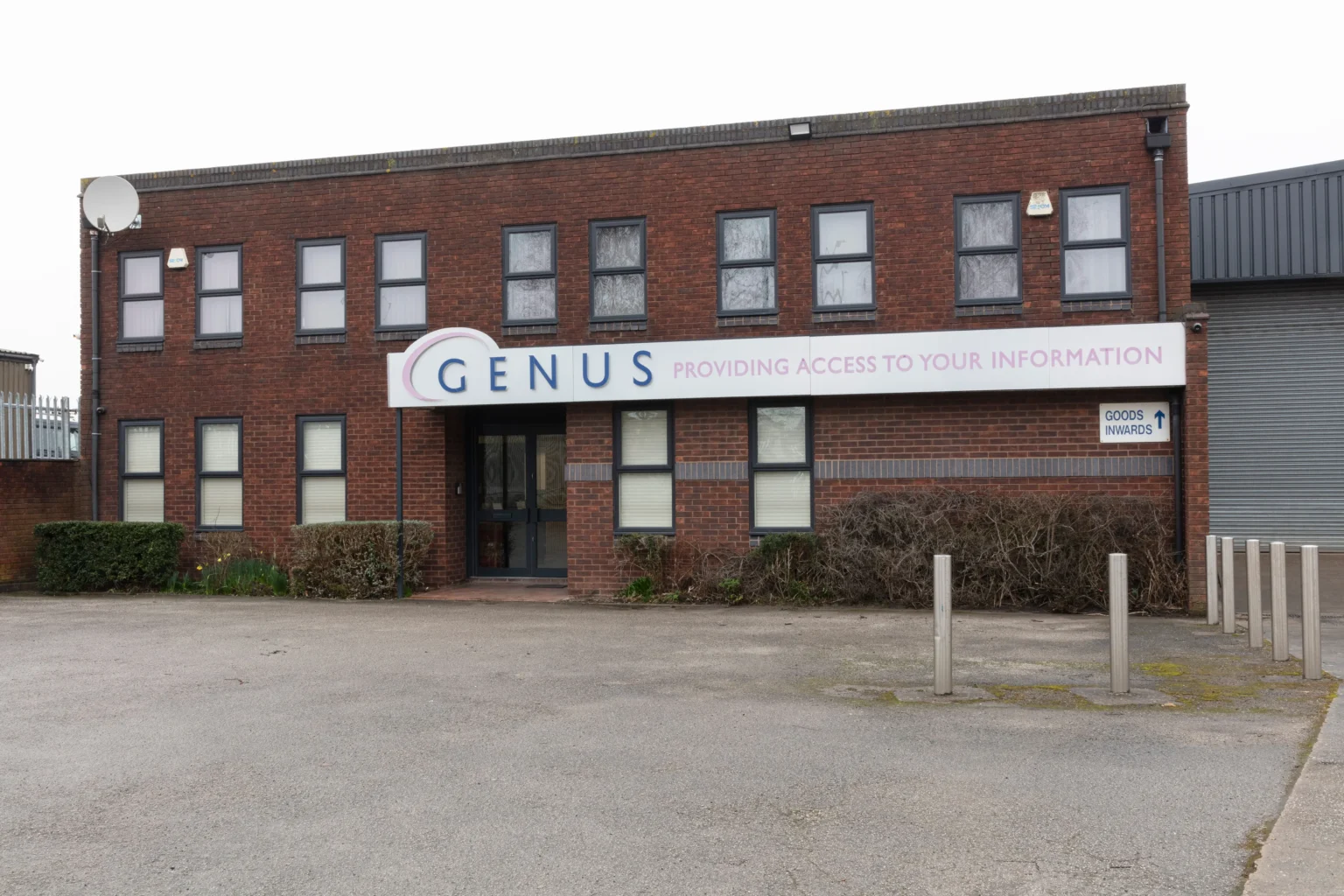
Genus is the trading name of J & J Negus Ltd, which has been trading since 1974 from its headquarters in Warwickshire. Employing 50 staff, we service customers in over 60 countries worldwide.
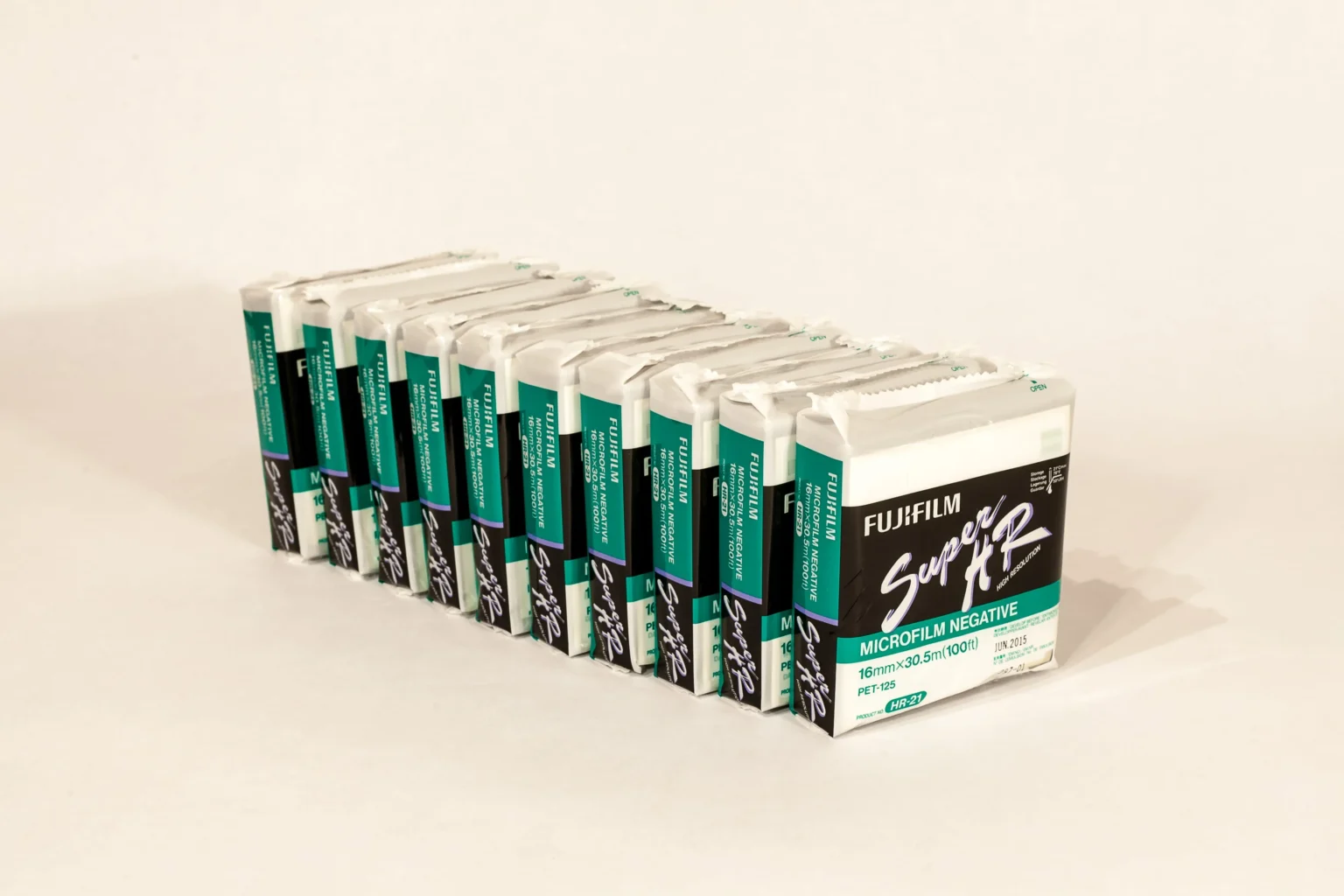
Founded on a commitment to preserving and sharing the world’s cultural heritage, our journey began in 1974 with a focus on microfilm. Now, over 50 years later, we have evolved into a leader in preservation and conservation, proudly serving as the exclusive Fujifilm reseller for the Europe, Middle East & Africa (EMEA) region and manufacturing and distributing consumables and equipment worldwide.
Inspired by Leonardo da Vinci, the Grand Master of art, engineering, and creativity, our approach combines a profound respect for history with the forward-thinking innovation essential to safeguarding it for future generations. This spirit of mastery drives us to reinvent how history is captured, experienced, and shared. Our high-end digital capture and preservation studios blend artistry with state-of-the-art technology, ensuring that legacies endure for centuries to come.
Our Company Timeline
The Early Days
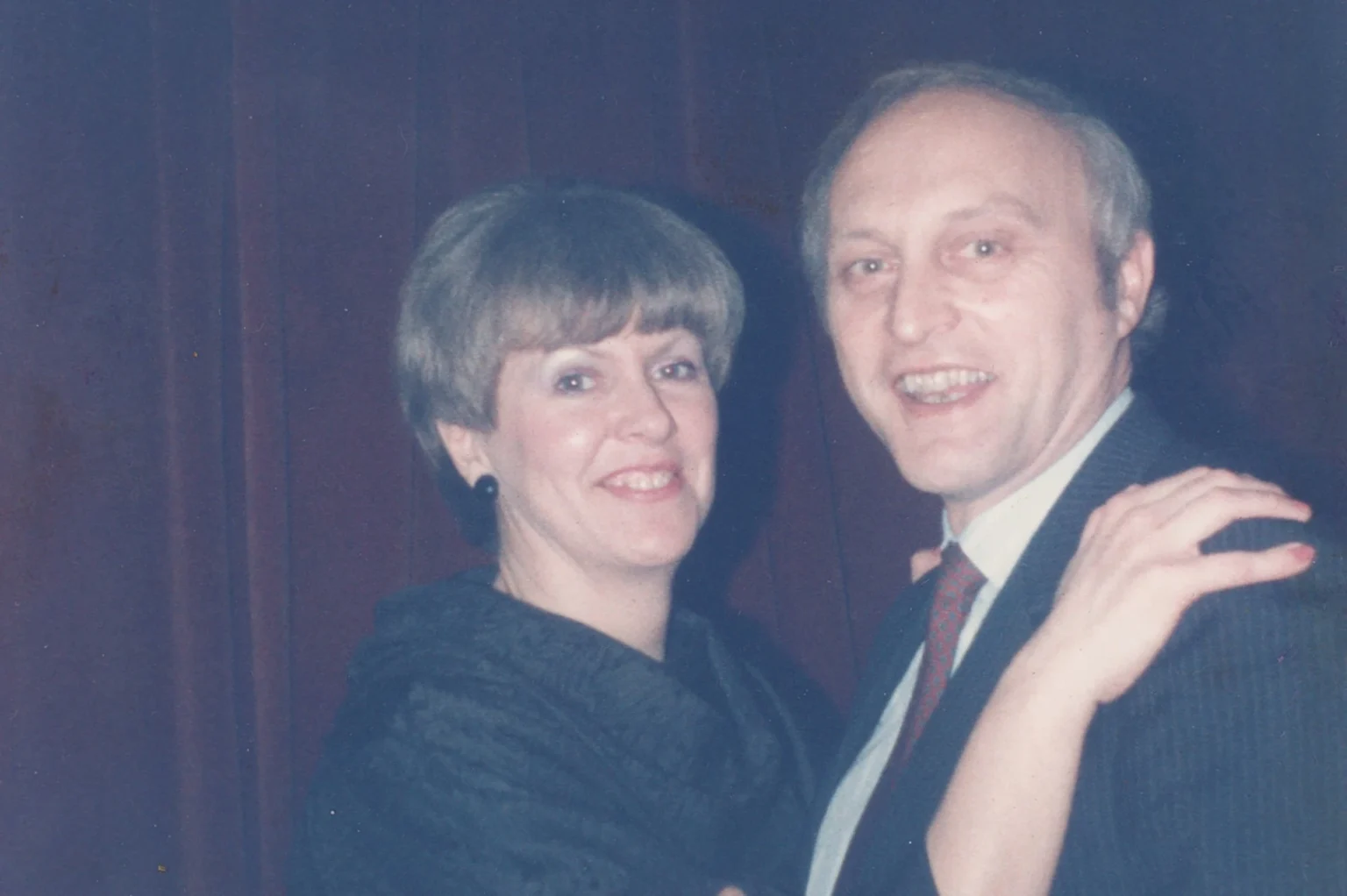
In 1968, two important things happened that would steer the life of Genus founder John Negus. First, he and his wife Jean would welcome their first-born child Paul. Second, John would lay his eyes on an emerging technology called microfilm.
During his time working as local government officer, John had first encountered microfilm in studying its great potential in the planning department. However, the challenge: most plan files mixed both standard documents and large drawings, meaning two film formats were needed, one 16mm and one 35mm.
Faced with the inconvenience of storing both documents and large drawings in an organised way, John devised a clear plastic microfilm jacket. It was practical and simple, but its design would become the seed of an industry leading business.
John soon acted on this idea, establishing Scanneg, which found quick success in using the microfilm jacket to provide a filming service to surrounding businesses.
Scanneg was later sold, and John left the venture with not only extensive knowledge of microfilm and its users, but the awareness of a huge gap in the market that needed to be filled.
What he had observed was that
‘Suppliers to the microfilm industry were large multinational US companies. You could buy from them only if you ordered in the quantities they dictated and could get past their credit control departments – not an easy task.’ – John Negus

In March of 1974 J and J Negus Ltd was created with the trade name of Genneg Associates and began operations at home in Sheepy Magna. It was established expressly to meet the demands of the niche microfilm consumables market. Guided by three principles of: A minimum order of 1 unit, trust-based payment (no credit checks unless problems arose), and fast overnight delivery. Genneg quickly found success in doing so.
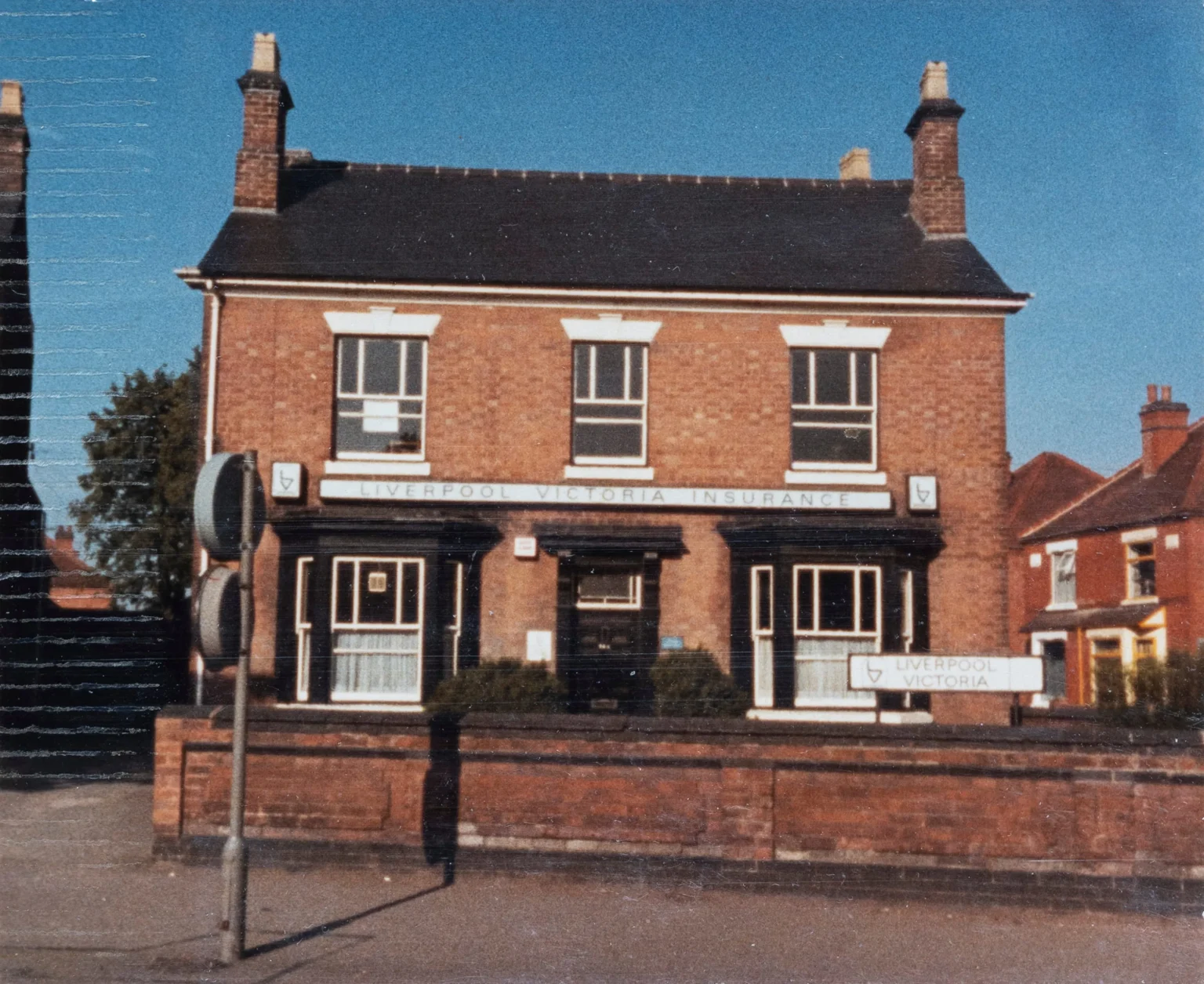
Operations quickly took off and outgrew the family house so were soon moved to rented premises in Coton Road, Nuneaton. Genneg now provided microfilm consumables to both trade and retail.
Strong Foundations
Genneg was quickly becoming a hub of commerce in the British microfilm industry. During this time, John and Jean’s family members pitched in to help. Jean’s sister Carol worked as a typist, and her mother Brenda Hubbard, affectionately known as “Sergeant Major”, who would become his steady right hand, keeping operations running smoothly while John travelled the country building relationships.
After Just 18 months of business on Coton road, Genneg already found themselves renting extra warehouse space in efforts to keep up with the ever-increasing orders that they were dealing with.
Within a few years, it was decided that Genneg needed its own warehouse and offices, so plans were made and soon construction would begin.

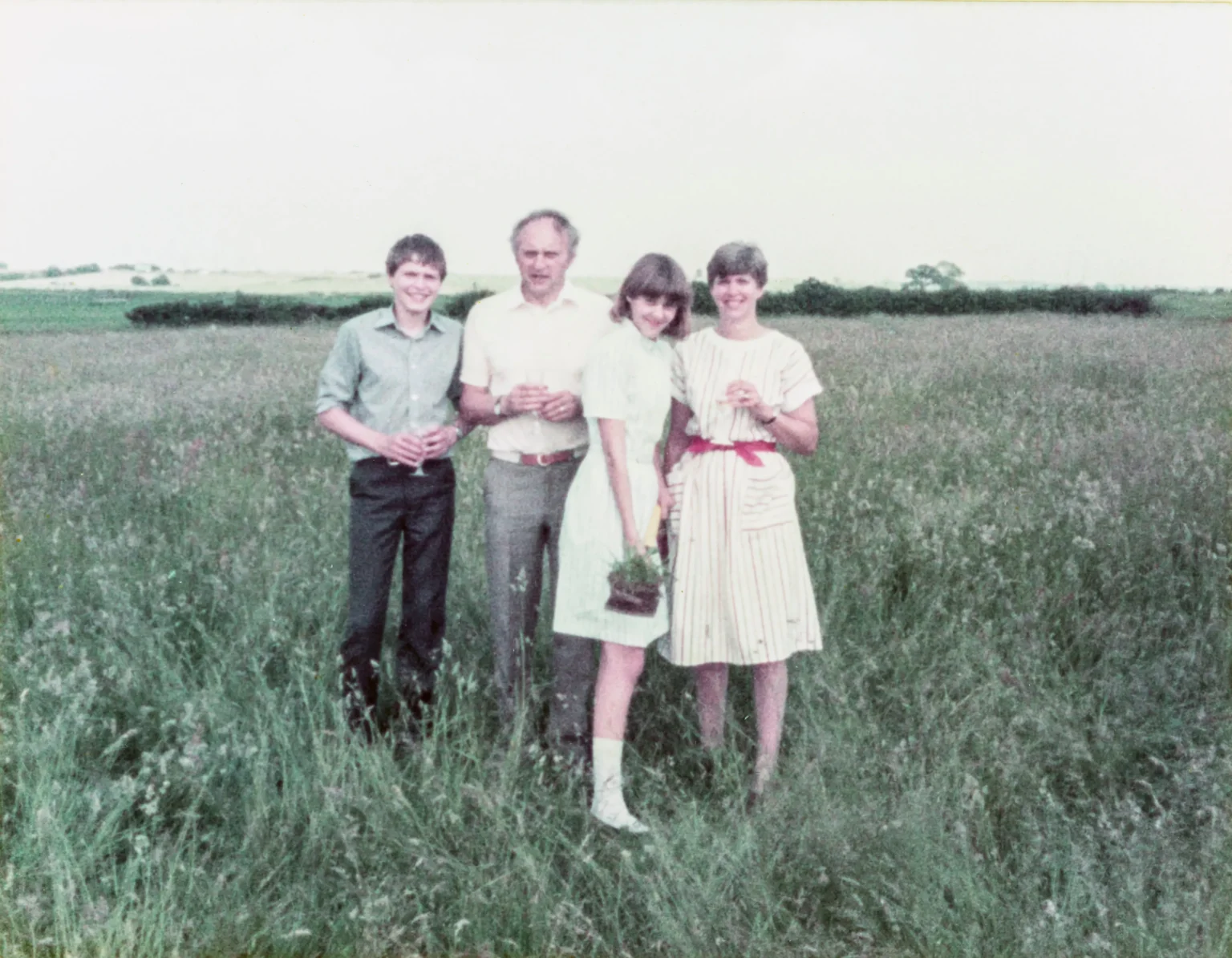
(John and Jean pictured with Children, Paul and Sarah, at the breaking of ground Ceremony)
In June Genneg cut first ground on the brand-new premises in Attleborough Fields Ind Est, Nuneaton; they were the first business on the estate to do so.
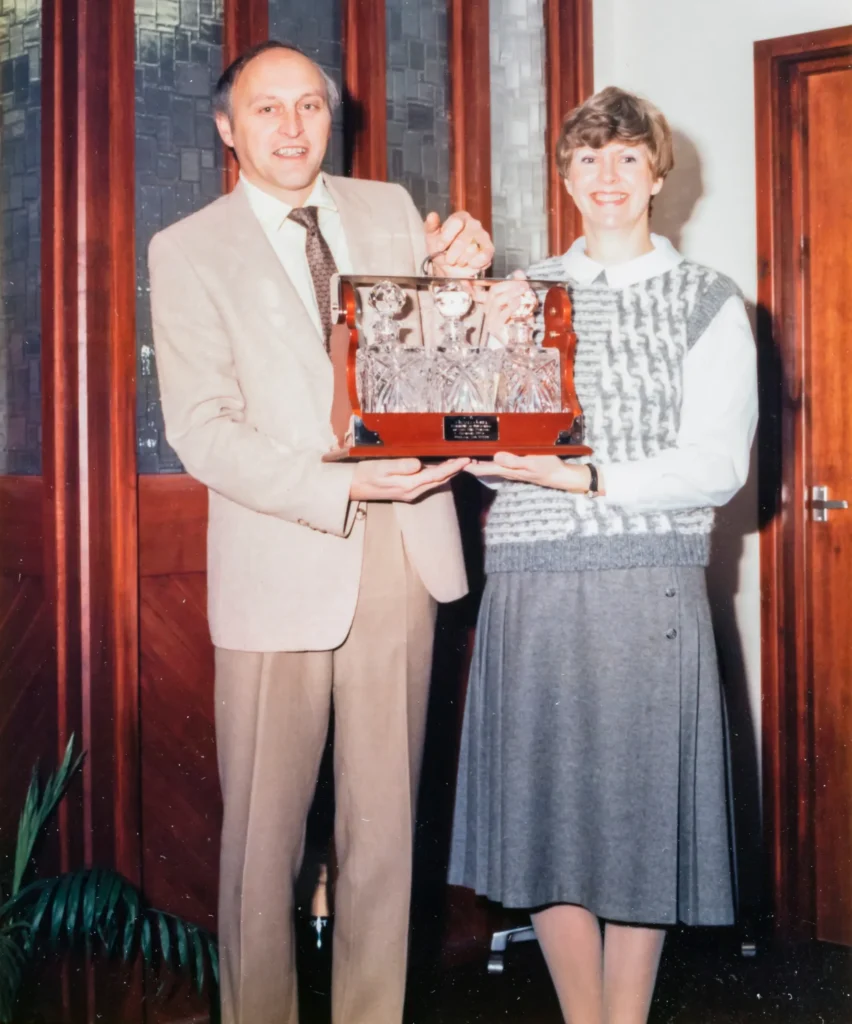
John and Jean Negus pictured with crystal decanters celebrating the completion of the building.
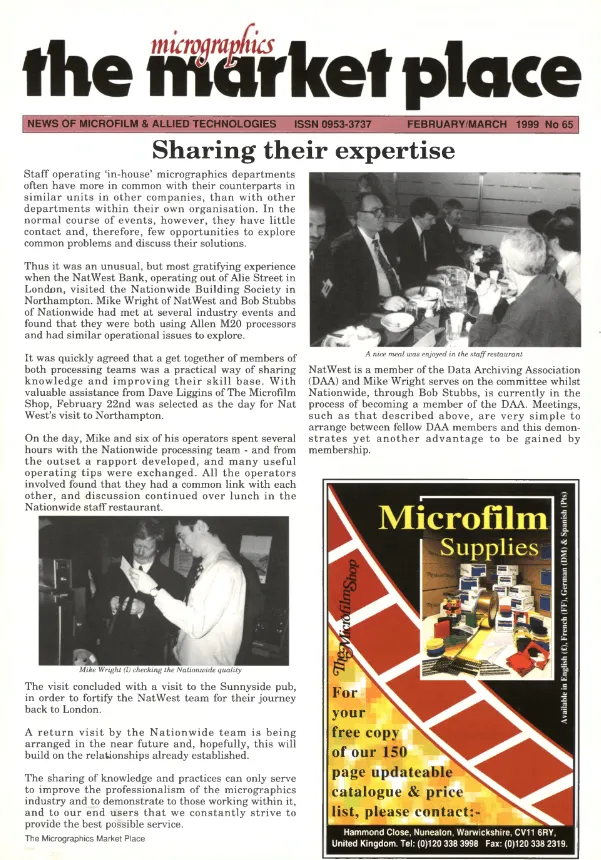
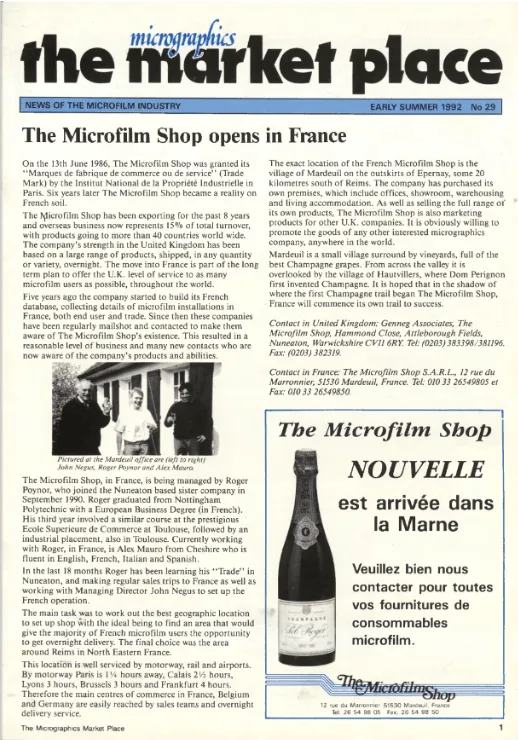
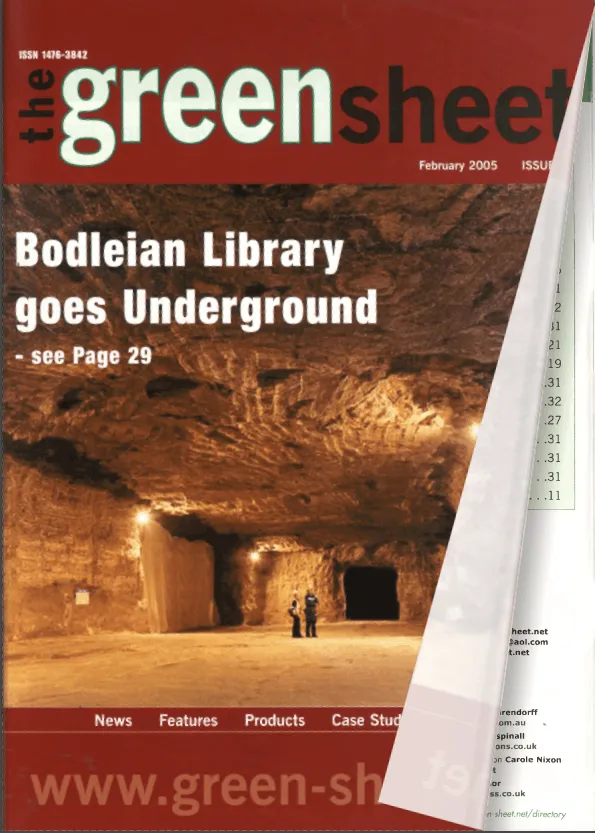
The Micrographic Market Place reported on all ranges of product news and other important happenings within the microfilm industry. This was distributed not only to customers, but competitors alike and anybody known to use microfilm.
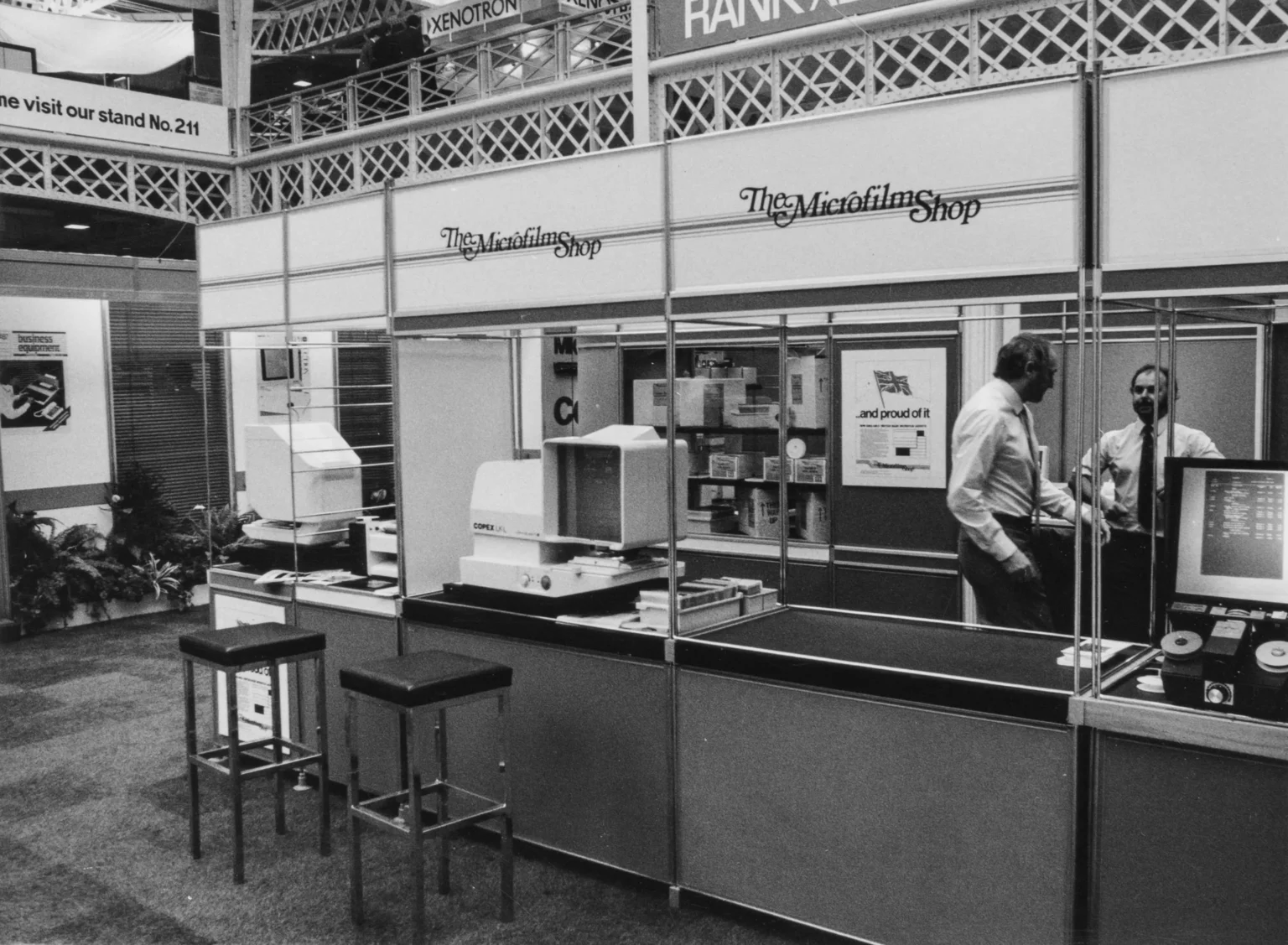
(John Negus pictured during the Wembley Business Fair)
Customers during this time began referring to Genneg as “The Microfilm Shop.” Which Genneg would lean into and rebrand as such.
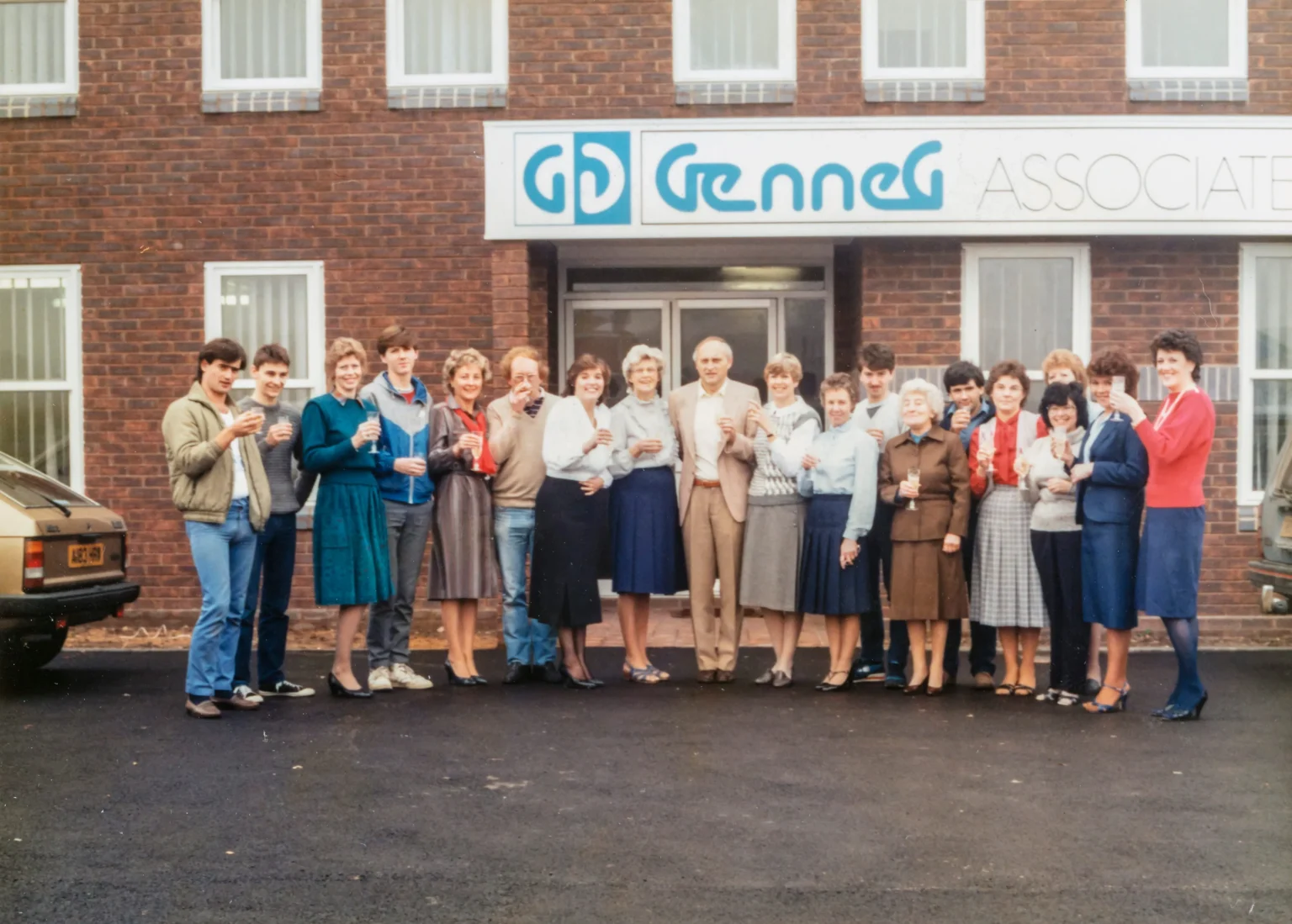
Building a Reputation
Through the 1980s, The Microfilm Shop built a reputation as a trusted supplier across the UK, known for reliability, innovation and personal service.
However, by the end of the decade, John’s drive, Brenda’s discipline, and Jean’s support had established a business that was not just keeping pace with the industry but helping to shape it.
With growing confidence and momentum, The Microfilm Shop set its eyes on a worldwide market, particularly the opportunities emerging across Europe.

The Microfilm Shop set up shop in France with their first international office and warehouse and began to pick up steam in the French market
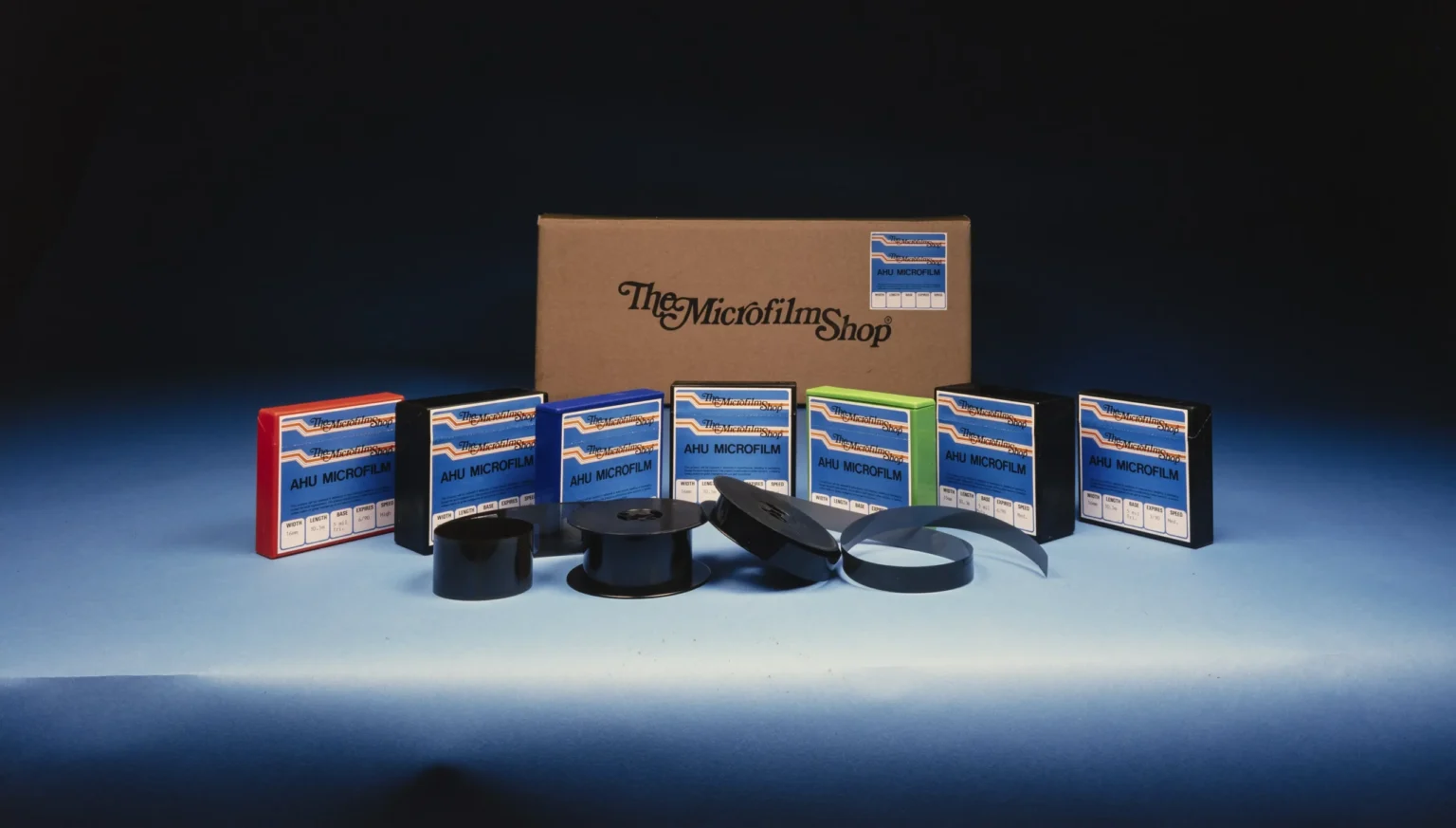
The Microfilm Shop adopted a policy of autonomy where possible and began the manufacturing of their own Spools and Cartridges, striping and cutting their own diazo film, and for the first time producing their very own microfilm jackets.
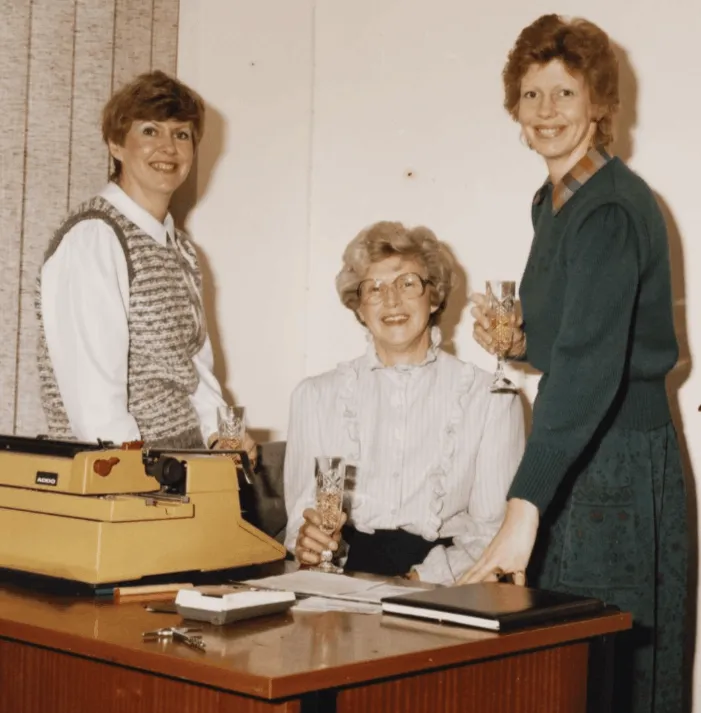
(Brenda Hubbard Pictured with her two daughters, Jean, left and Carol, right)
Following Brenda Hubbard’s 70th birthday and retirement from the business, her daughter Carol Piggon, sister of Jean Negus, stepped in as General Manager. Carol had been involved with the company since its beginning in the 70s and now took on the role of leading day-to-day operations.
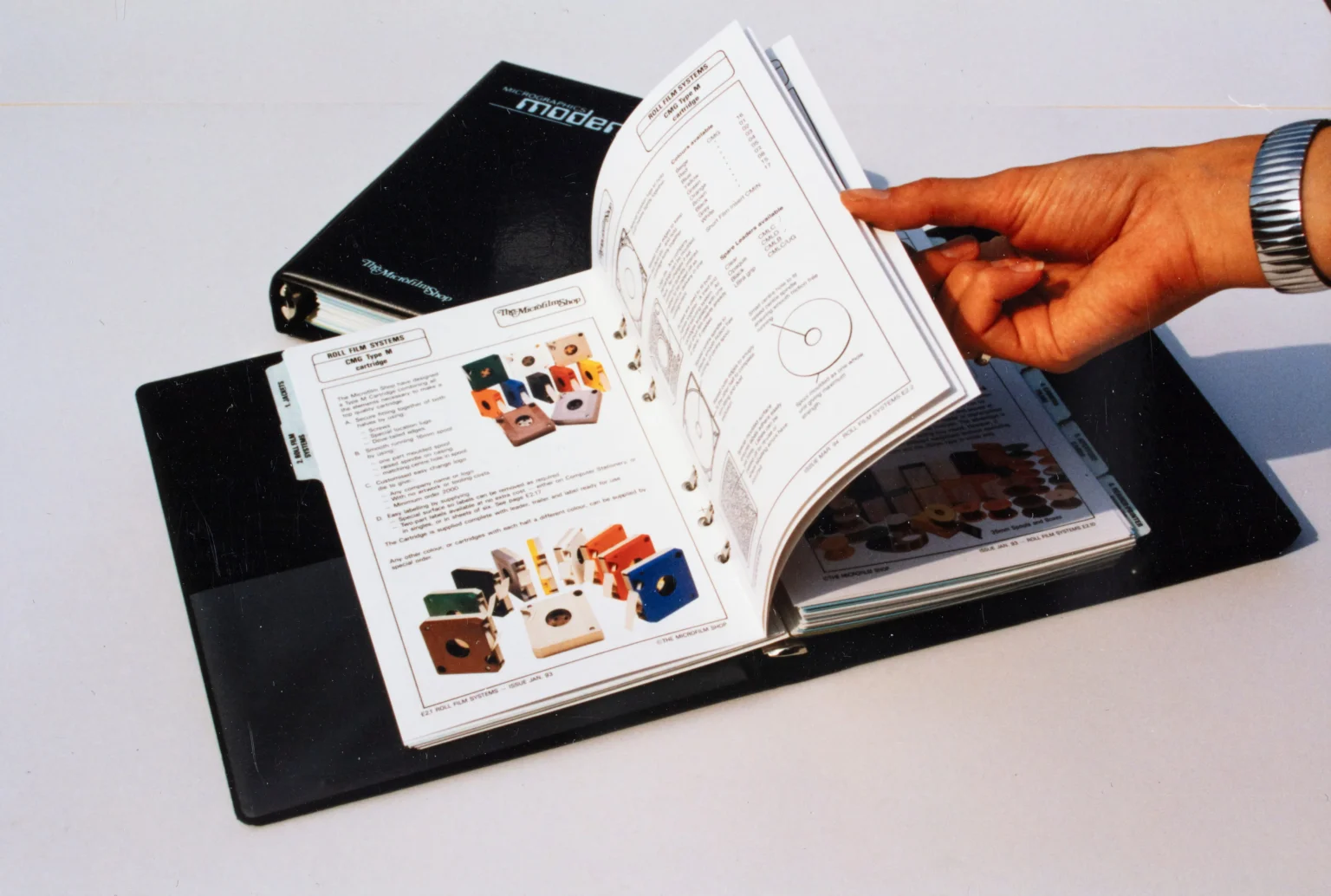
1994 for saw the launch of a major marketing campaign when, after building a global database of microfilm users, The Microfilm Shop set out on producing ‘The Micrographics MODEM’, a leather-bound Filofax manual. Included in these volumes were a comprehensive breakdown of their full product range and services. Updated every two months by post, it was essentially a company website predating the internet. Printed in multiple languages such as French, German, and Spanish; it was distributed worldwide.
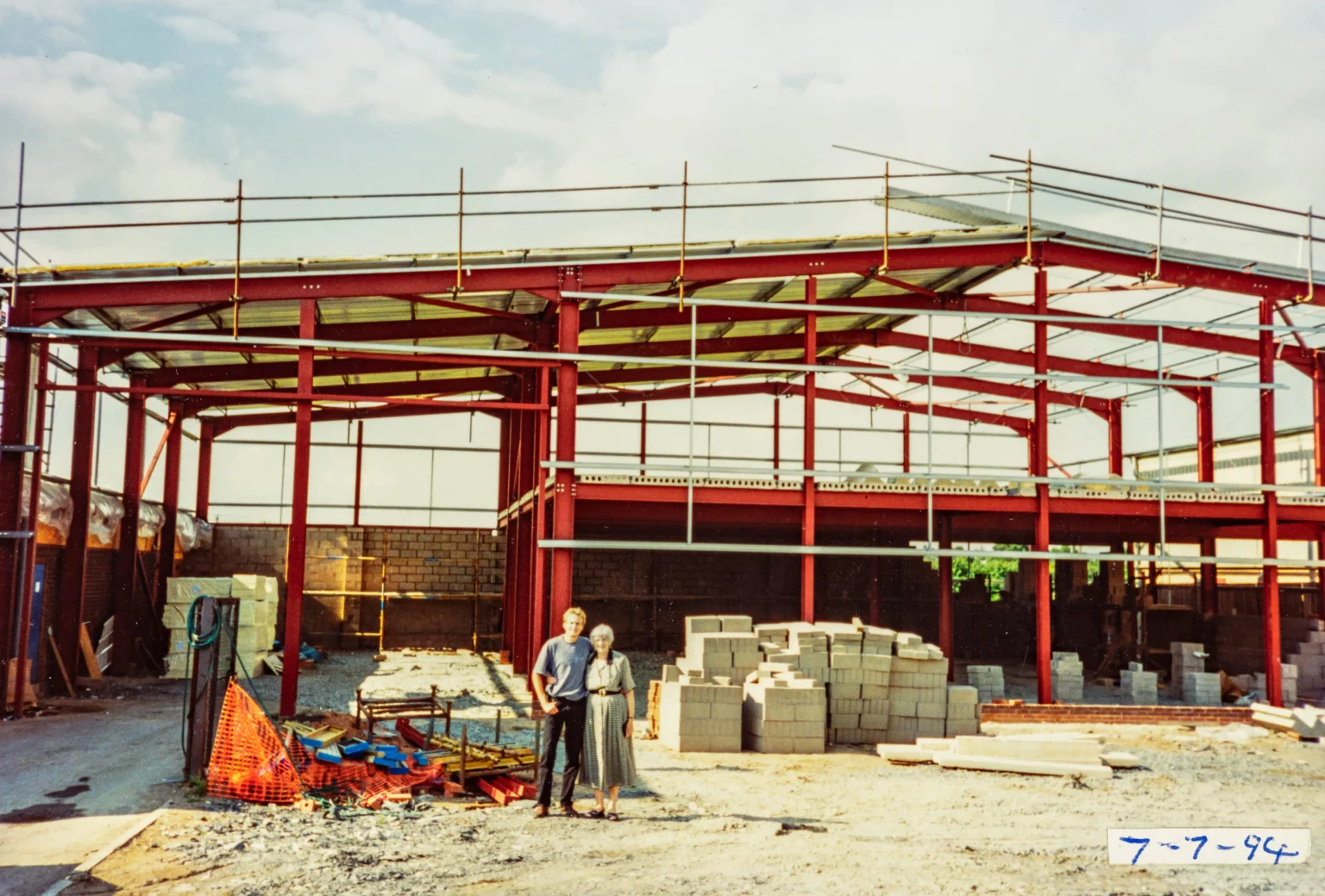
(Brenda Hubbard and Paul Negus pictured beside construction of an extended warehouse)
With the influx of not just domestic but now international business, The Microfilm Shop found themselves once again needing to expand their facilities. The warehouse in Nuneaton was extended to twice its original size, catering to the increased demand.
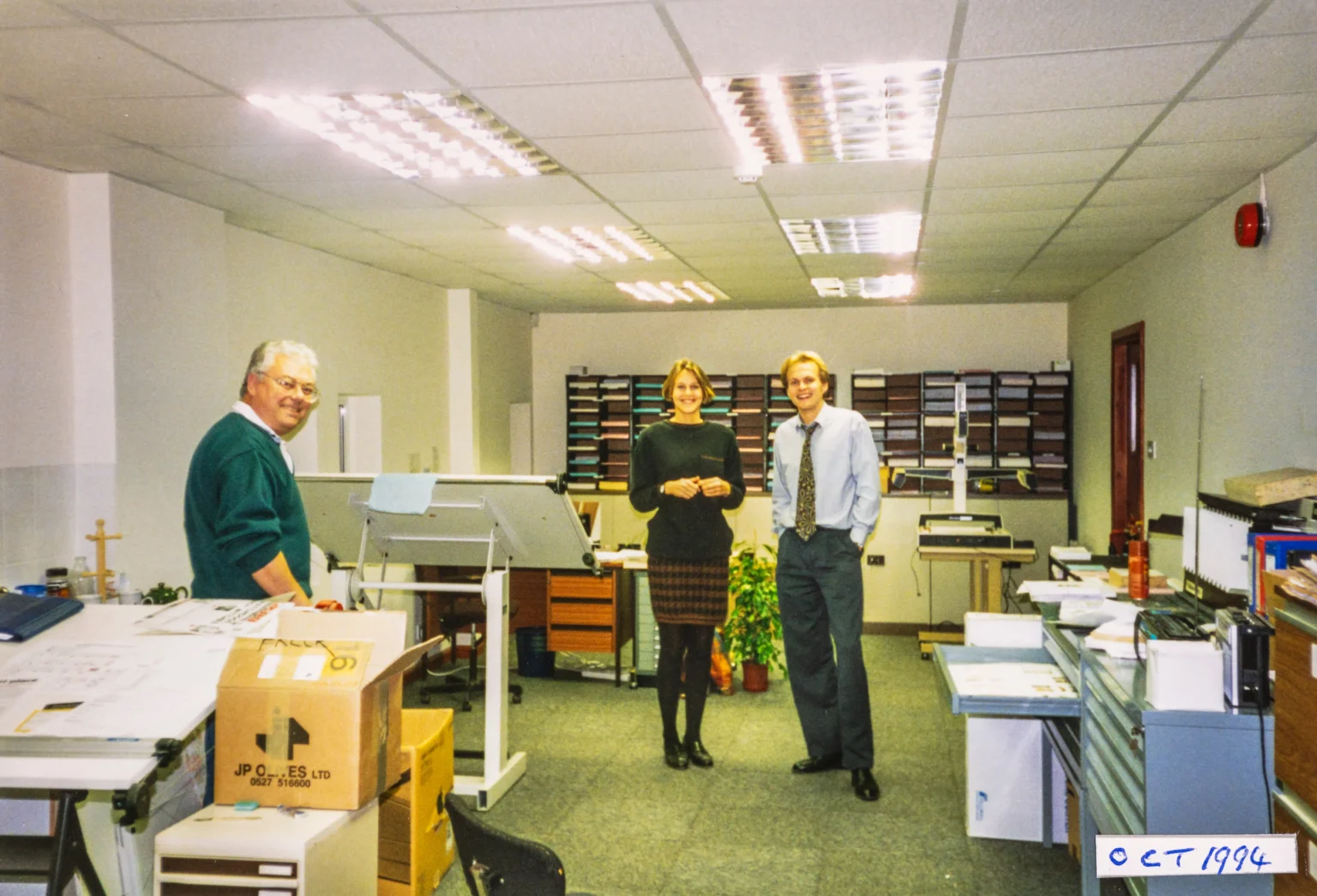
(Both Paul and Sarah Negus pictured next to Tim Nixon, Marketing Manager)
The 1990s saw both of John and Jean’s children begin devoting their time to the family business. Sarah Negus joined in 1993, working in the marketing division and taking charge of the MODEM updates. Paul, after studying business management, had already begun in 1990, primarily overseeing the setup of the exports office.
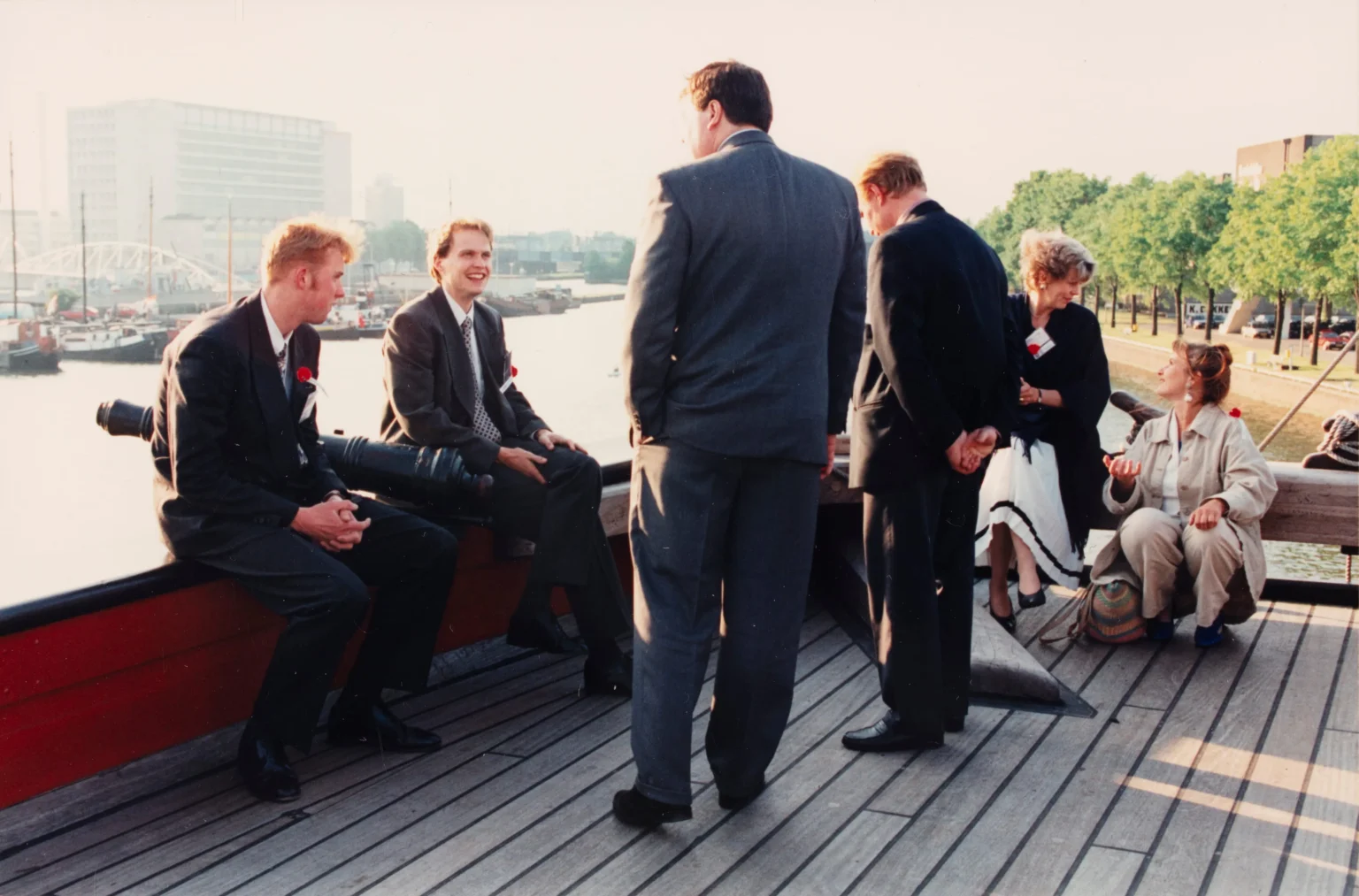
(From left – Ian Case, Paul Negus, Ian Webb, Roger Poynor)
The Microfilm Shop Attends the IMC Business fair
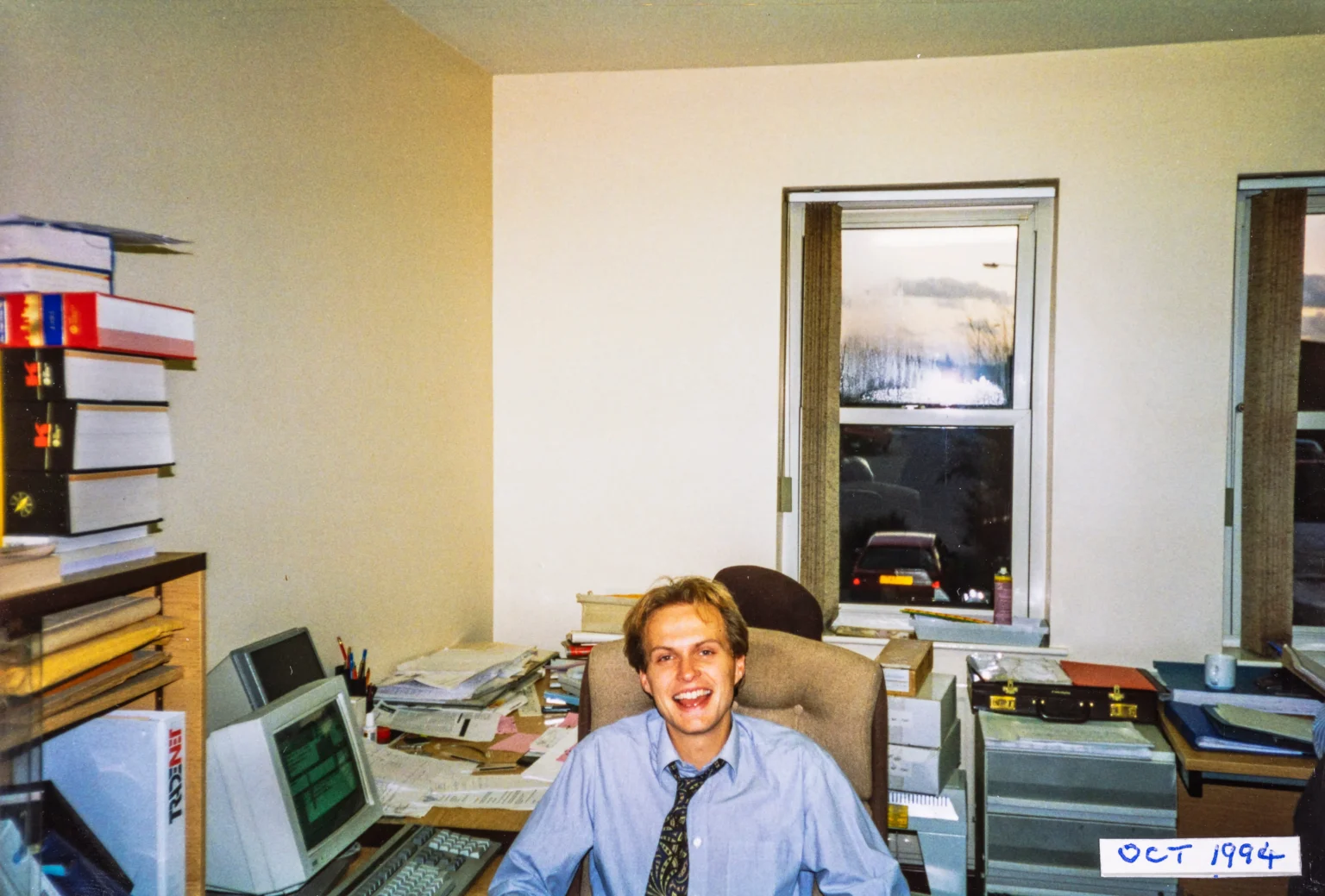
Paul Negus is promoted and becomes the Managing Director of The Microfilm Shop.
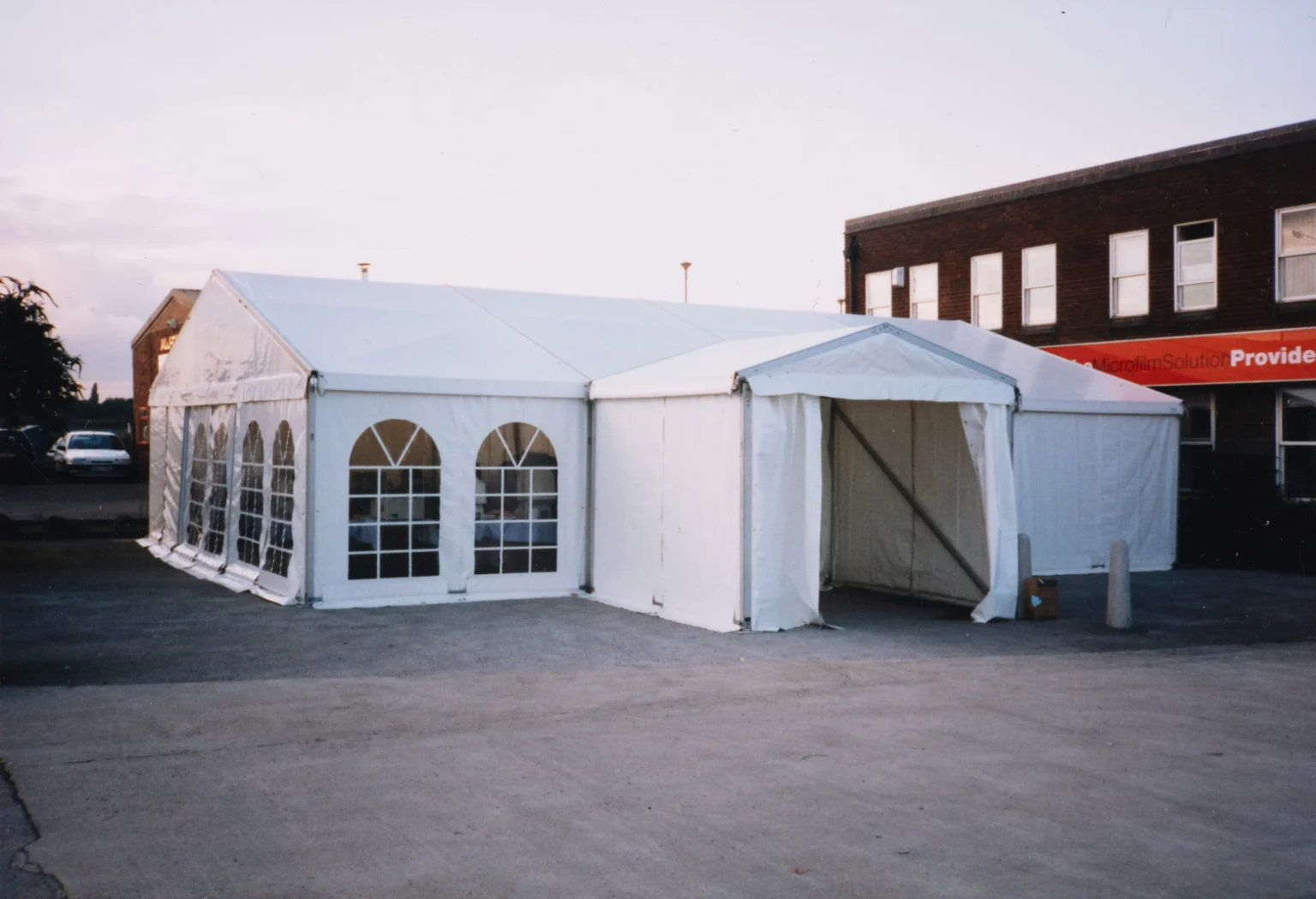
The Microfilm Shop, supported by Canon, Kodak, Mekel and other partners, hosted an open house marquee sales fair at the Nuneaton site. Over the course of three days, more than 100 companies were invited to see full demonstrations of the company's products and services.
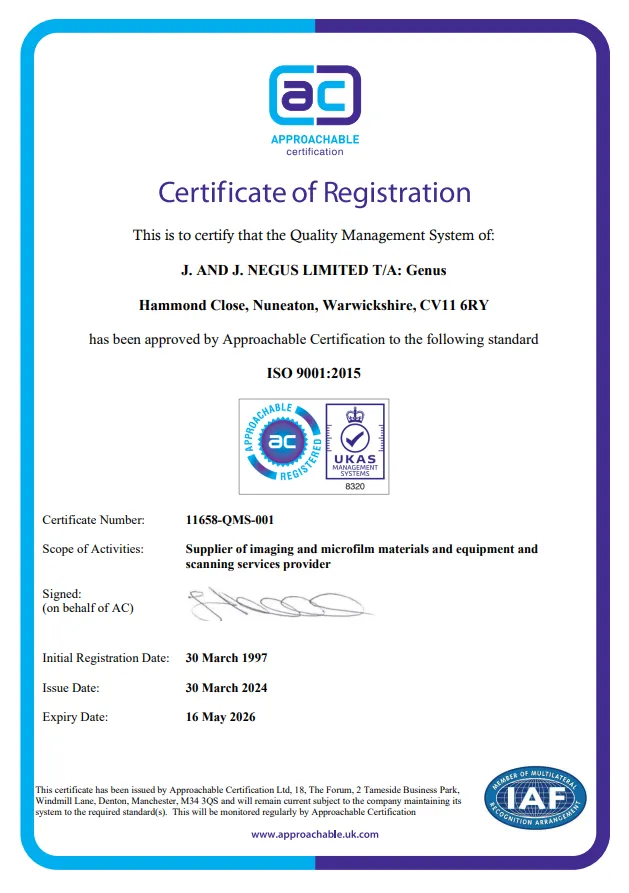
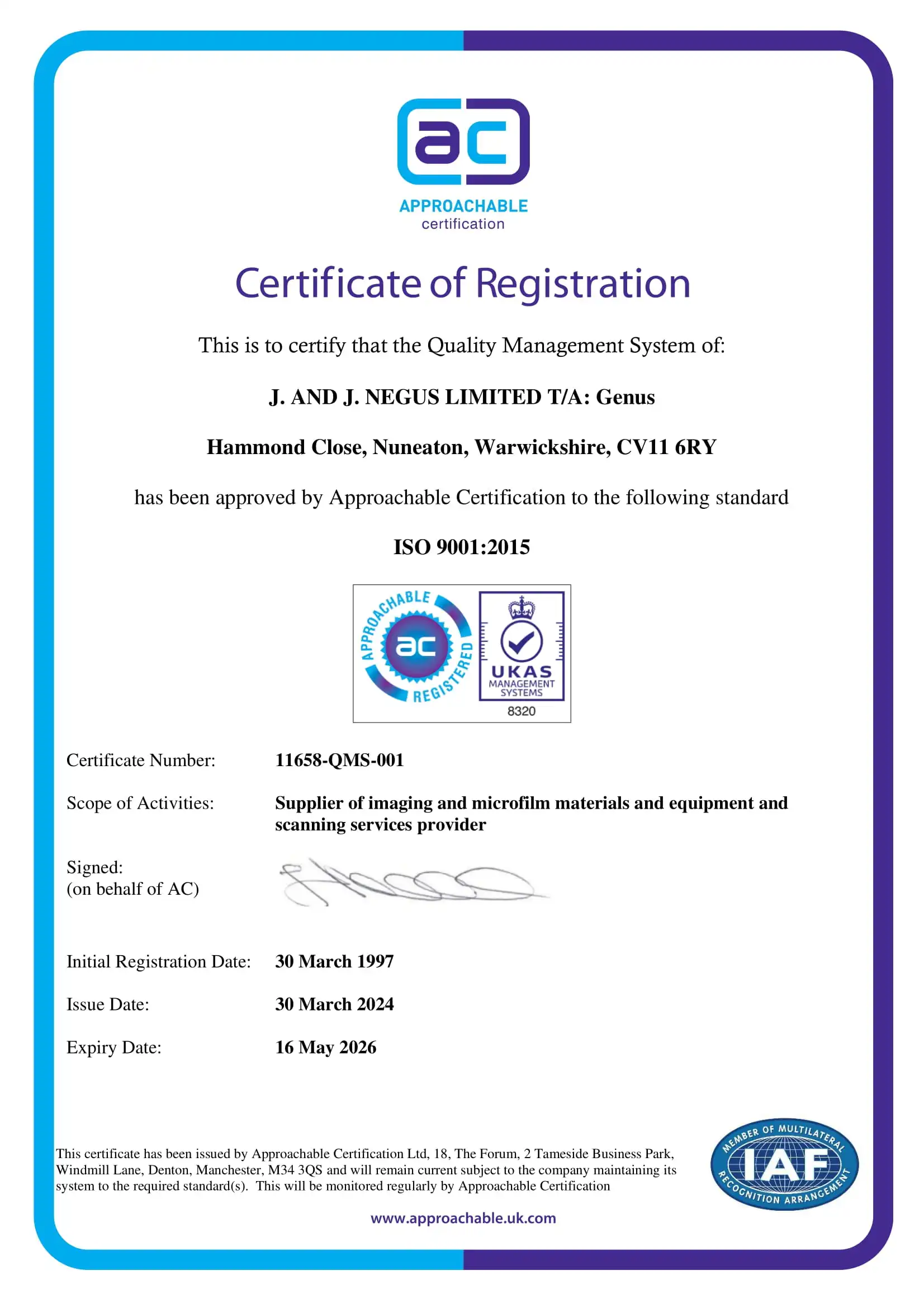
The Microfilm Shop earns certification initially to BS5750 and then ISO 9001 for Quality Management.
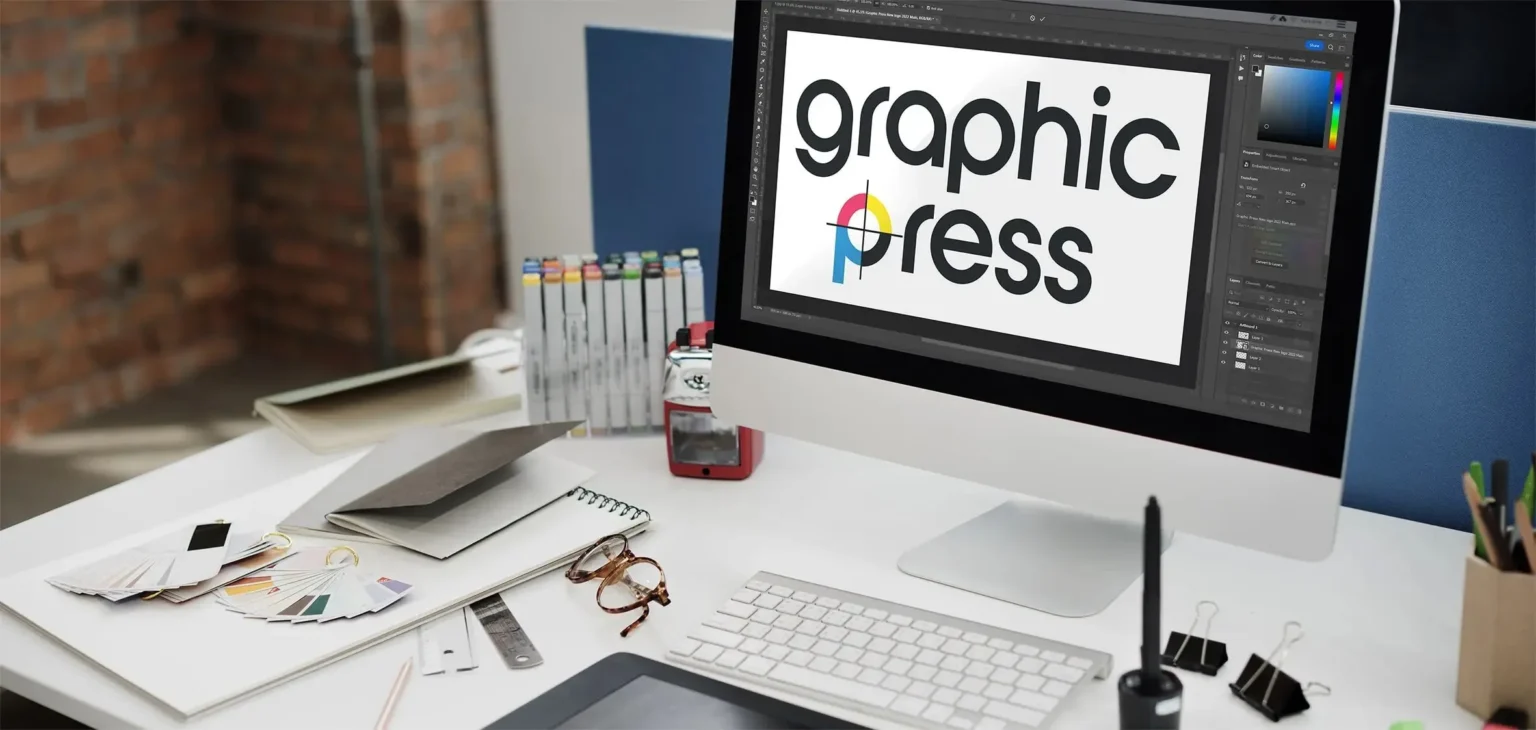
The business expanded its services and acquired Both JRK ImaginGraphics – European distributor of microfilm diazo, REAL - worldwide manufacturer of diazo and silver duplicators
and Graphic Press: a commercial design and print company.
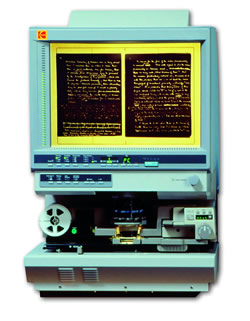
The microfilm division opened its first dedicated scanning studio, providing services to the British Library and local archives. Scanning was carried out using the Kodak ABR 3000 DSV-E, which for the time was considered state of the art technology at the time.
New Heights, New Leadership and New Challenges
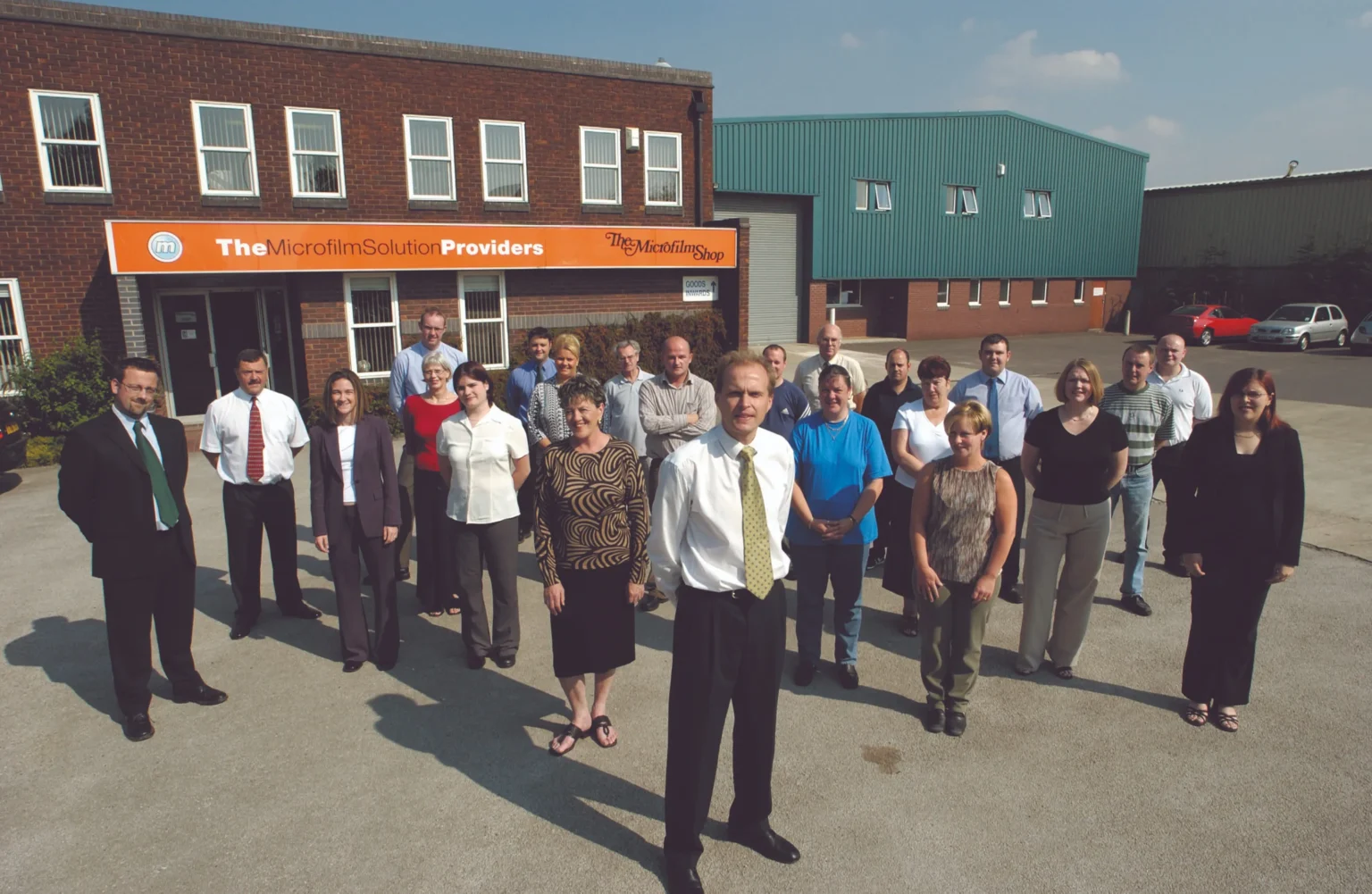
The 1990s saw The Microfilm Shop achieve incredible success domestically and abroad. Expansion into Europe and a doubling of warehouse space gave the company a strong worldwide presence, and business acquisitions as well as a constant push to improve services were slowly making the company an authority in the industry. The Microfilm Shop was thriving and the company was stronger than ever.
This was also the decade that marked a generational shift in leadership. Paul became Managing Director, supported by his wife Belinda, who joined the business in 1997 as Sales Office Manager. And his Auntie Carol also took on the role of General Manager, providing vital operational support during this period of transition.
Leaving the company in capable hands, John felt he could retire, leaving behind a business with strong roots. However, with The Microfilm Shop standing at its peak, the company now faced a unique challenge. The digital era was approaching fast and threatened to greatly change the face of the microfilm market when it arrived.
In John’s words, “It was up to young bloods to… bridge the analogue and digital worlds.”

After the company begins to become a prominent figure in the realm of digitisation, The Microfilm Shop rebrands as Genus to mark its change from a solely microfilm orientated business.
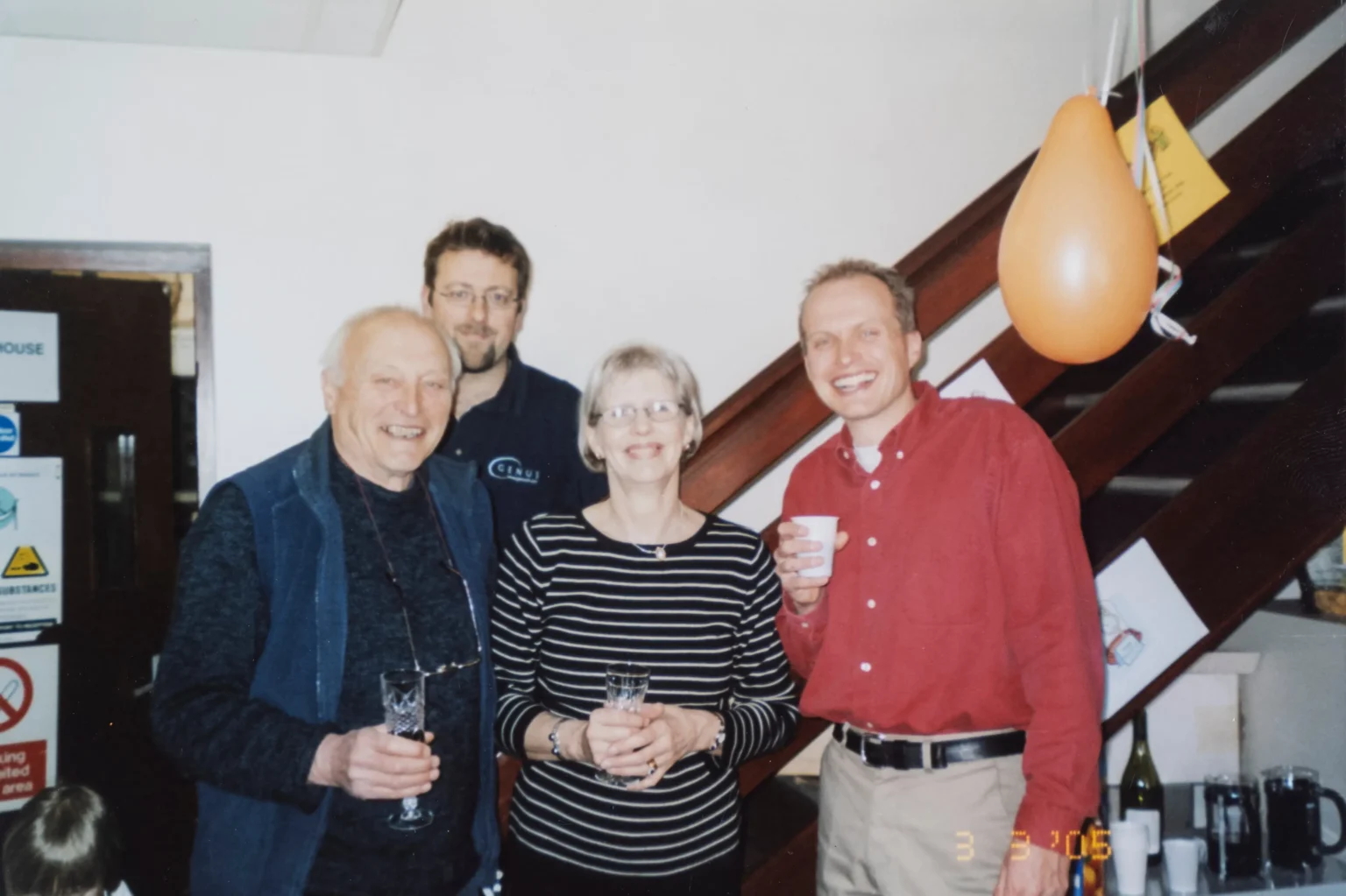
(Carol Piggon pictured with from left John Negus, Chris Elwell, and Paul Negus)
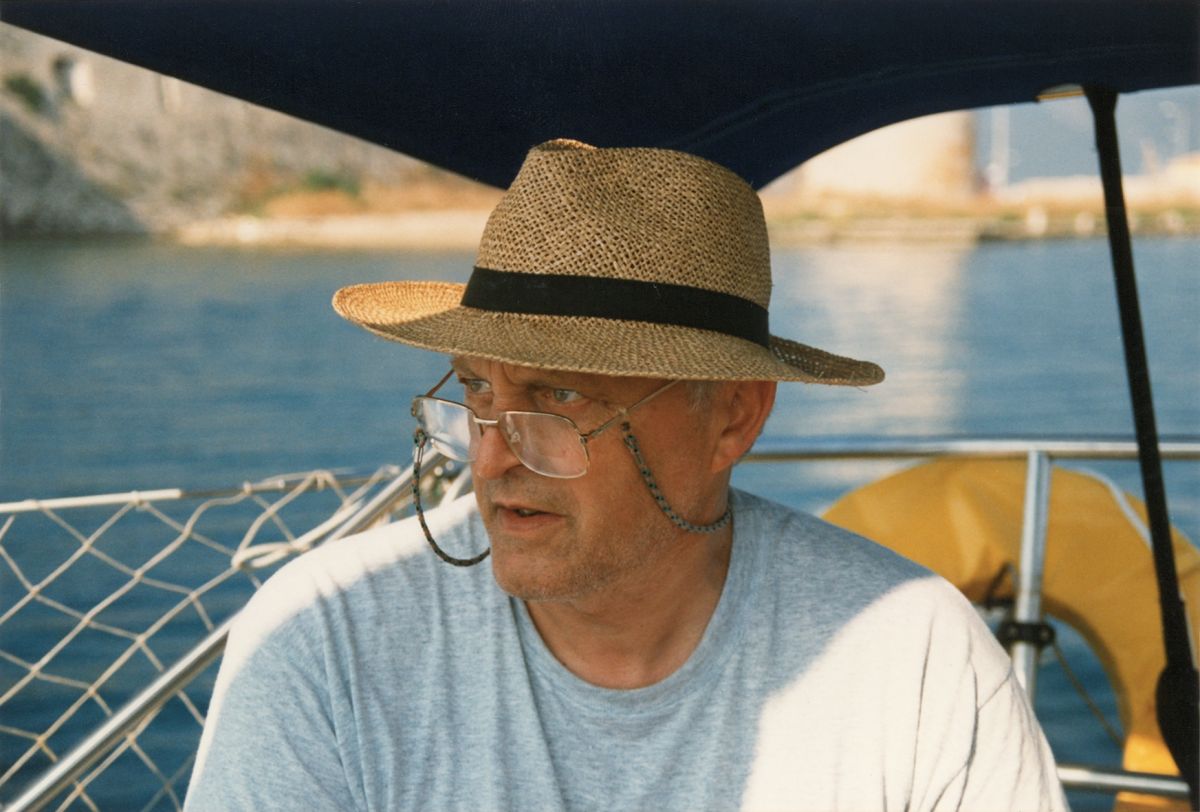
After a decade of guiding daily operations, Carol retired as General Manager. In her place, John Negus’s son-in-law Chris Elwell took over the role. Having begun working for the company in 1994 he had worked his way up from the microfilm processing and duplicating lab through to the Warehouse Manager and later Production Manager. Chris now took on the responsibility of all the company’s In-House operations.
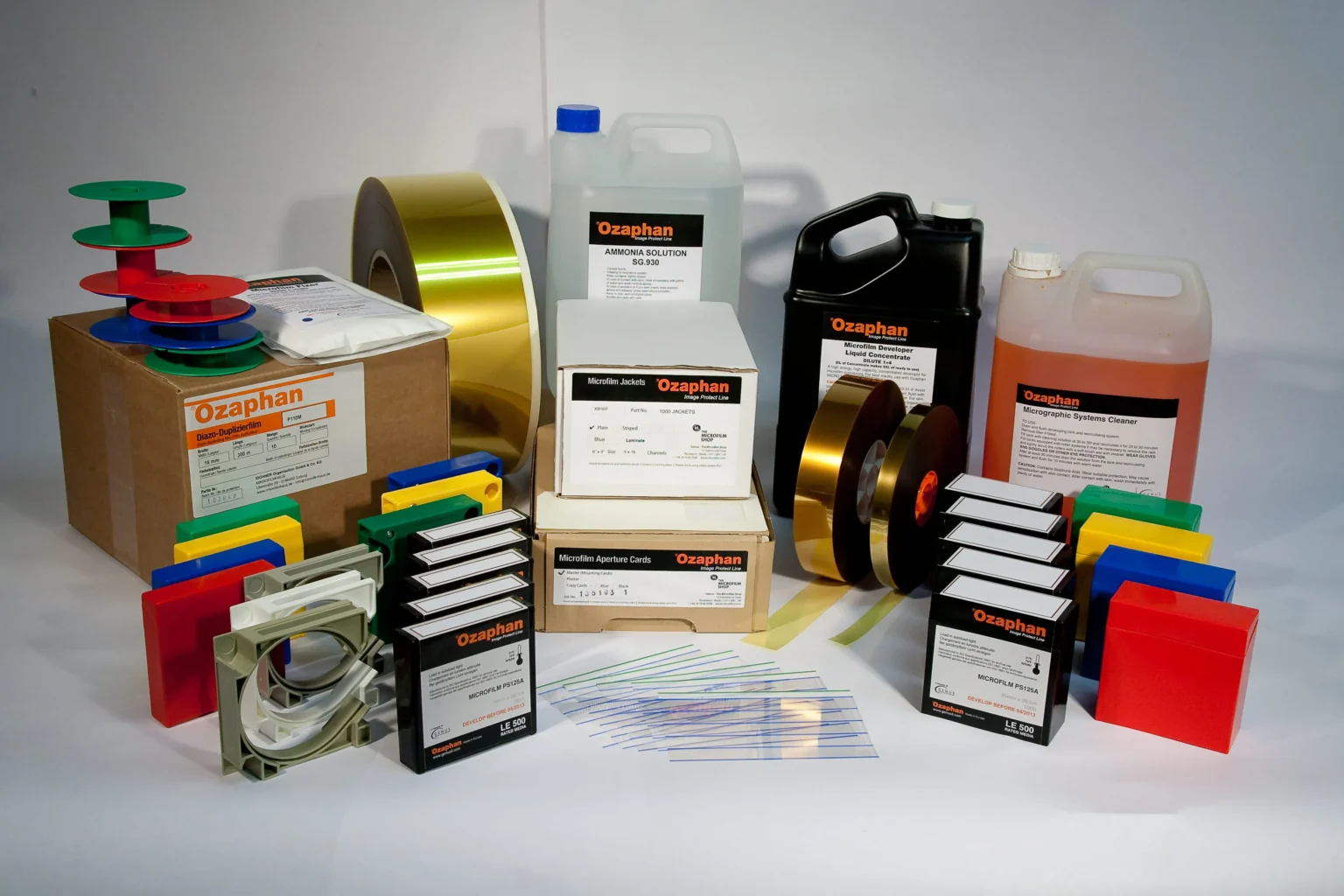
Purchase of Silver Lining – specialist manufacturer of microfilm chemicals.
Purchase of OITUK Ltd – developer of Document and Record management software.
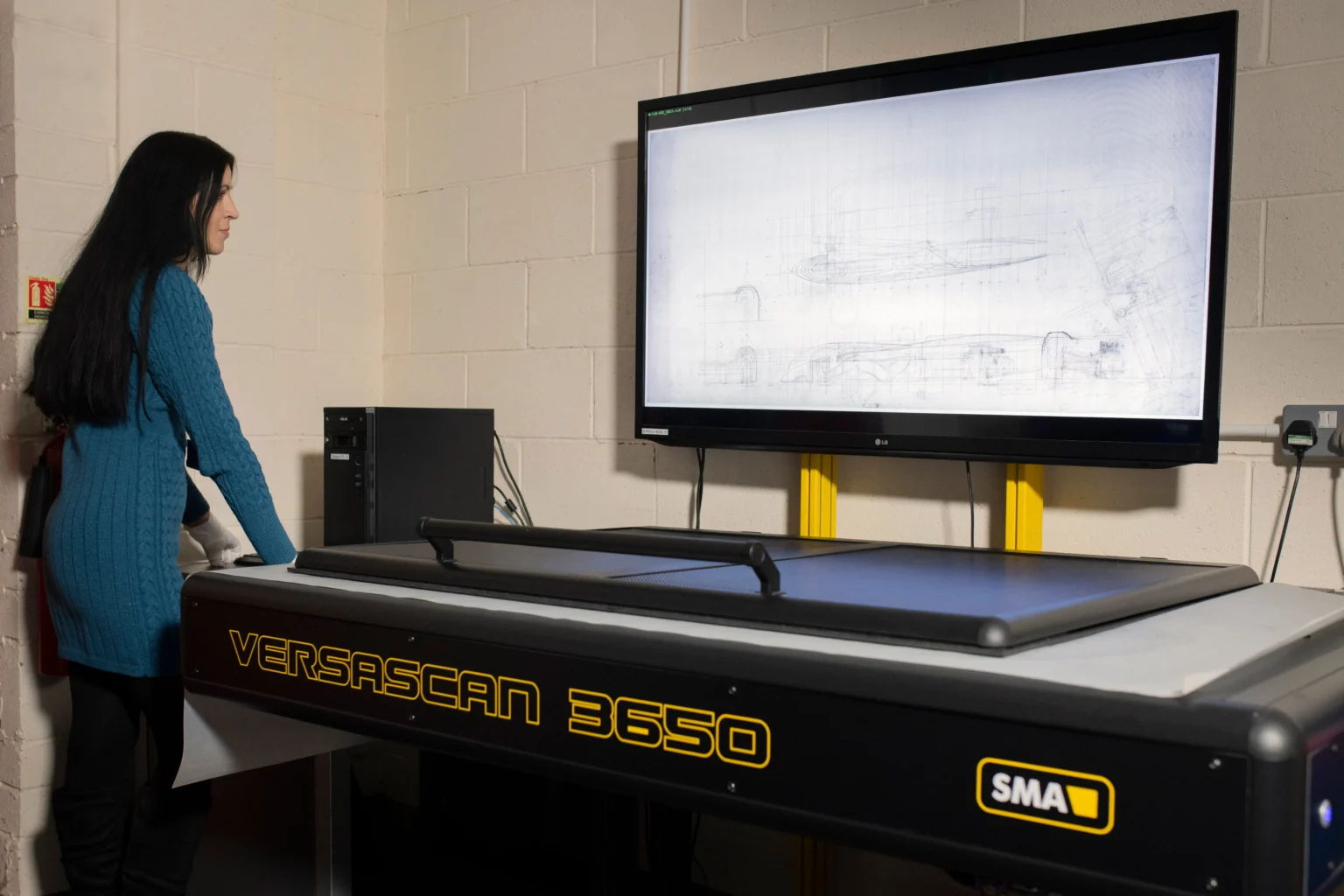
Genus became the first UK provider of SMA scanners. Following this, the company established a new Large Format division, specialising in plotting and scanning equipment for engineering drawings.
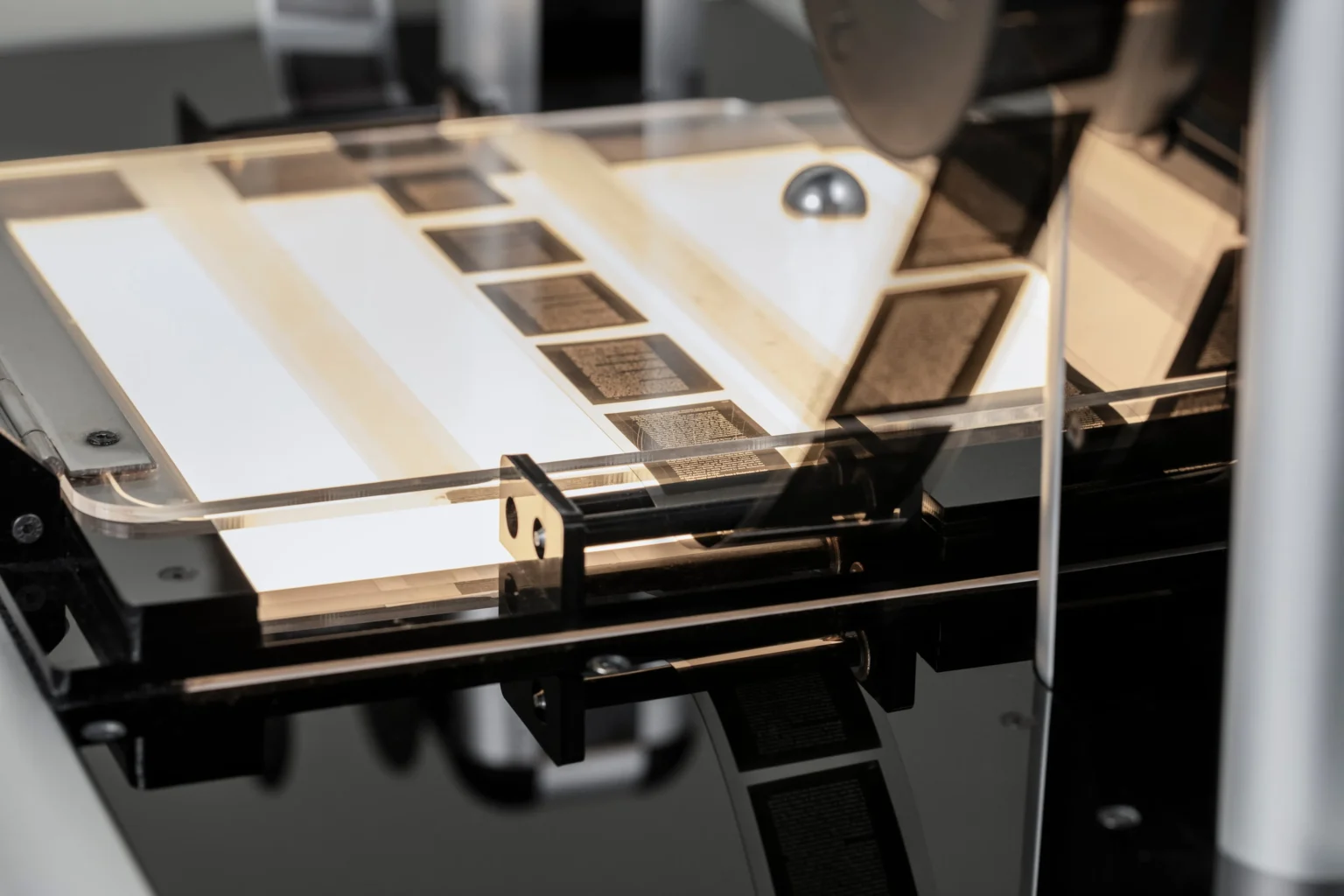
We purchased the micrographic service division of Graphic Data UK Ltd and EDM to create our own Microfilm Equipment Service Division.
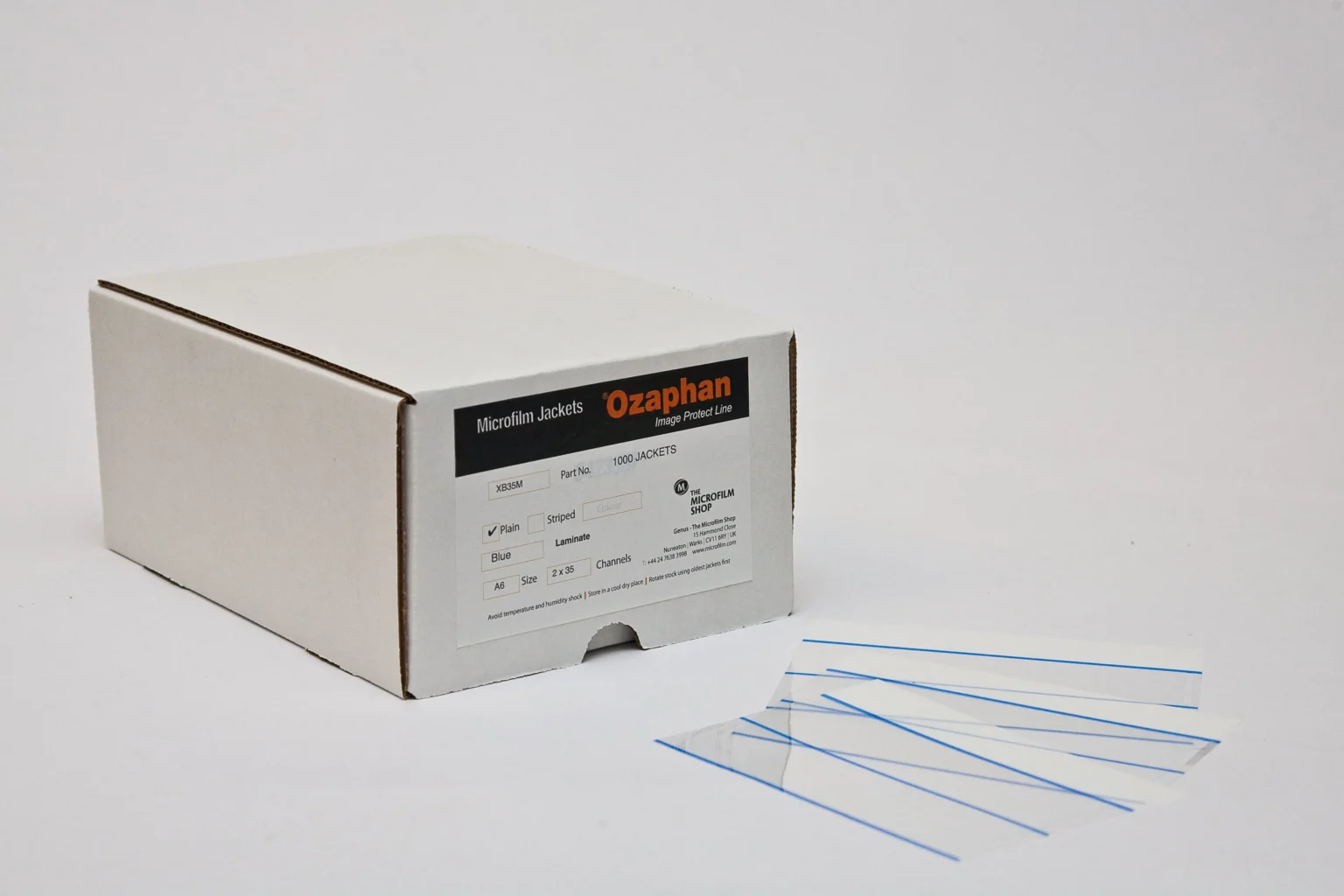
Genus acquires all customers, stock and supply chain of Eichner Mikrofilmhaus, worldwide distributor of microfilm consumables and owner of the Ozaphan microfilm product range.
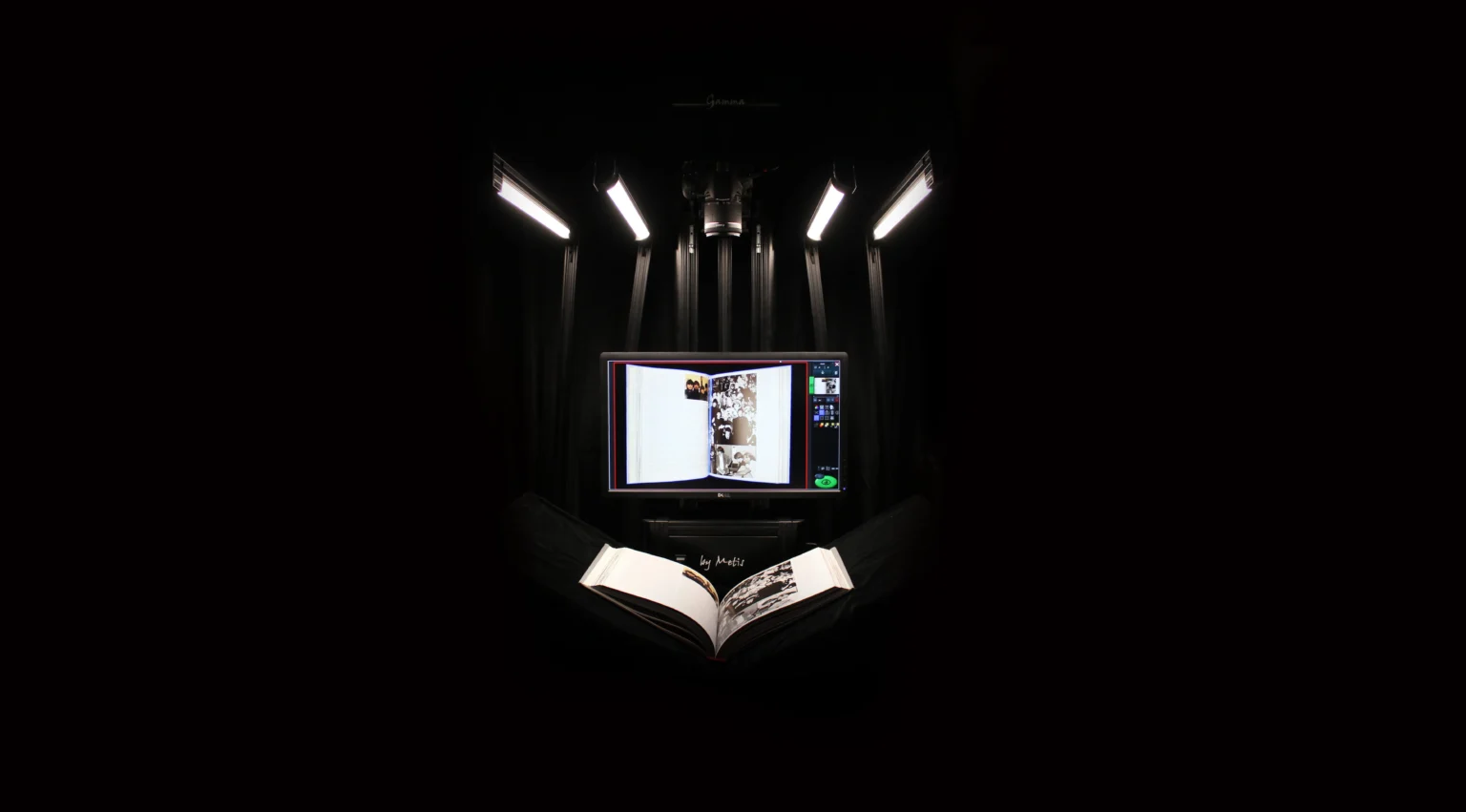
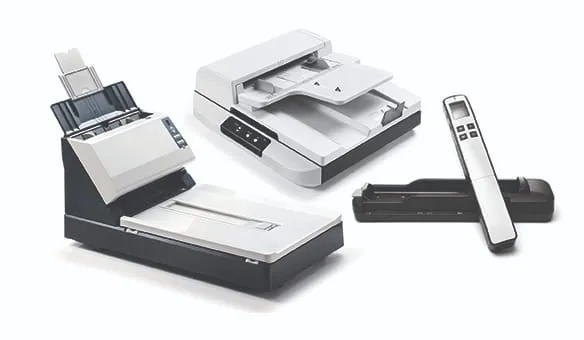
The creation of our Imaging Technology division - specialising in book, film and document scanners and software.
The Next Generation
The 2010s were a truly transformative time. Under new leadership, Genus not only adapted to the digital era but thrived alongside it. With Paul as Managing Director and Chris as General Manager, the business was successfully steered into the future by pioneering new technologies, expanding services and building lasting partnerships.
By the close of the decade, Genus evolved a broad range of digitisation services while continuing to champion the security and longevity of microfilm. Genus, after acquiring major competitor Eichner Mikrofilmhaus was recognised not only as a leader in microfilm, but more recently as a trusted name in digital preservation. The company, while staying grounded in its defining qualities, was beginning to evolve.

Genus was appointed sole European, Middle East and African Distributor for all Fujifilm microfilm products.

Genus Launched a Green Initiative. A 45Kwh Solar panel system was installed on the Genus roof, and later undertook a major refurbishment with new windows, LED lights, Carbon Capture Tree Planting and new heat source pumps.
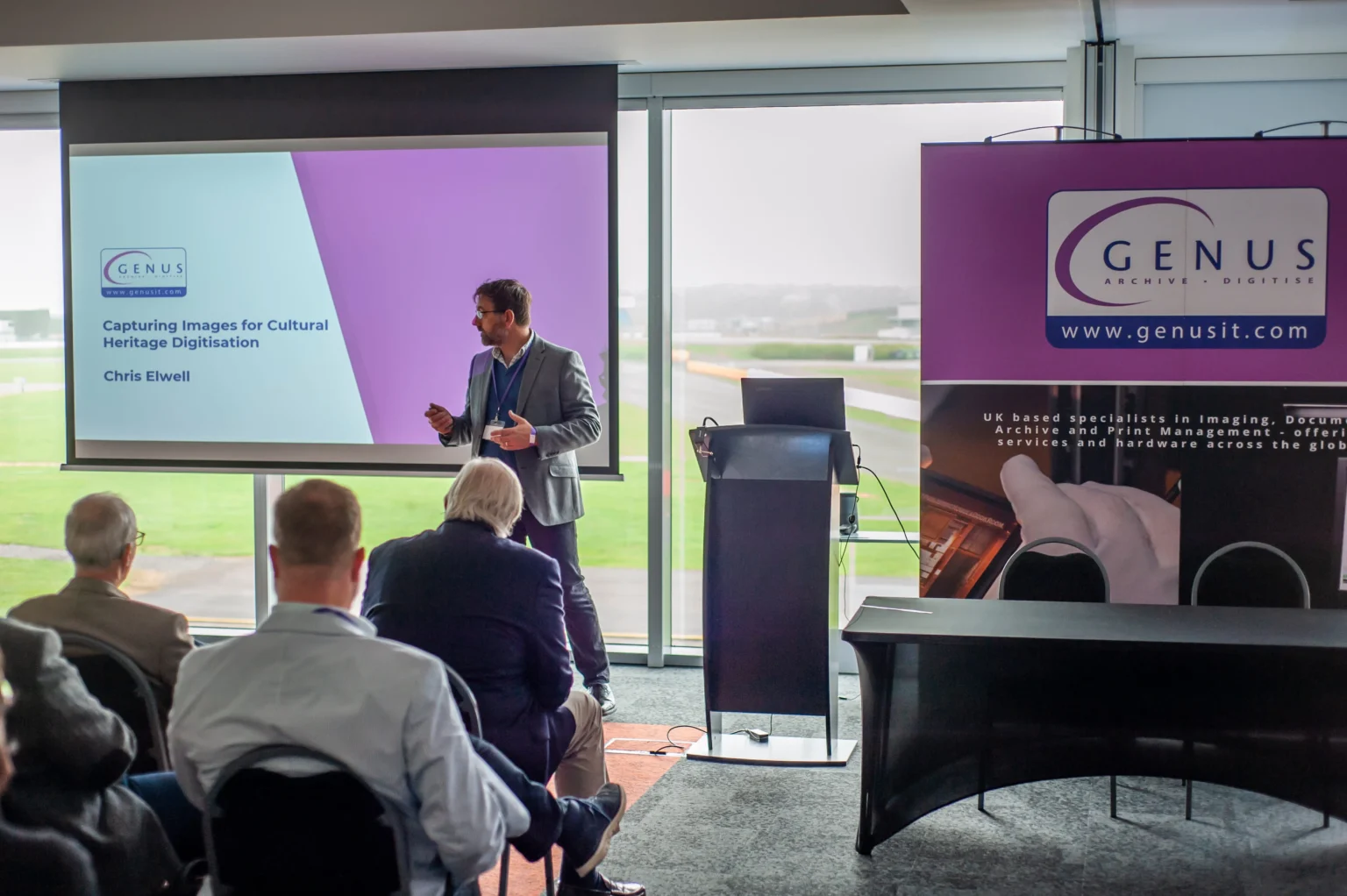
New Educational Open Days held in Nuneaton and Silverstone, offering our expertise in digitisation and microfilm to other Groups and supporting other businesses.
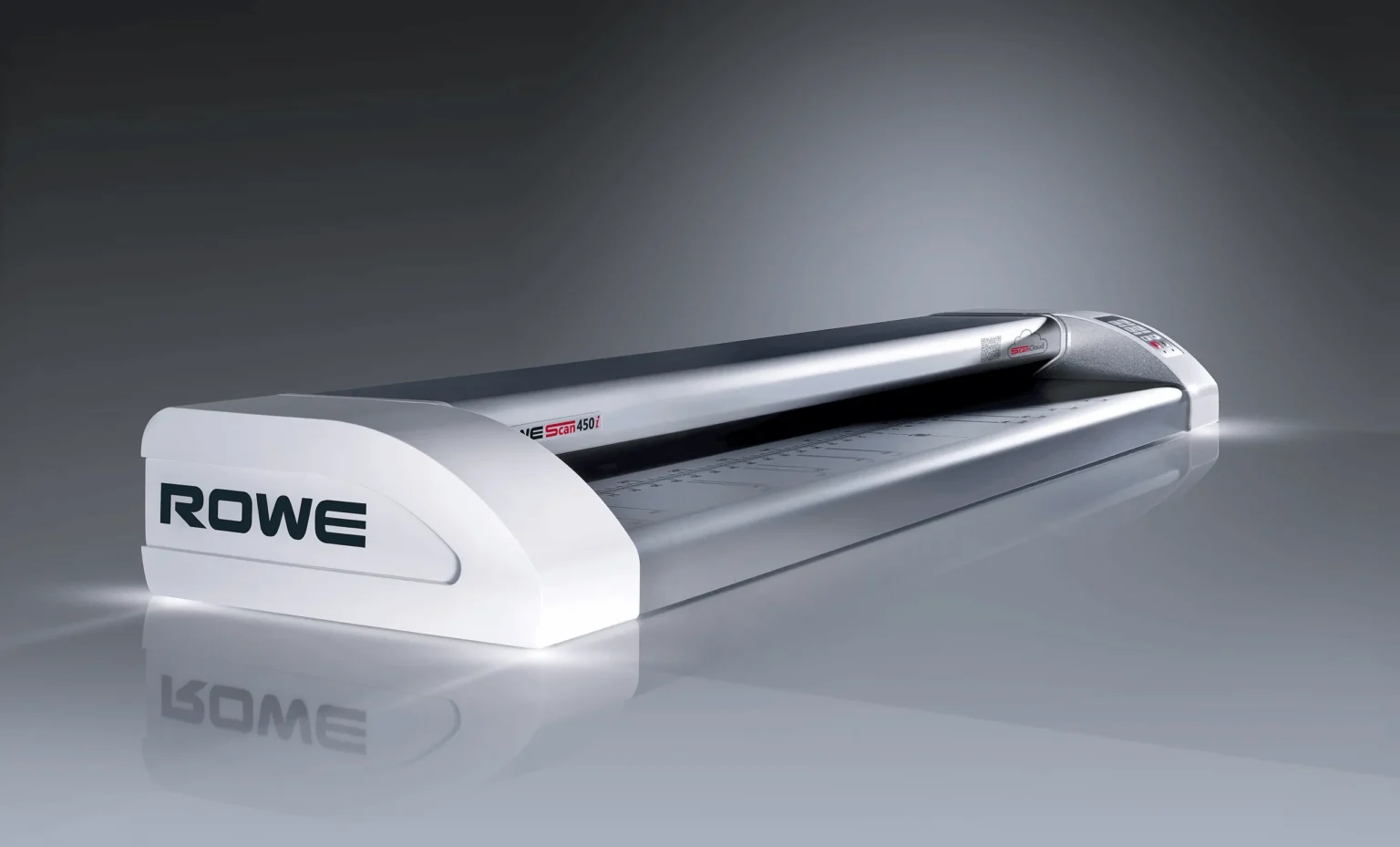
Genus launched cutting edge hardware Rowe large format scanners and Metis book scanners in the UK, as well as new software systems like Live-Docs content and document management.
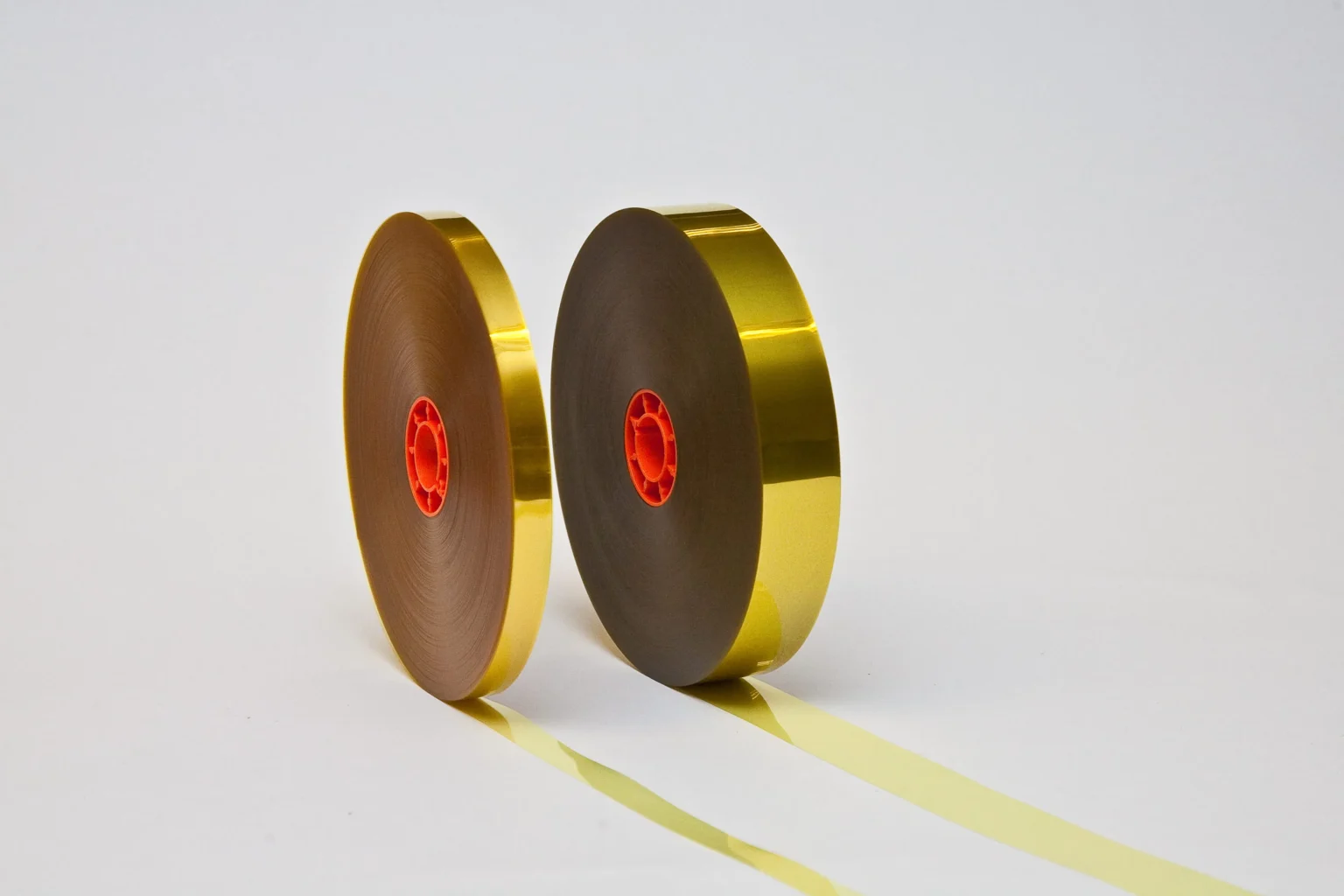
Genus began producing their own Diazo Film as well as implementing a new Enterprise Resource Planning system across all Companies within the J & J Negus Group
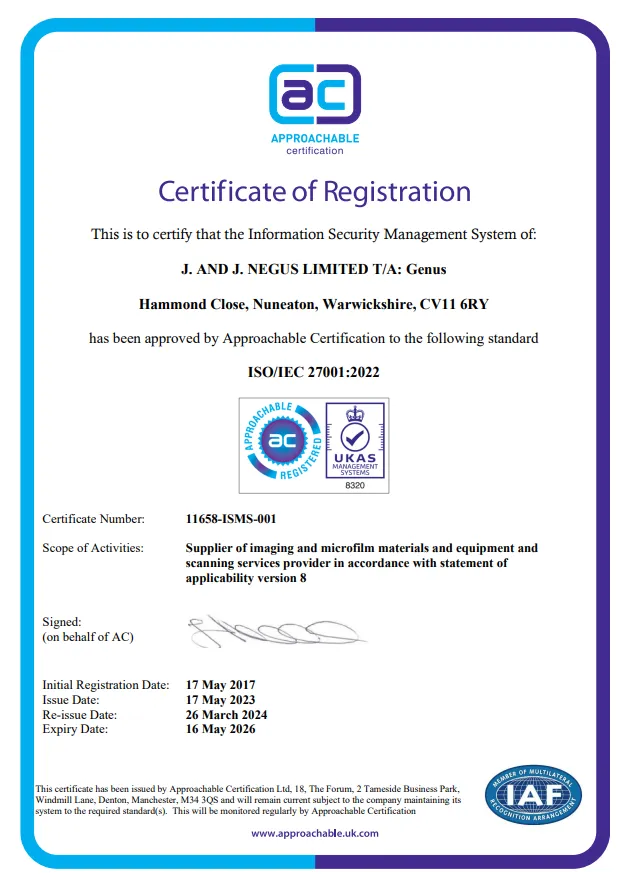
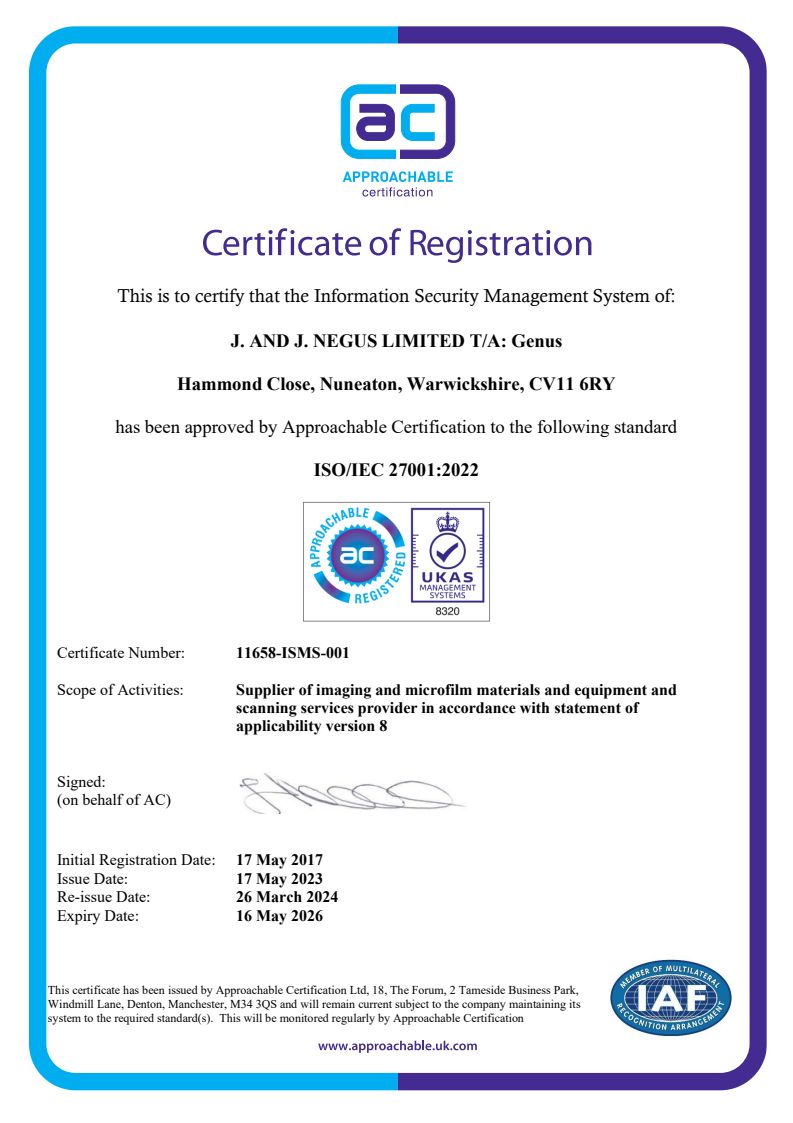
The increased demand for digitisation projects stimulated Genus to gain a certification to ISO 27001 for Information Security

The Goobi workflow management system is installed in the Genus Studios to manage scanning production workflows.
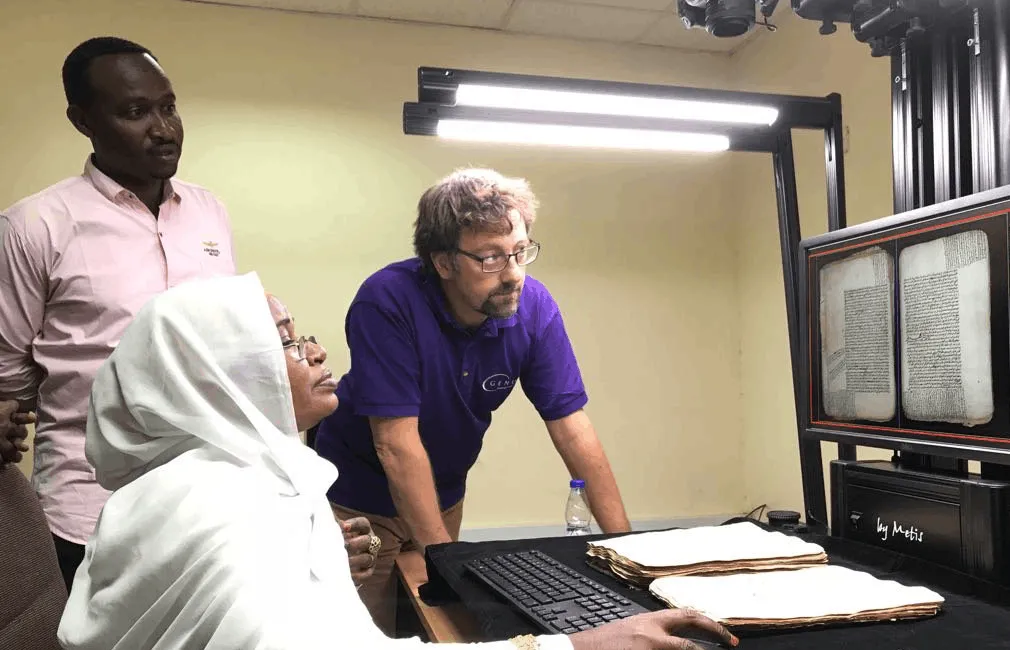
In collaboration with the Sudan Memory Project Chris Elwell and Simon Brown (Sales Manager) visit Sudan to supply a large amount of digitisation equipment and set up Imaging studios in their National Records Office and Khartoum University.
Genus becomes the exclusive UK distributor of Recollect community engagement software.
Three Generations Strong
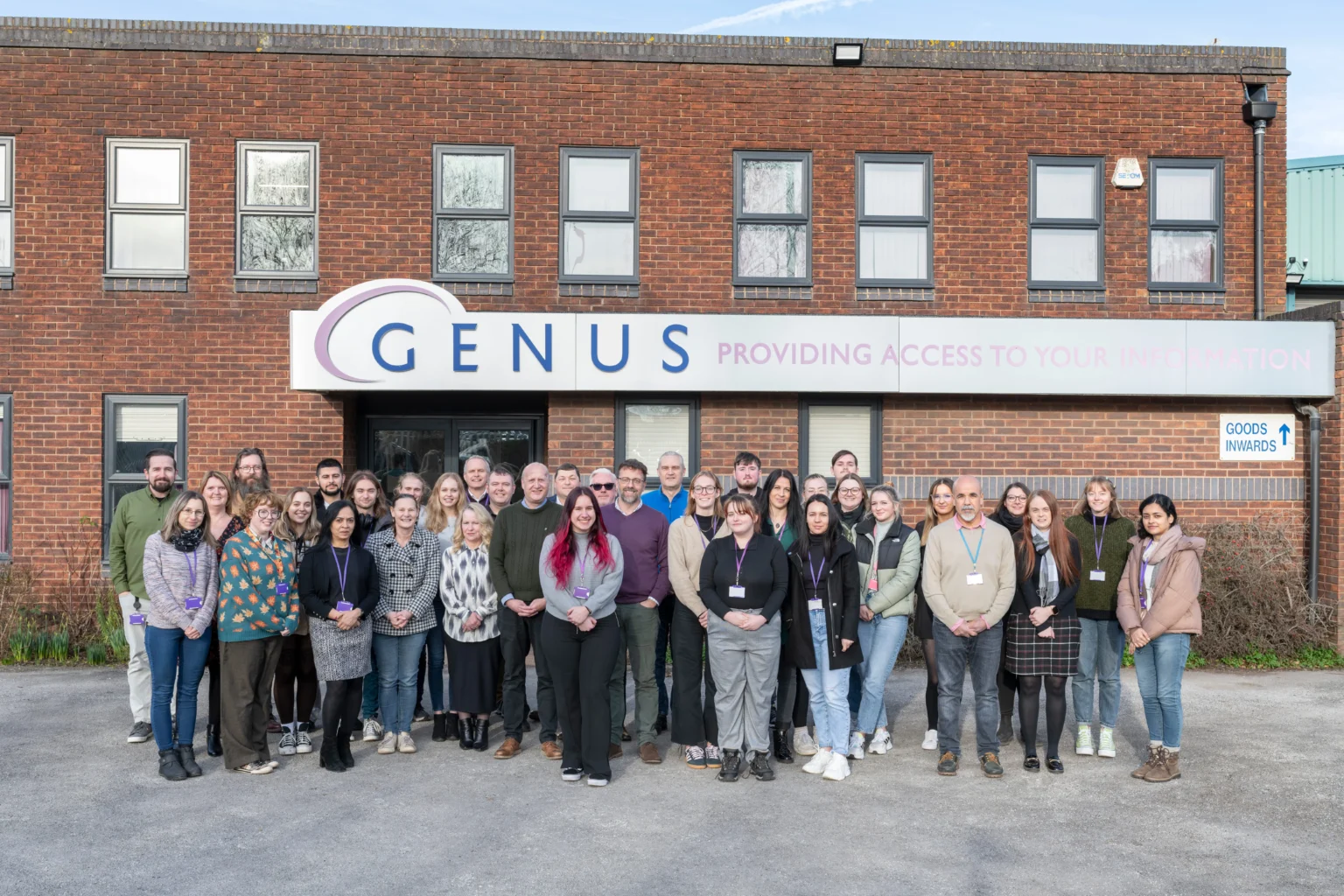
By 2020, Genus had grown to 50 staff, operating three digitisation studios and managing multiple major long-term digitisation contracts. The company had become a guiding voice in the world of archive preservation: both analogue, and digital. Committed to protecting history and sharing our expertise wherever it can make a difference.
The third generation of the family also became part of the story: Paul’s daughter Emily progressed into the ever-busy Sales Department while son Jack had become an operator in the warehouse, Sarah and Chris’ daughters Matilda and Isabella Elwell have both worked in the digitisation studios, with Isabella continuing to the marketing division where Sarah, once worked.
Beyond the family, the wider team, many of whom have been with Genus for decades and are family too, work with tireless enthusiasm and determination keeping Genus able to operate on the scale that it does.

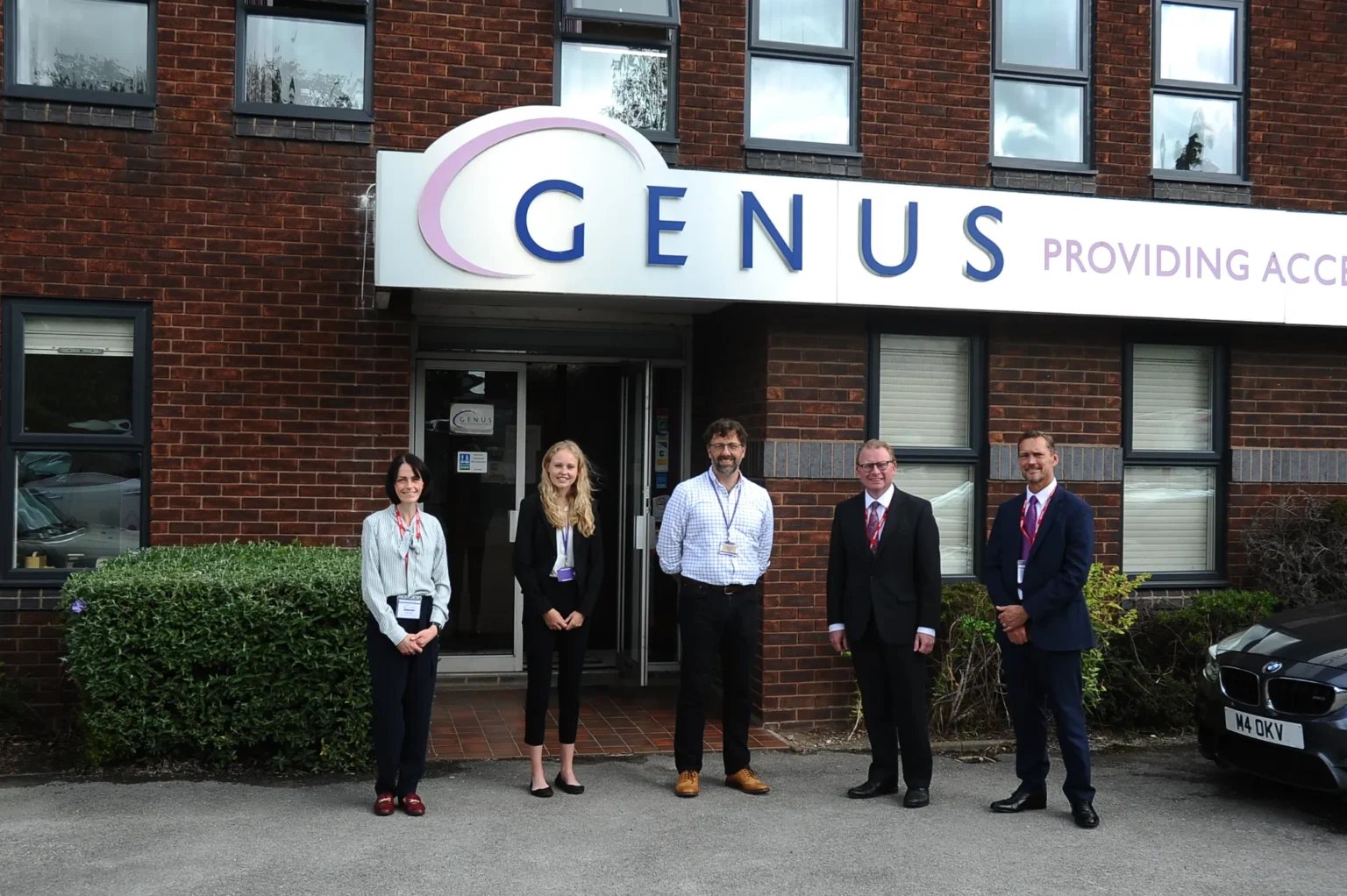
Local MP, Marcus Jones visits Genus, to congratulate our very own Emily Negus on starting her Business Management apprenticeship degree program.
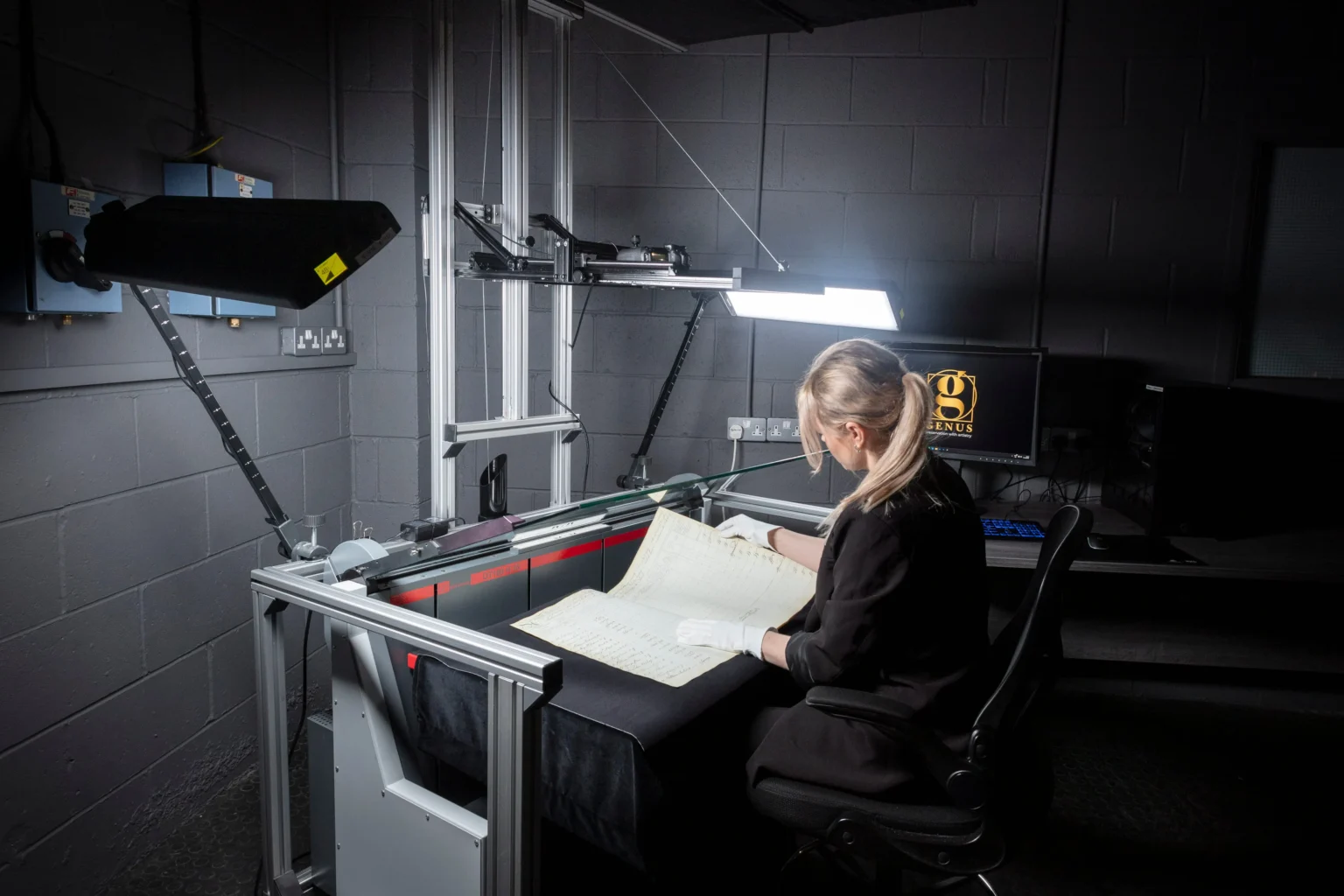
Construction and completion of our 4th digitisation studio.
Rachel Earp, Project leader, becomes our second member of staff to start an apprenticeship degree program specialising in Project Management.
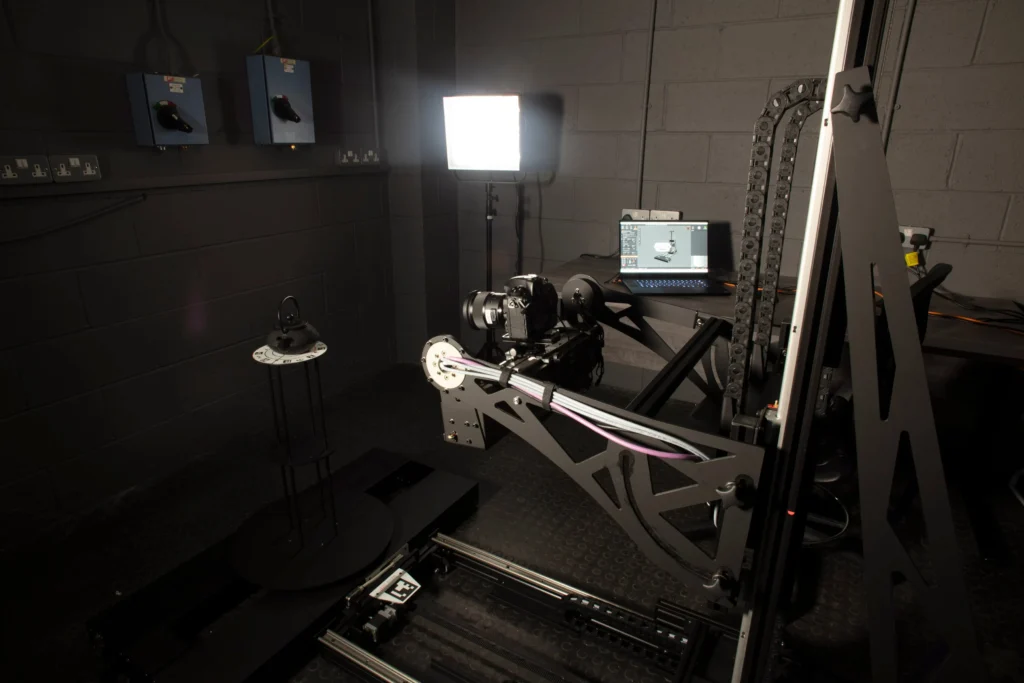
Genus Invested in the Arago 3D photogrammetry portable rig expanding our services of digitisation to the 3D realm. As museums embrace virtual visitor experiences, Genus can now support institutions by offering 3D photogrammetry models so that visitors can engage virtually from anywhere in the world.
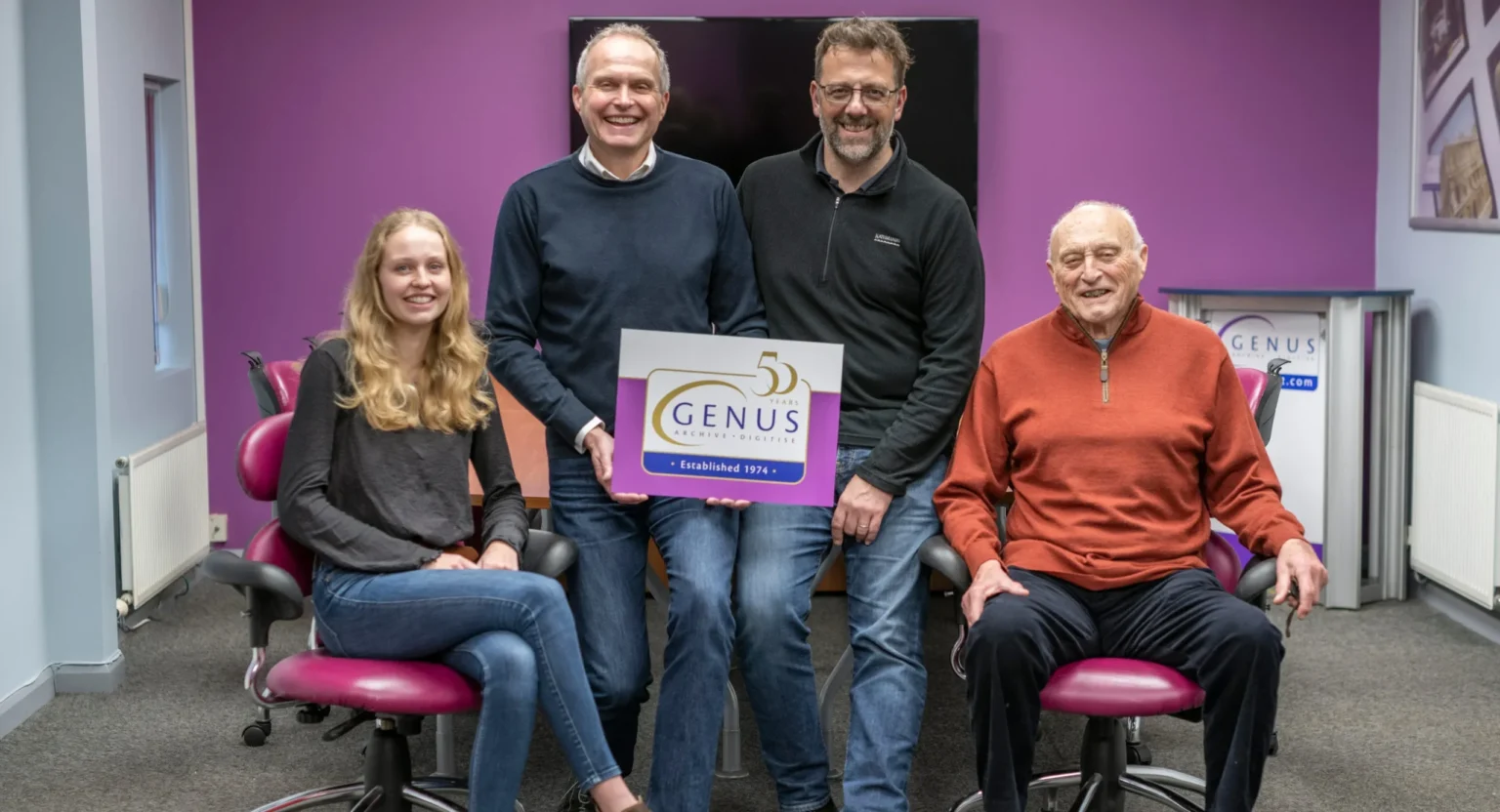
Genus celebrates our 50th anniversary, with 50 staff and 5000 customers over 60 different countries worldwide.
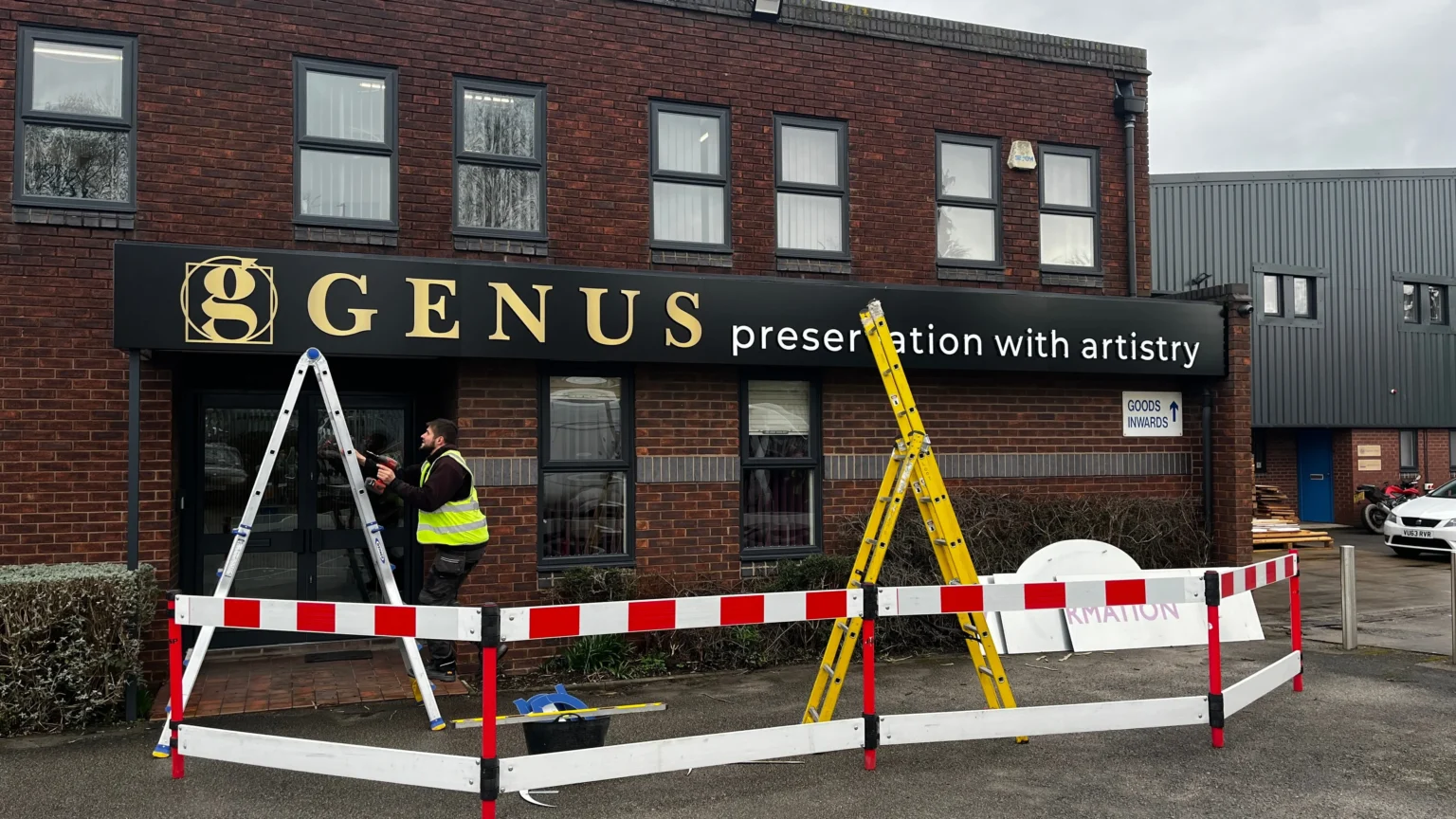
After 50 years of business Genus enters a new era of digitisation, undertaking a transformation to showcase our vision of how we will be preserving history in a passionate modern and artistic way. Setting our sights on the next fifty and beyond.
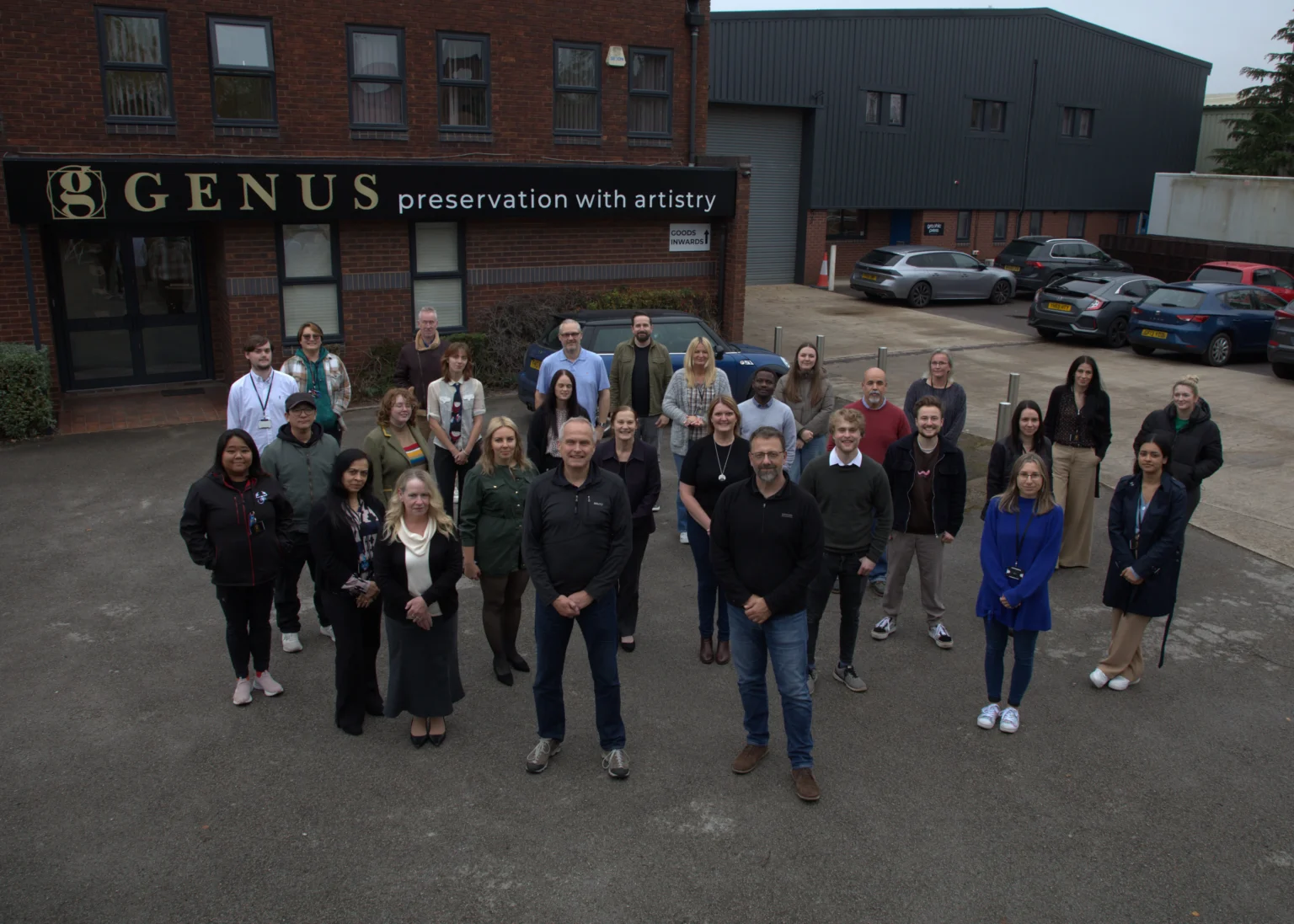
Today and Tomorrow
From a grassroots startup in the 1970s, Genus has now grown into a global leader in microfilm, digitisation, and archive preservation with 50 dedicated staff and over 5,000 customers across 60 countries, today we proudly stand at the forefront of an industry we helped to shape.
Our success rests on the same principles now as it did back in 1970: unwavering commitment to quality, reliability our customers can depend onand a culture of innovation that has always placed us ahead of the curve. Driven by the heart of family business, now three generations strong, those values will remain the foundation of everything we do.
Looking forward, our mission is clear – to provide trusted, cutting-edge solutions that help to preserve stories, collections and knowledge for generations to come. And we will do so with deep roots, dedicated people, and a vision that embraces both tradition and technology.
Our comprehensive services span the entire spectrum of preservation needs, from 2D and 3D digitisation and physical deep storage archiving to bespoke conservation consultancy and premium consumables. We also offer Heritage Photography, delivering high-quality imagery of valuable artefacts. This service captures culturally significant items with meticulous precision, allowing museums, archives, and collectors to preserve and present their collections in unmatched detail.
Whether cataloguing, storing, digitising, or photographing priceless collections, we embody da Vinci’s dedication to mastery, craftsmanship, and innovation. We empower our clients to honour the past while actively shaping the future of preservation.
- Make An Enquiry