
 The Challenge
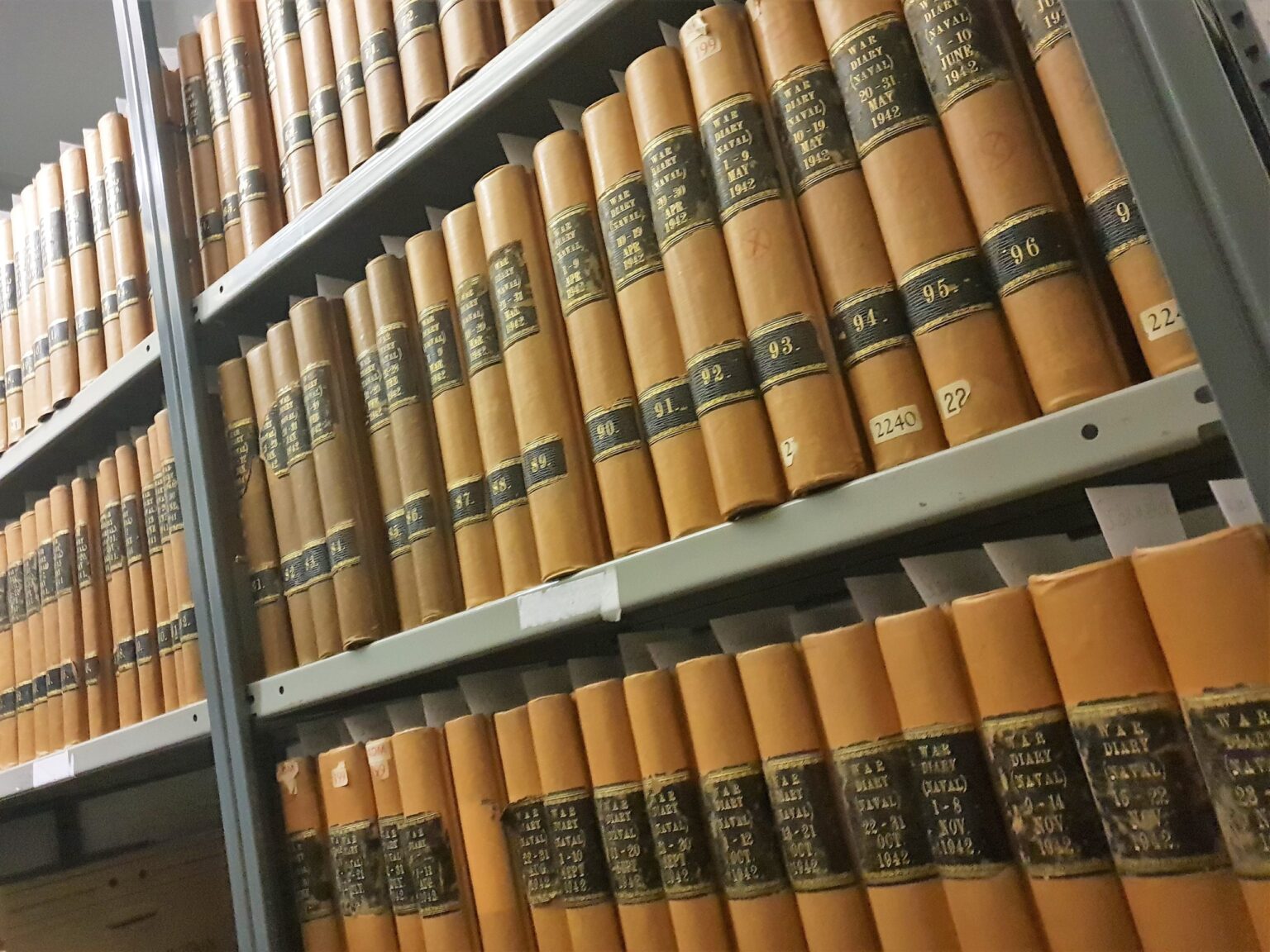
Within the archives of the Royal Navy’s Naval Historical Branch (NHB) lay one of the most significant records of Britain’s naval operations in the Second World War: the Admiralty Diary.
Spanning 204 bound volumes and over 60,000 pages, this daily log captures nearly seven years of naval activity across every theatre of the war, from Atlantic convoy battles to D-Day landings, Arctic supply runs, and operations in the Pacific. The diaries record not only battles but also the routine patrols, training, and repairs that kept the Navy functioning.
The format of the collection created serious preservation challenges. Each book was large, tightly bound, and produced on wartime paper that had grown brittle with age. Turning the pages risked tearing or breaking the spine, and repeated handling threatened to accelerate their deterioration. With only two surviving copies in existence, one at NHB Portsmouth and one at The National Archives in London, the material was both extremely rare and highly vulnerable.
Access was possible only by visiting in person, and even then, researchers had to handle the fragile originals directly, raising the risk of irreversible damage. The collection was too valuable to remain hidden, but also too delicate to be used.
The Naval Historical Branch turned to Genus to protect and unlock this vital archive.
The Solution
Genus was chosen for our experience, facilities, and track record with major heritage and defence organisations, including BAE Systems, the Royal Air Force Museum, and the Imperial War Museums.
Our approach combined secure logistics, advanced digitisation technology, and careful preservation techniques to bring the Admiralty Diary into the digital age.
First step – Secure Handling and Storage
- All 204 volumes were transferred from Portsmouth to our Nuneaton site using non-signwritten vans, ensuring security and discretion.
- Once on-site, the diaries were catalogued and stored in climate-controlled facilities to safeguard them throughout the project.
Second step – Specialist Digitisation
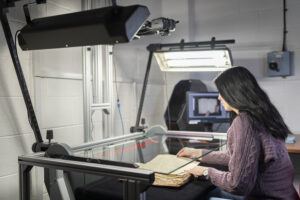
- Each volume was digitised using an advanced camera system with a Zeutschel book cradle, designed specifically for fragile heritage collections.
- The cradle supported the bindings while an adjustable glass plate held pages flat, minimising handling and eliminating page curl.
- High-resolution images were captured as uncompressed TIFF files, creating archival masters of the highest clarity.
Third step – Workflow and Processing
- Files entered our Goobi Workflow software, which automated cropping, deskewing, page splitting, and consistent border application.
- This ensured a uniform, professional presentation across tens of thousands of pages.
- Metadata and file naming followed an agreed specification, and the system allowed NHB to monitor progress in real time.
Final step – Searchability and Access
- Using OCR (Optical Character Recognition), we converted the diary into a fully searchable digital archive.
- Users can now locate specific events, ships, or operations in minutes, rather than combing through thousands of pages by hand.
The Results
The Admiralty Diary has now been transformed from a fragile physical relic into a durable, accessible resource.
-
Preservation
The original diaries are protected from further wear, while high-quality digital masters ensure long-term security.
-
Accessibility
Historians, researchers, genealogists, and the public can now explore the collection without restricted access.
-
Efficiency
Searchable text makes research dramatically faster and more effective.
-
Legacy
A once-hidden archive of Britain’s naval story is now open to the world, ensuring future generations can study and learn from it.
The Admiralty Diary now serves as both a preserved heritage collection and a working research tool for the Ministry of Defence and the wider historical community.
Christine Harper of the Royal Navy Historical Branch described the significance of the work:
‘’The Genus staff have been very accommodating during this lengthy process. Their understanding of the nature and rarity of the volumes helped immensely from the safe collection of all the volumes, subsequent handling and storage and, the digitised and OCR’d documents that arrived on their own hard drive. Releasing valuable and rare documents from the clutches of their protective custodians is often difficult but the staff at Genus understood the misgivings of my colleagues and fears were put to rest.”
Christine Harper – Royal Navy Historical Branch
A Bright Future
This project demonstrates how Genus combines expertise, technology, and care to deliver more than just digitisation. For the Royal Navy, it meant protecting a one-of-a-kind historical resource while making it accessible and useful to today’s researchers.
The Admiralty Diary is no longer confined to the shelves. It now lives on as a searchable, accessible, and enduring record of naval history, secured for generations to come.
