Among the many digitisation projects undertaken by Genus, microfilm continues to hold a particular place in the company’s story.
As explored in “Back to the future: Using Microfilm and Digital Archiving to better Protect Our Past”, microfilm has played a significant role in shaping the organisation’s history and expertise. When Trevor Ray of ASM Data Core donated a 1940s microfilm reader for restoration, it offered a rare opportunity to bring an important piece of archival technology back to life.
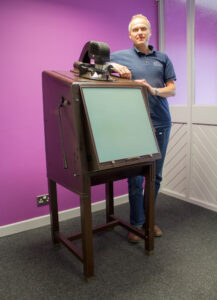
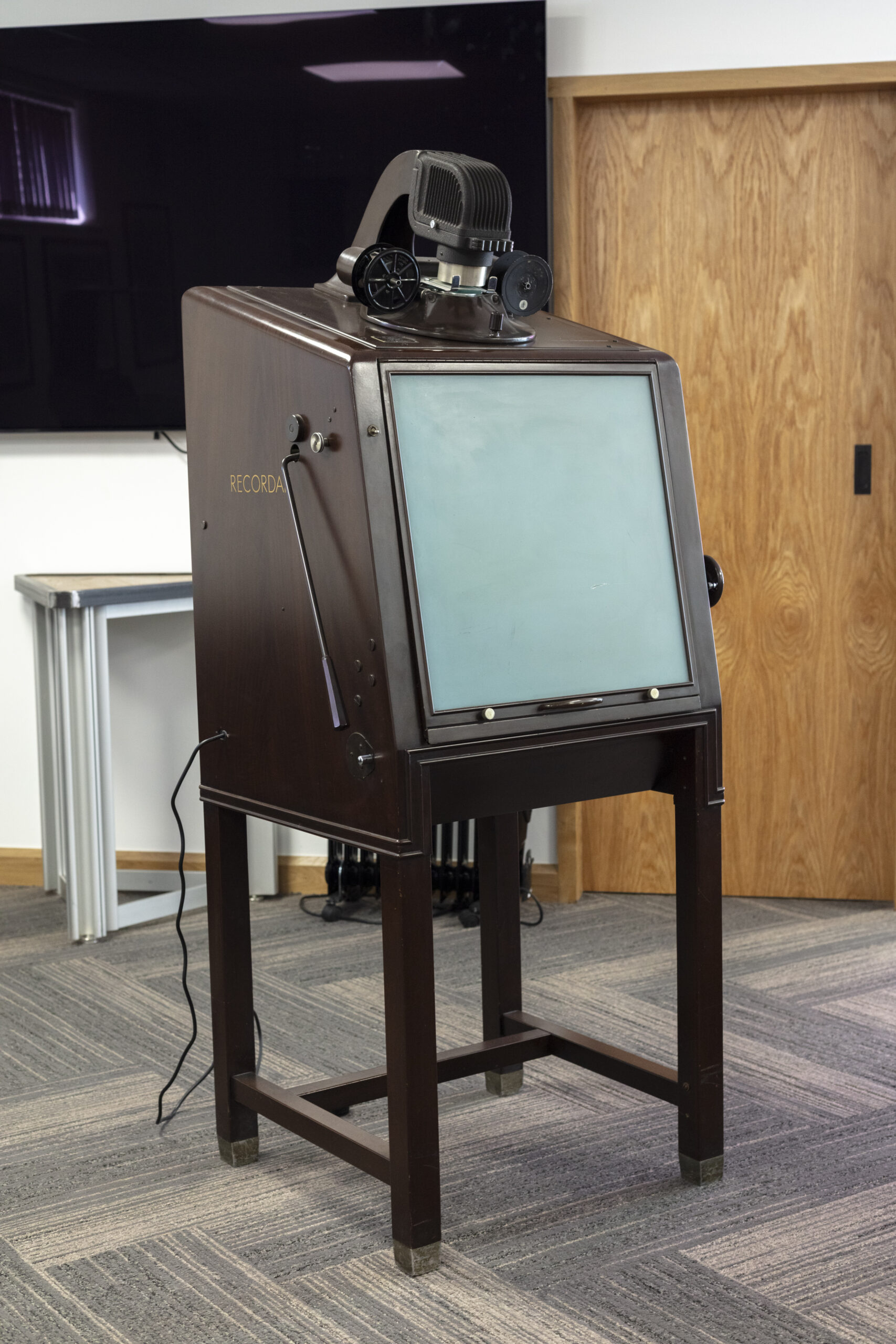
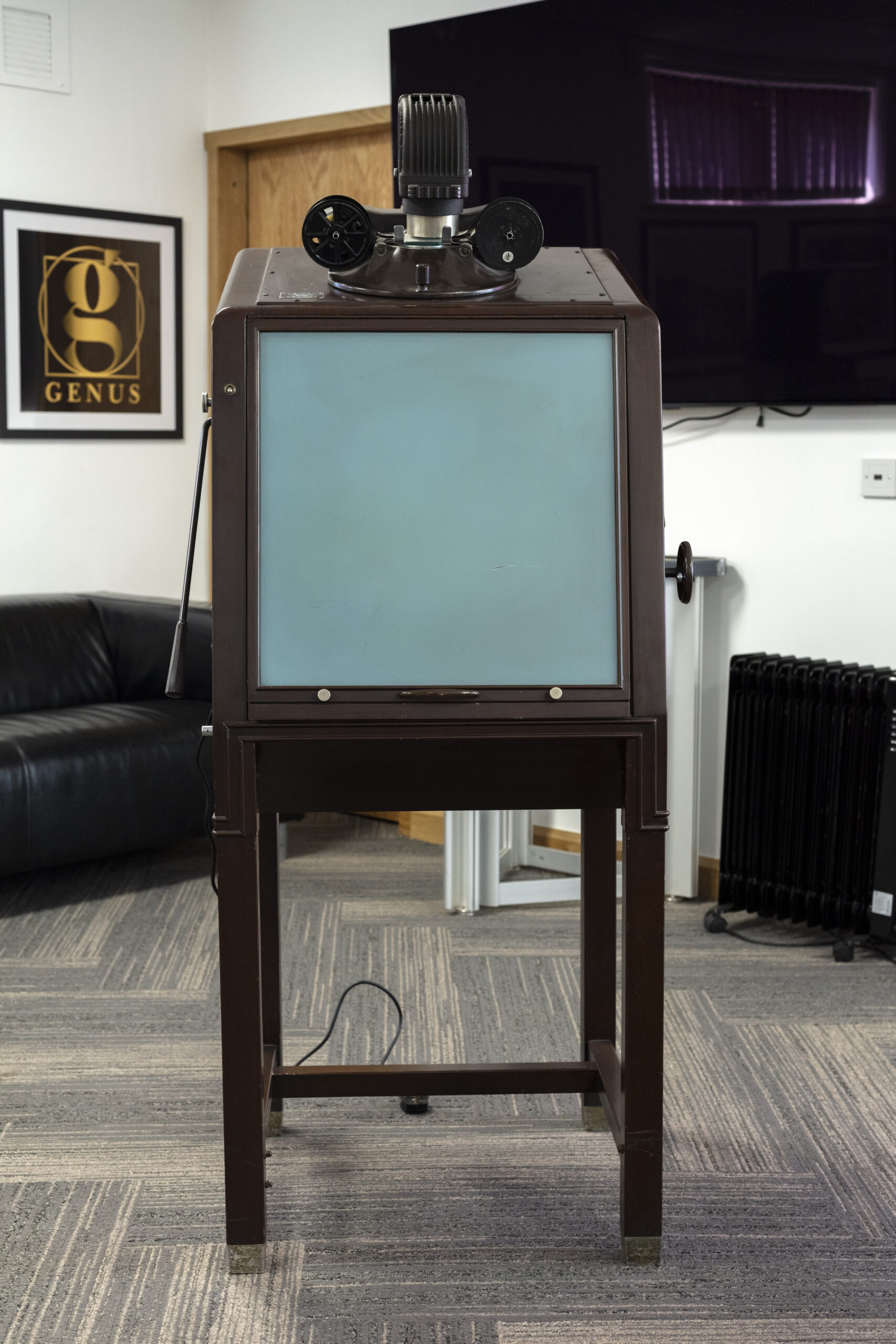
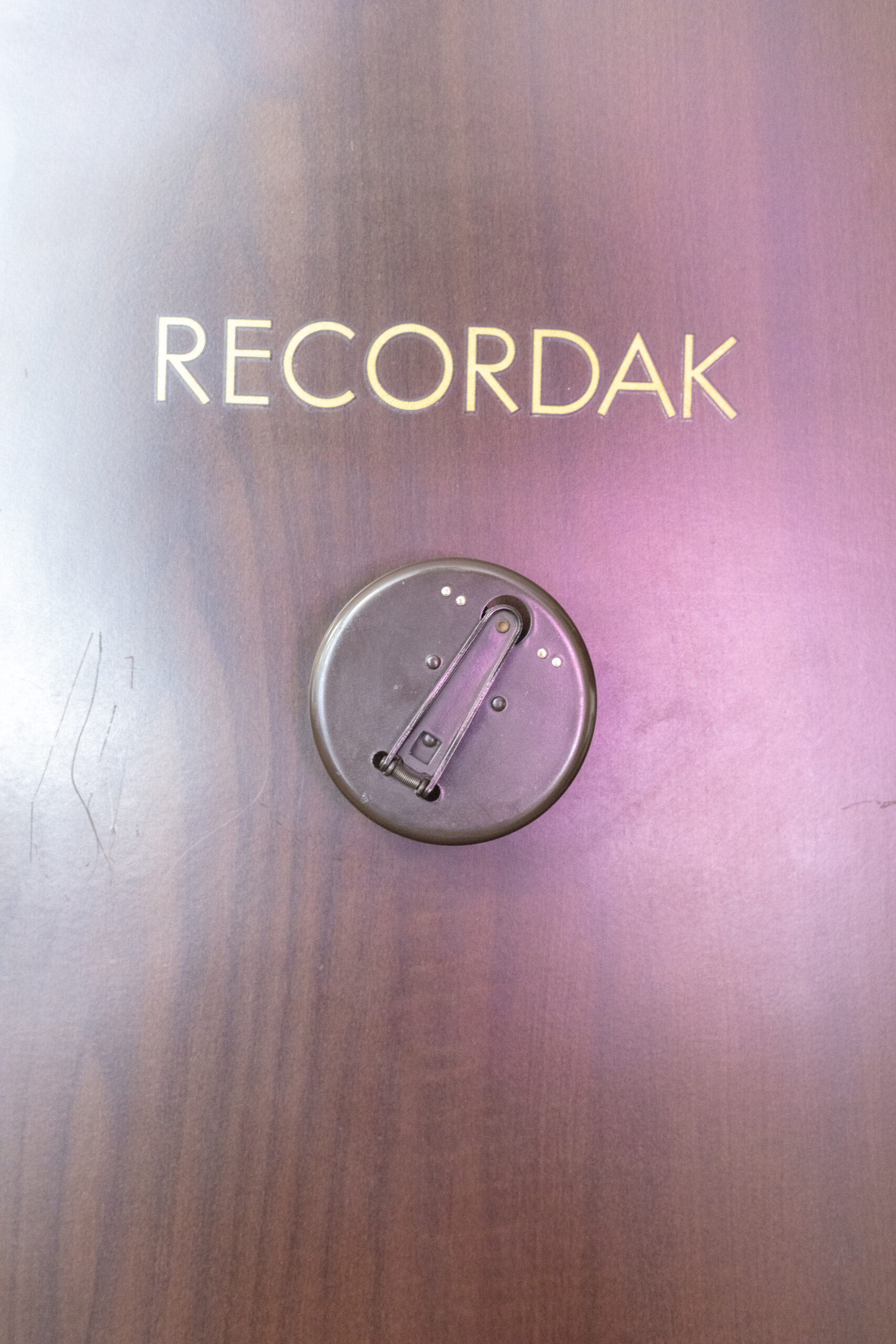
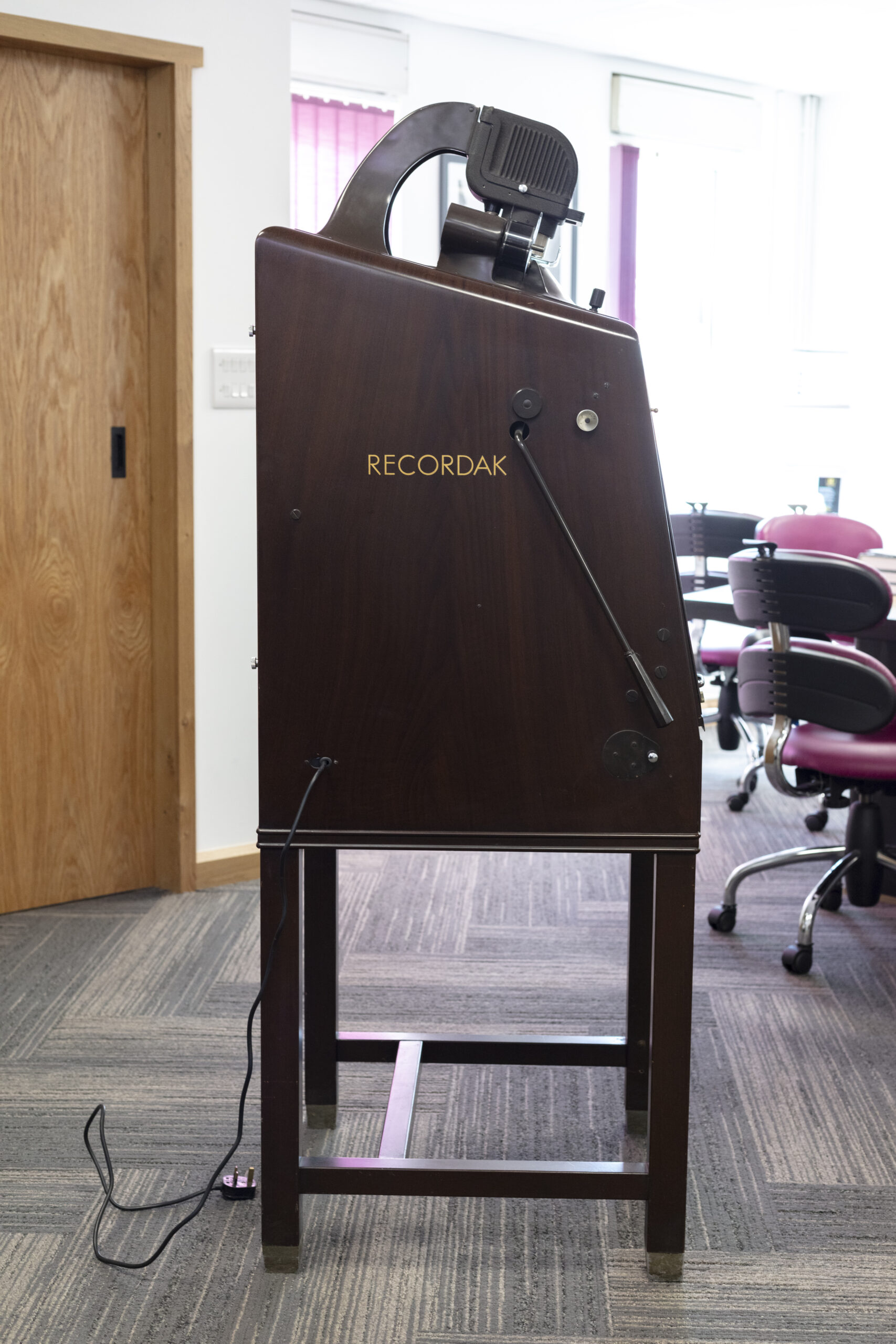
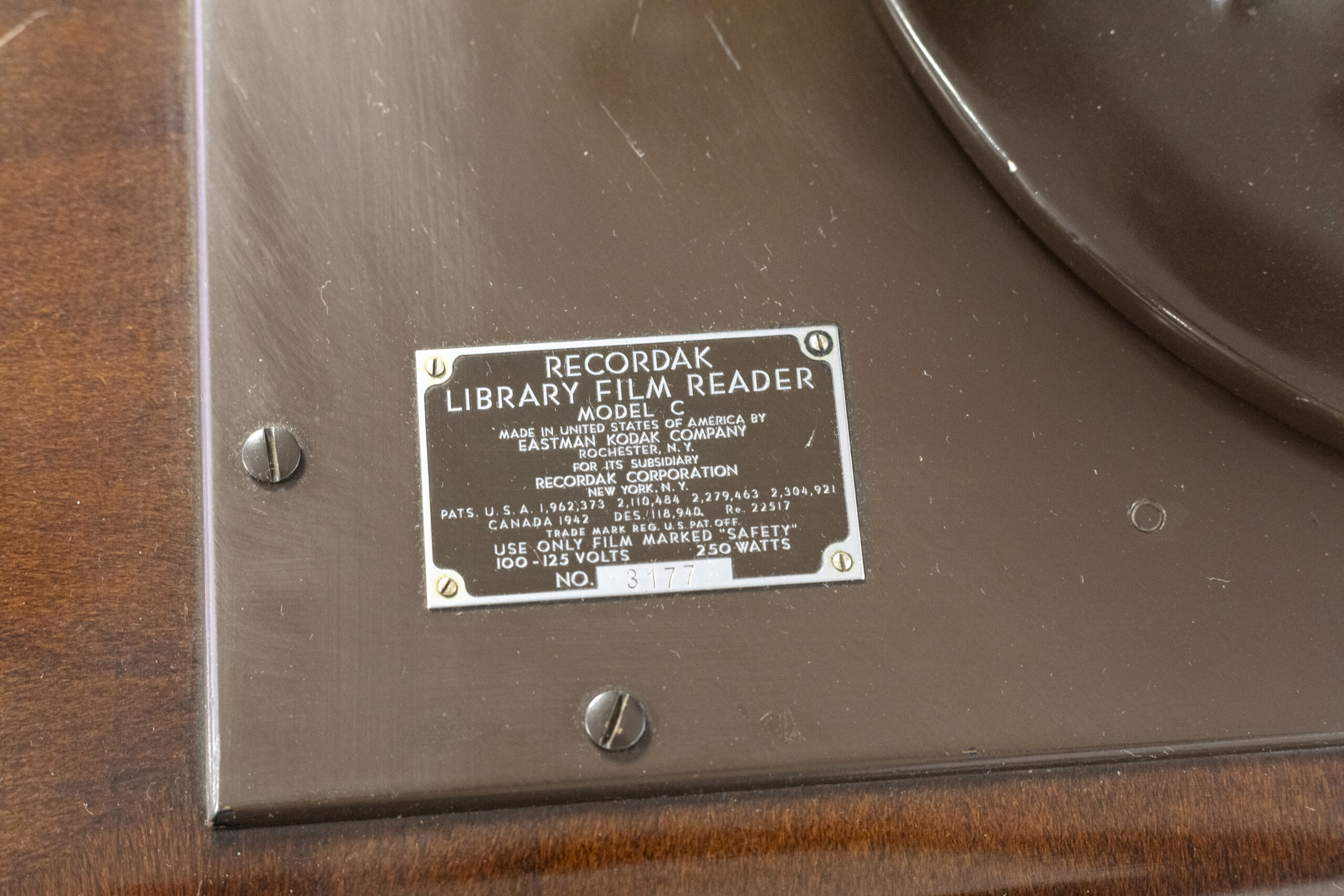
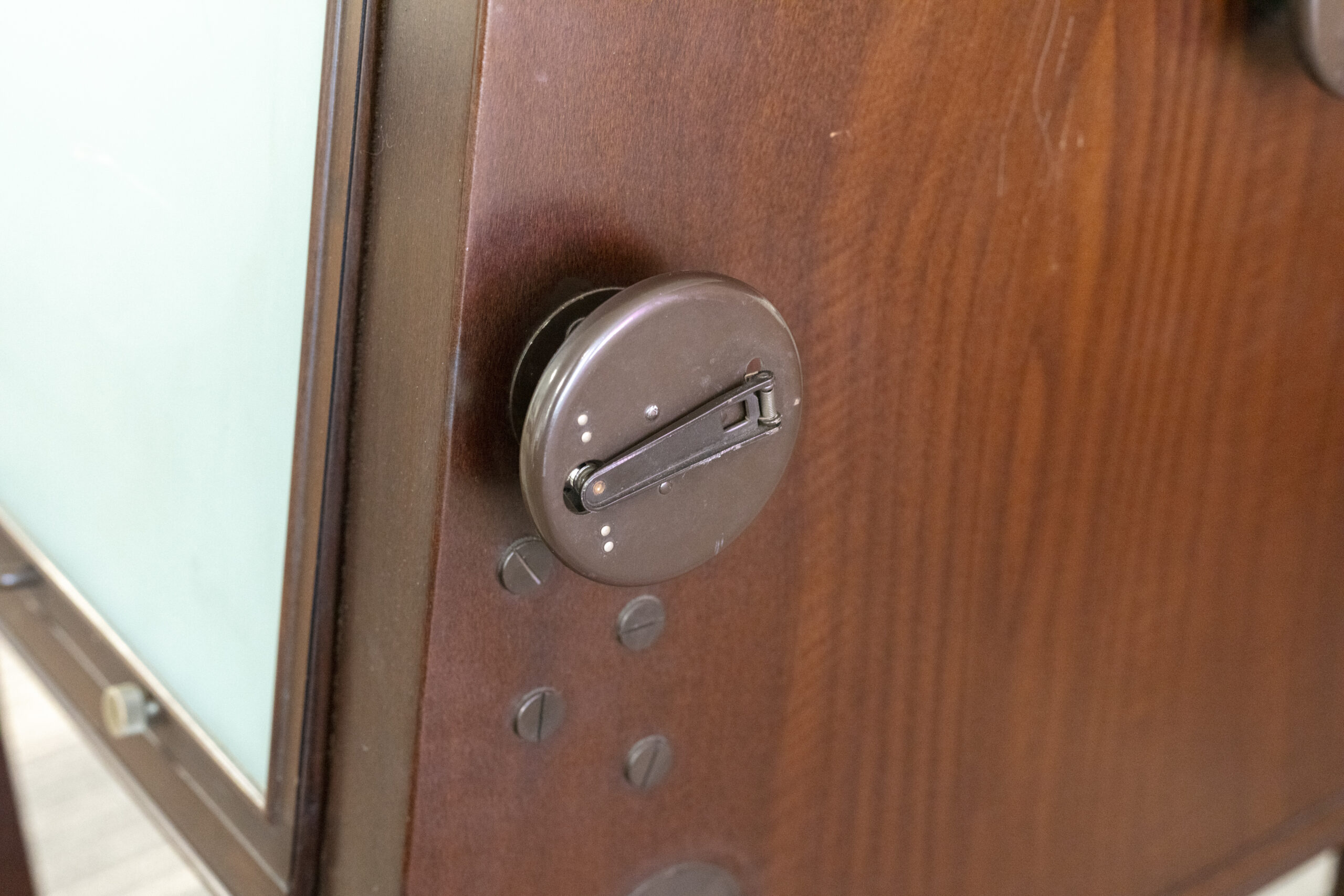
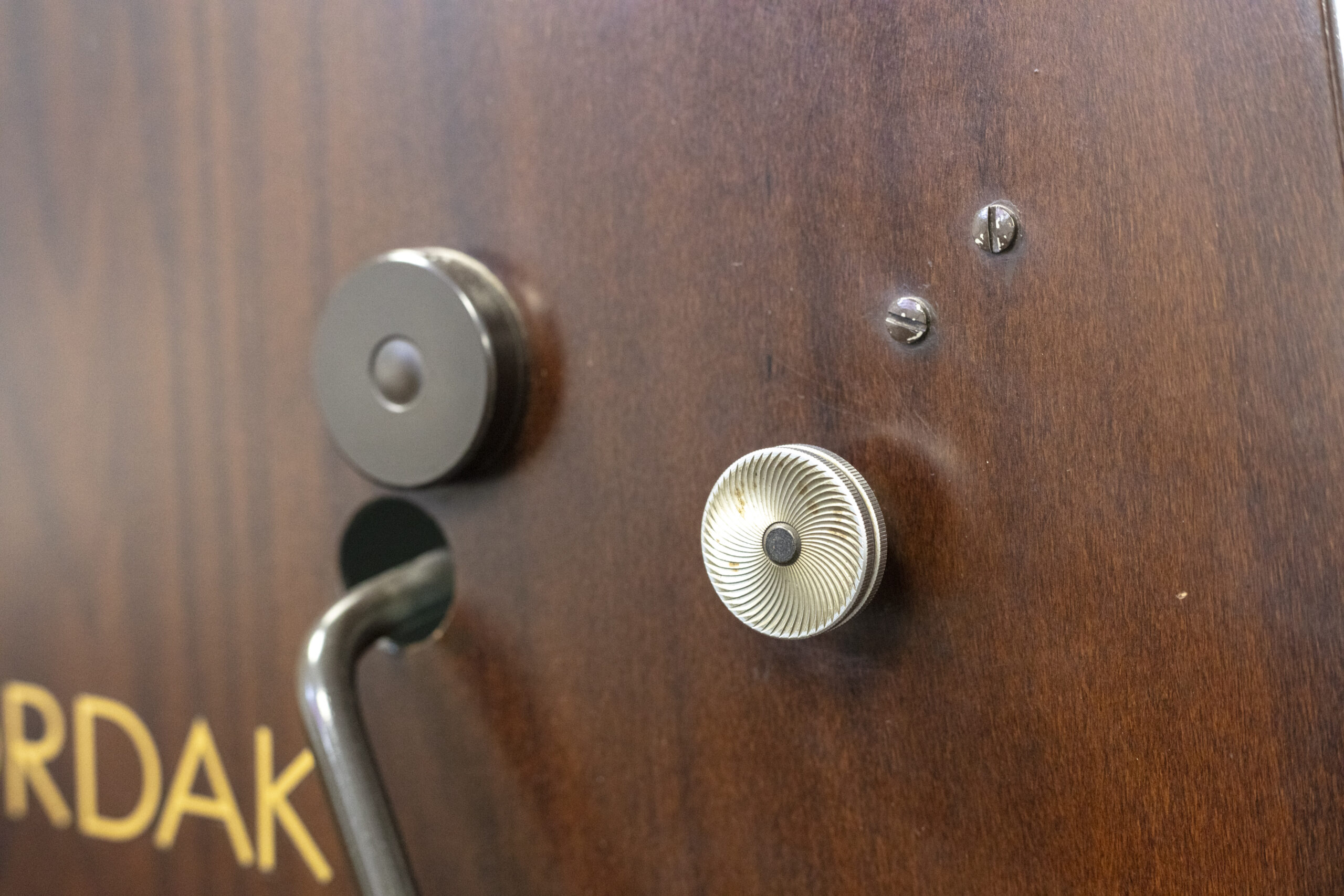
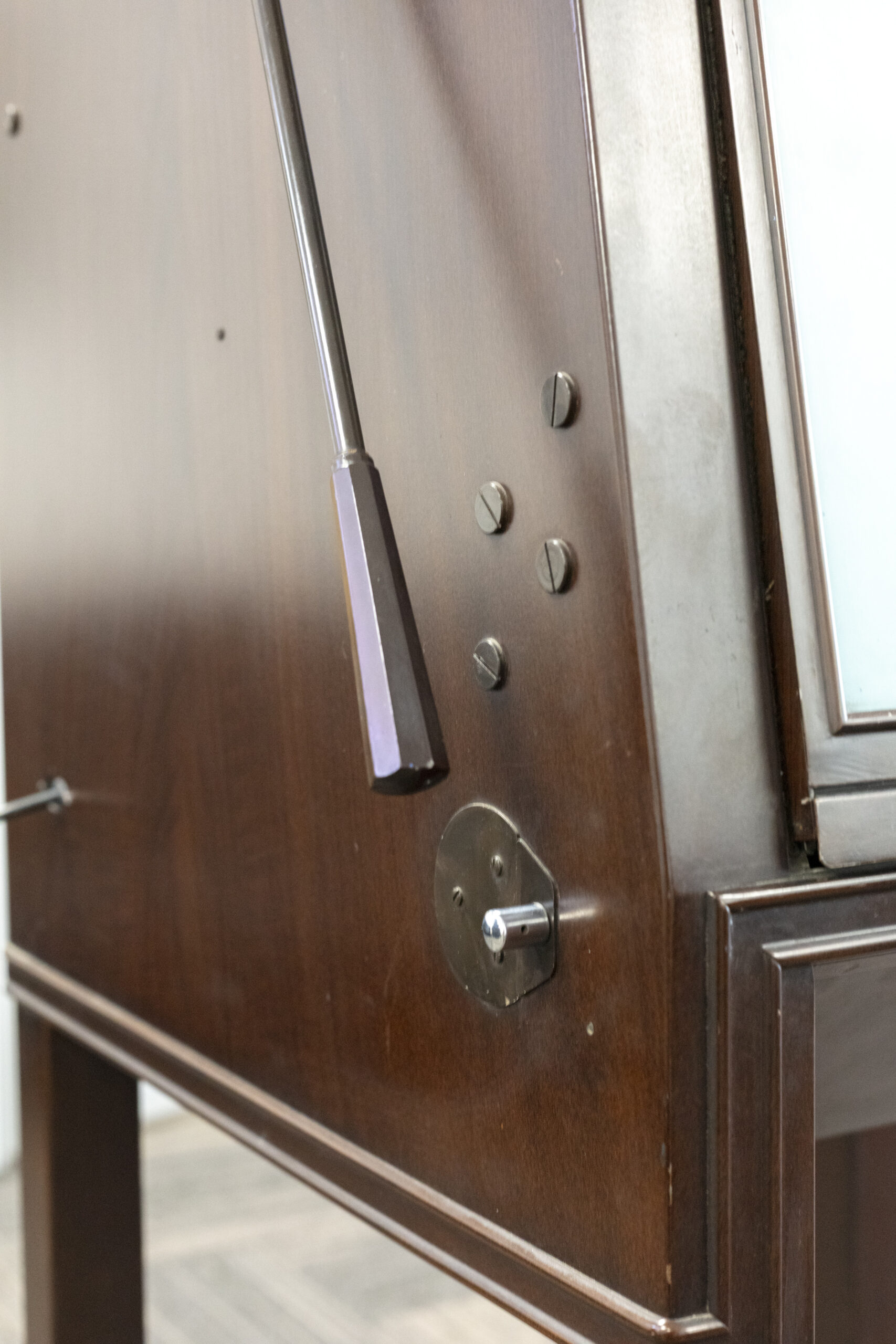
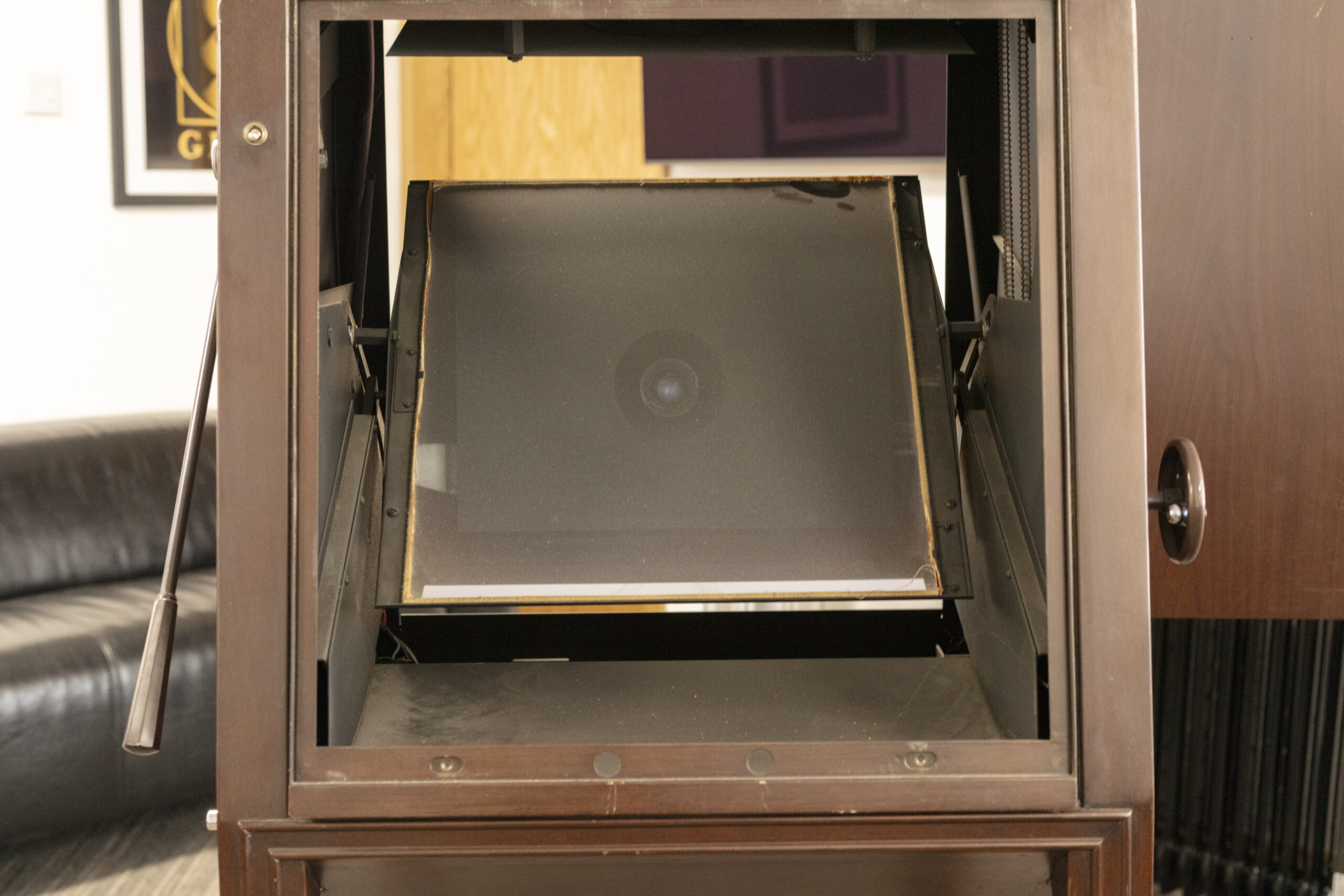
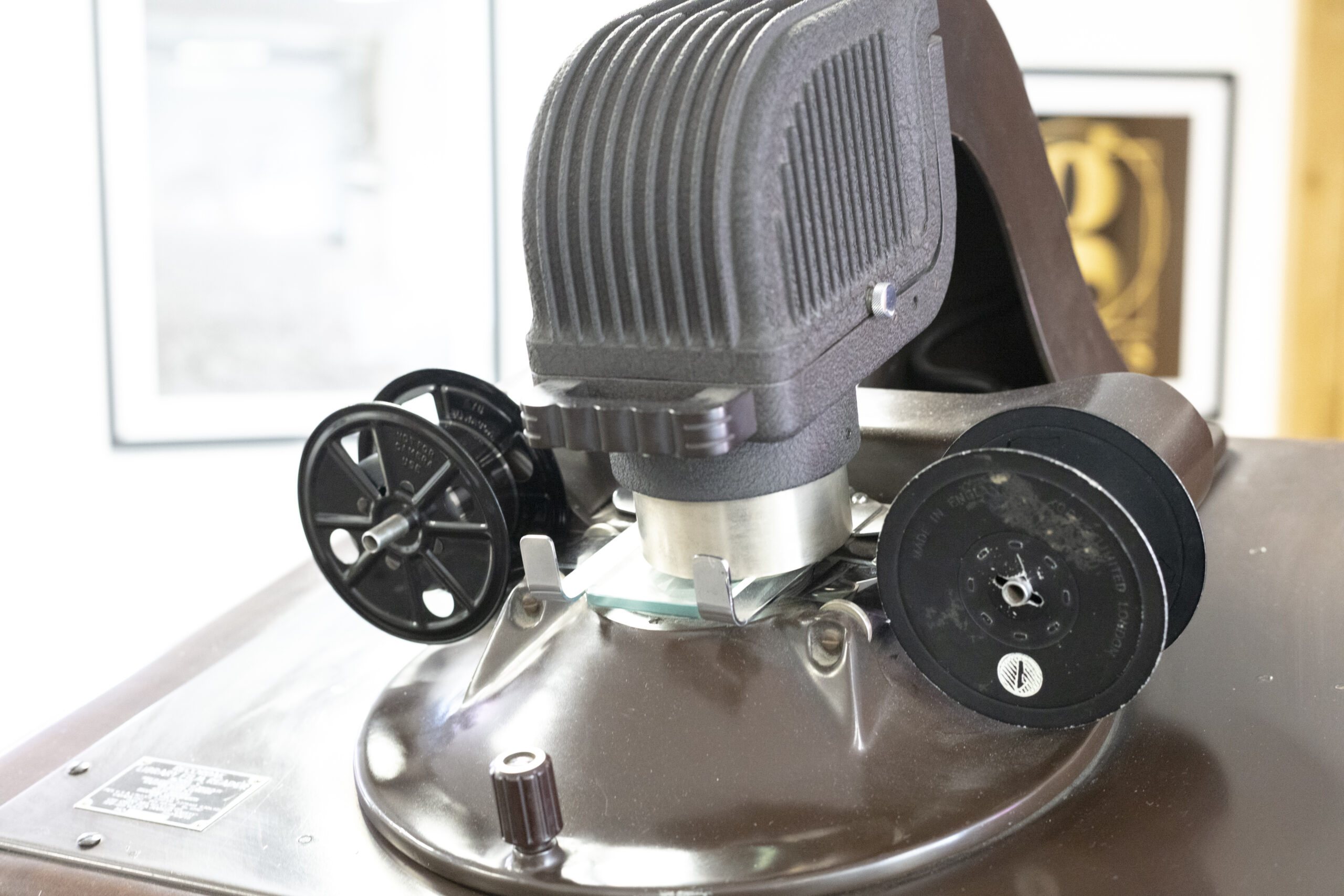
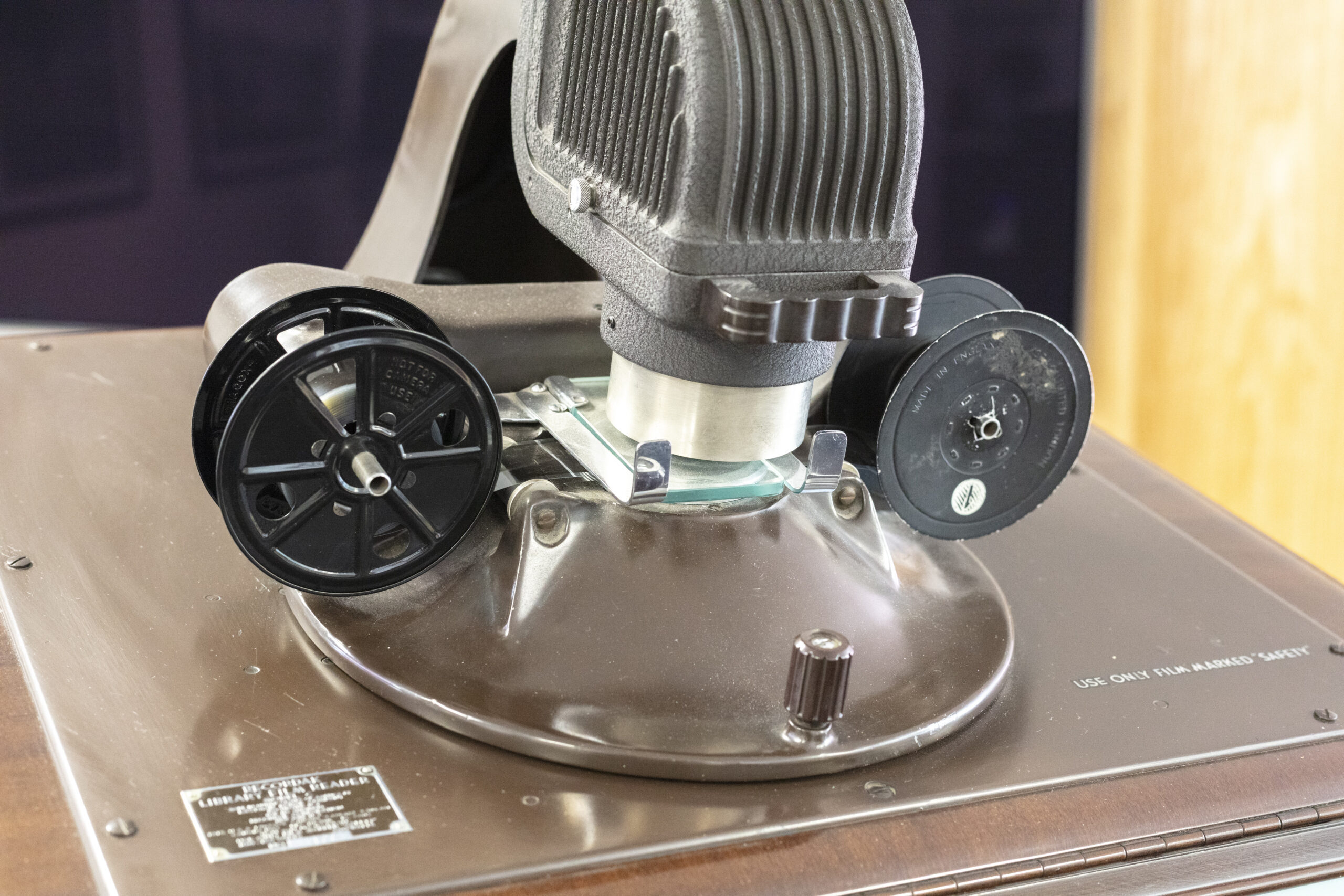
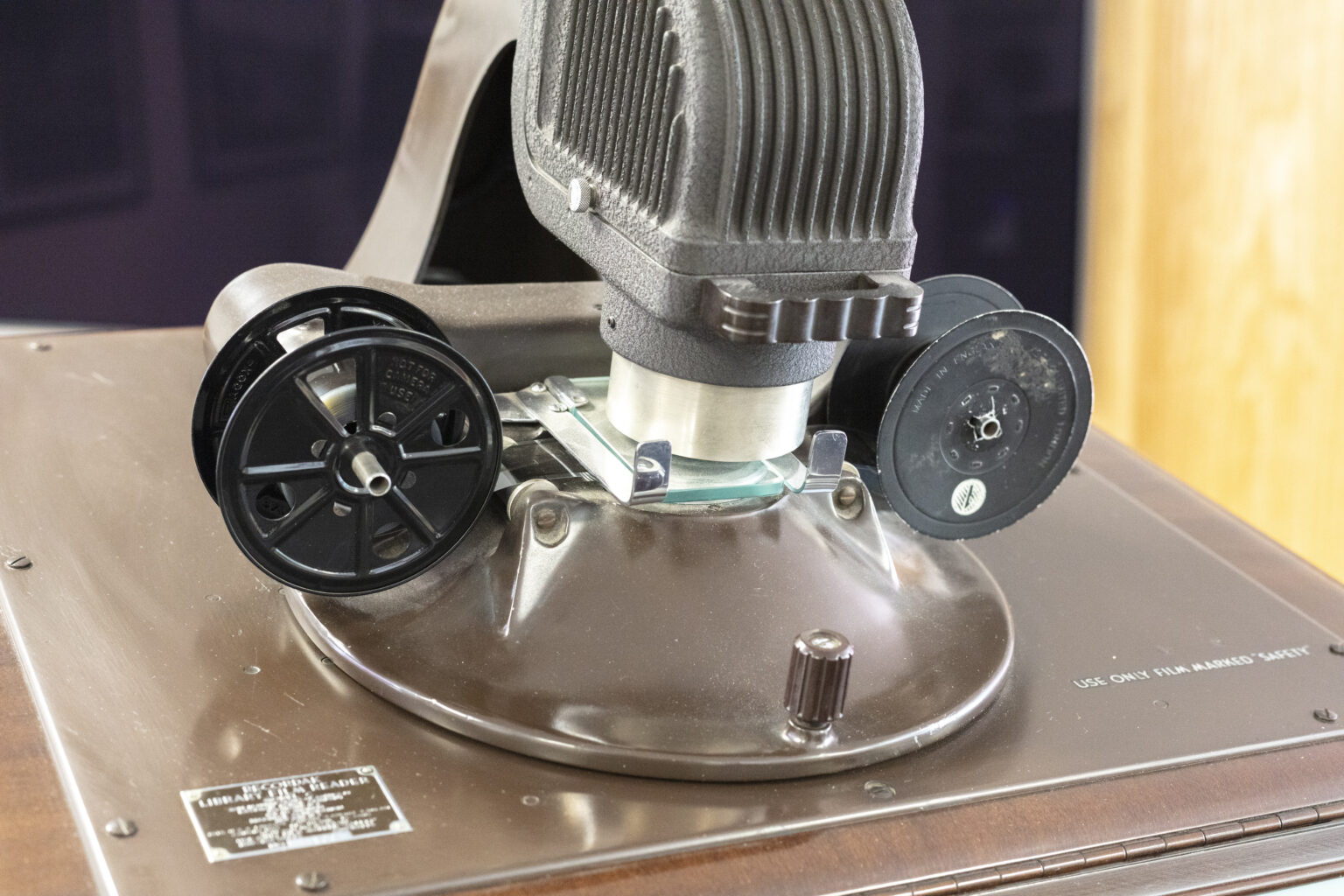
The machine, a Recordak Library Film Reader (Model C), dates from the 1940s and carries with it the character of an era when microfilm was an essential tool for storing, transporting and reading information. Research suggests that models of this kind may have been used in the United States during the Second World War by the OSS (Office of Strategic Services) to read microfilm sent from overseas bases. The OSS, the United States’ wartime intelligence agency and a forerunner of today’s Central Intelligence Agency (CIA), coordinated espionage activity behind enemy lines for the US Armed Forces.
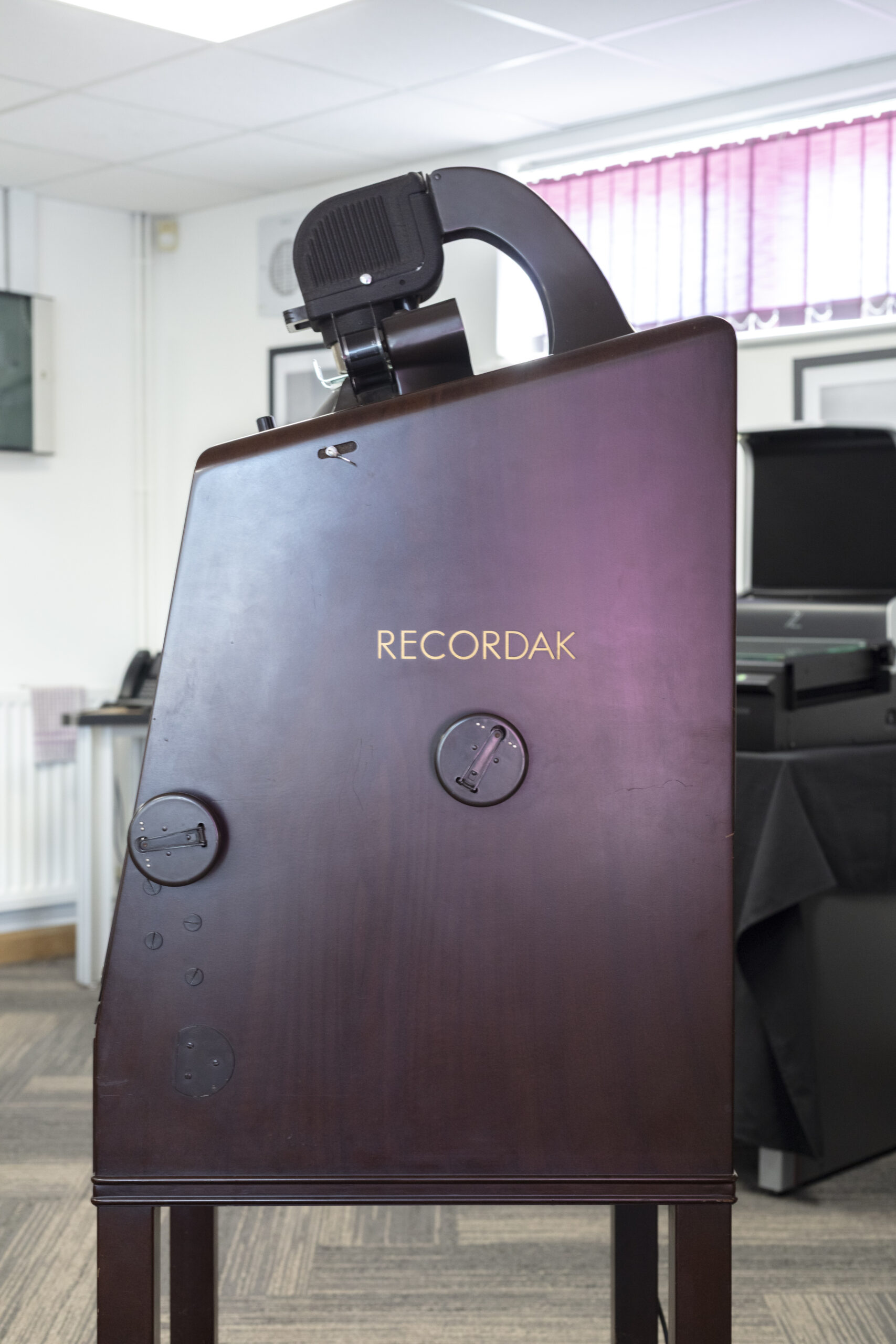
On arrival at the office, the reader quickly became a point of interest. Its distinctive design immediately reflected its wartime-era origins, while the unanswered questions surrounding its past gave the machine an added sense of intrigue. Its route to the UK remains unclear, as does whether readers of this type were ever commonly used here during the war.
Information about this particular model is limited, which makes its history all the more compelling. Genus works with archives, museums and collections of many kinds, and insight from those who have encountered similar equipment could help build a fuller picture of the reader’s origins and journey. Anyone with knowledge of this model, or with comparable examples in their own collection, is invited to share what they know.
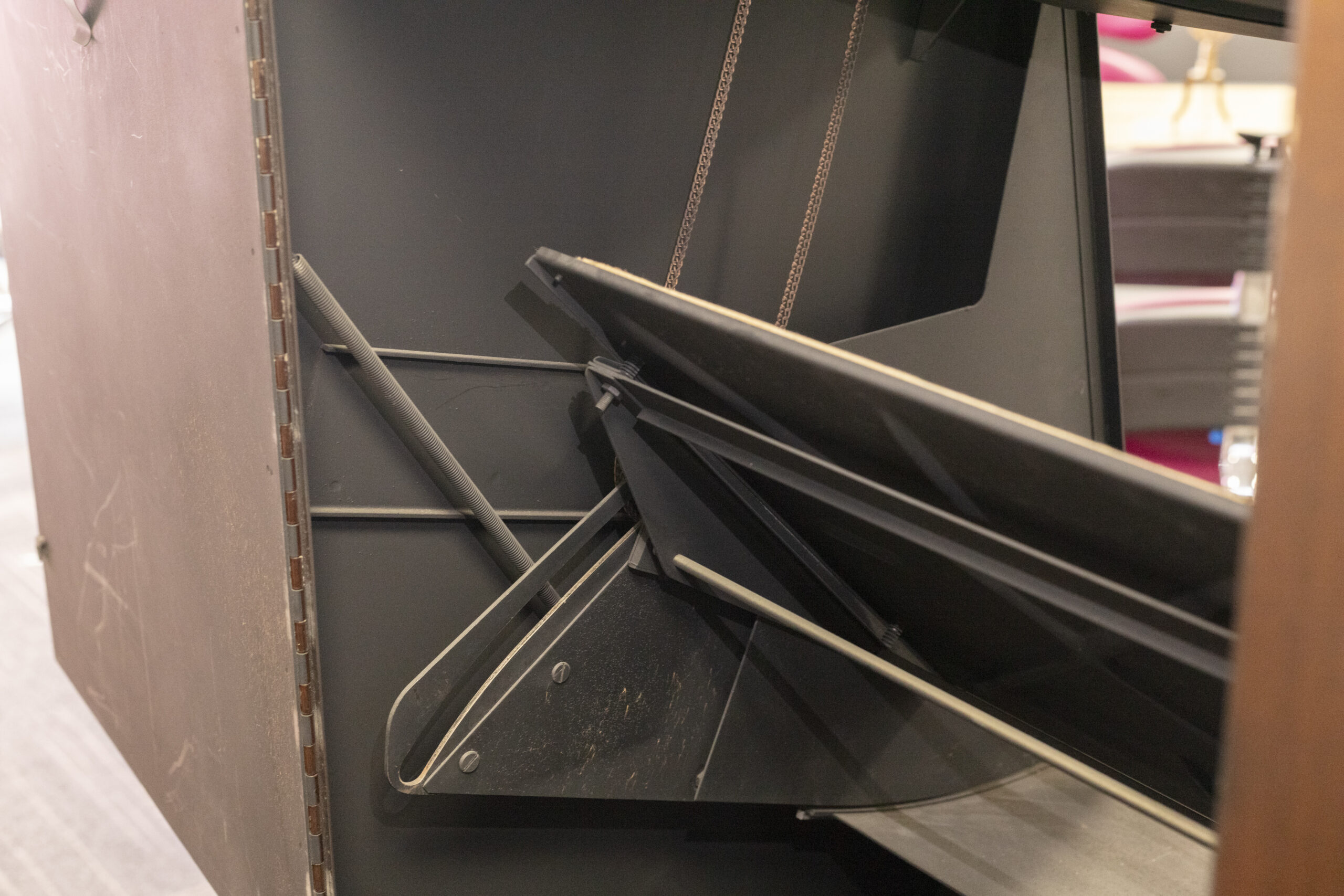
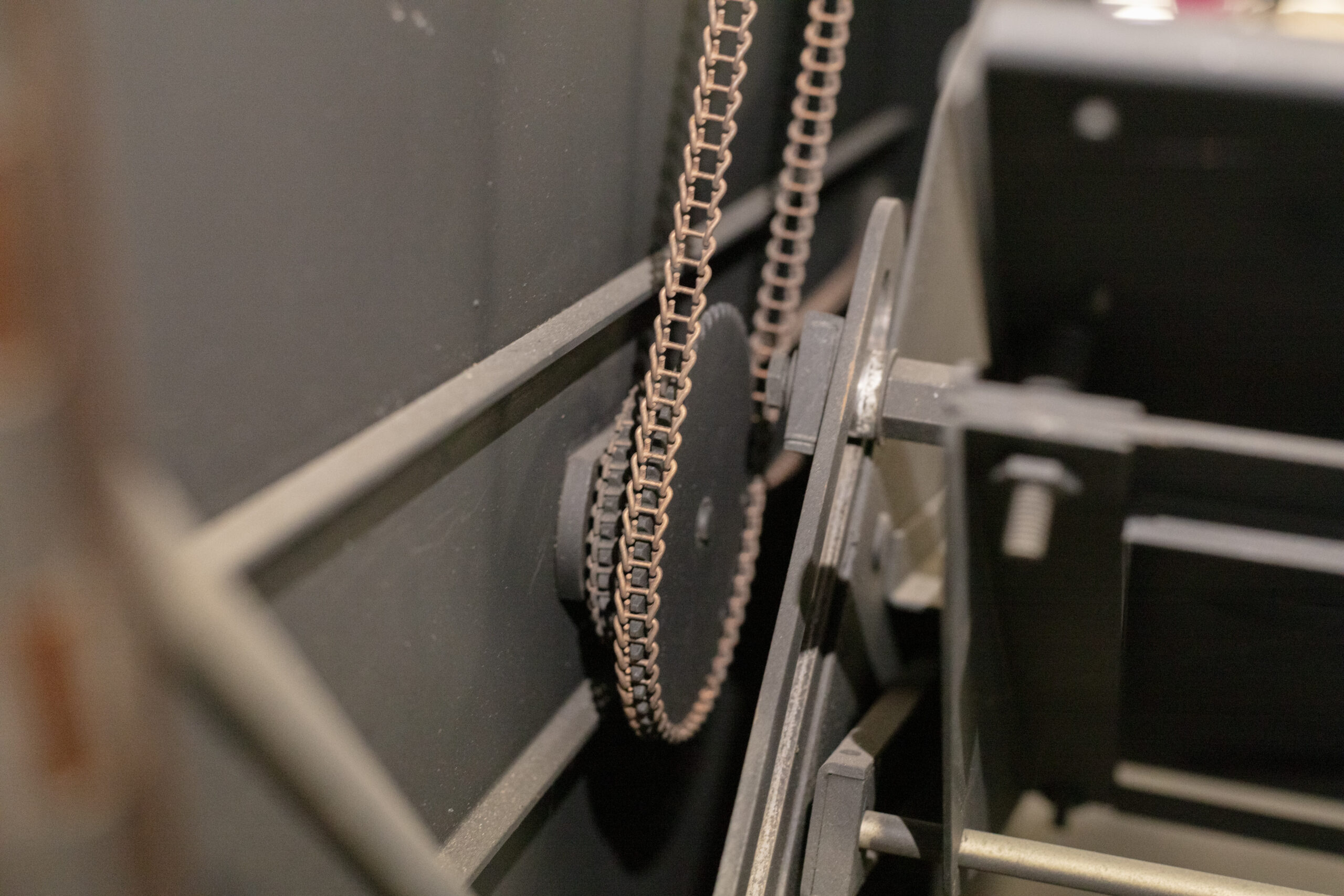
The restoration was carried out by Genus engineer Simon Bloomfield. Despite its age, the reader was in remarkably good condition and still retained its original bulb. With careful attention and a small number of adjustments, Simon returned the machine to full working order within a matter of days.
Following its restoration, the reader went on to find a new audience beyond the archive. It featured in ITV’s Grantchester Christmas special, appearing in a scene in which Sidney Chambers and the microfilm operator scroll through newspapers in search of clues to solve the crime.
The reader later appeared on screen again when it was hired by Netflix for The Crown in December 2017. It can be seen in The Crown, Series 2, Episode 6, around three minutes into the episode (see image below), giving this restored 1940s microfilm reader an unexpected second life as both an archival artefact and a piece of television history.
‘In June 1942 Donovan was promoted to general and made director of the newly formed Office for Strategic Services (OSS). He used his friend Eugene B. Power’s knowledge of microfilming to set up numerous clandestine microfilming operations in the UK where the Secret Services were already collating documents that had been gathered by British agents throughout Europe. Within months eight microfilm cameras were filming round the clock at various locations including the British Museum Library (BML), the Victoria and Albert Museum (V&A), Longleat House in Wiltshire, Woburn Abbey (which was also at that time a billet for a number of Wrens working at Bletchley Park), and 23 other locations. Cameras and photographers were also sent to various locations in Europe where sacks of mail from Berlin were clandestinely opened and microfilmed before being resealed!
After the war Eugene B. Power set up an English subsidiary of his US company and called it University Microfilms Ltd. The company was run by Mrs. Phyllis Cain, an amazing lady who had also had a very interesting war and whom I was privileged to know. I joined the company in 1961 and microfilmed many interesting documents during the ‘Cold War’.’
– Michael J Gunn, Author of the Manual of Document Microphotography