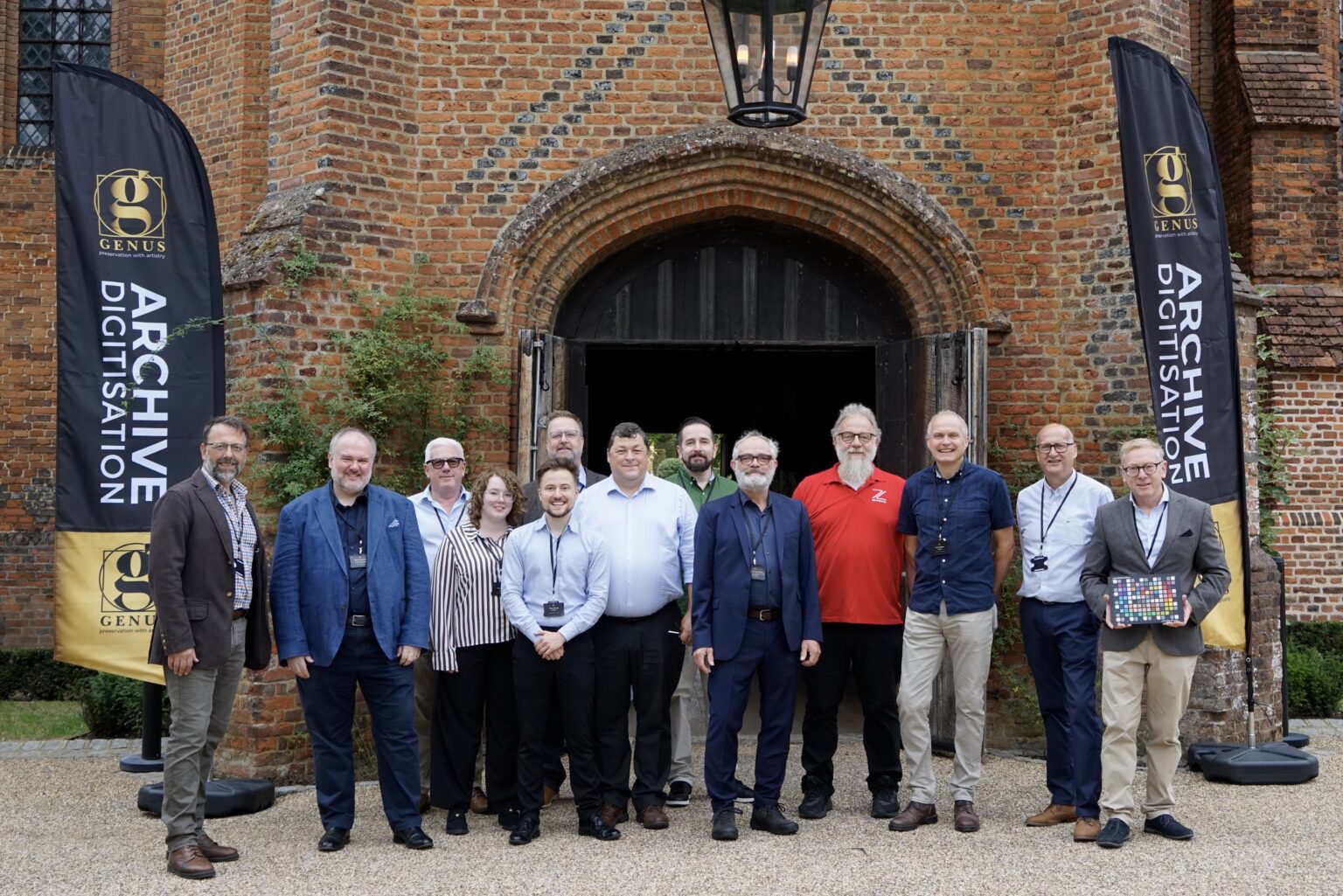
 On Thursday 3 September, invited GLAM sector guests gathered at the Old Palace at Hatfield House for Genus’s first cultural heritage digitisation forum.
It was a wonderful setting for the day: full of history, character and the kind of atmosphere that naturally gets people talking. The event was created to bring people from across the sector together to meet, share ideas and have useful conversations about the future of digitisation.
The idea behind the forum came from something we hear often in the cultural heritage community: people want more chances to talk openly and practically about digitisation and technology, without everything feeling like a sales pitch. So, the aim was simple – bring different institutions into the same room, create space for honest discussion, and give everyone the chance to learn from one another.
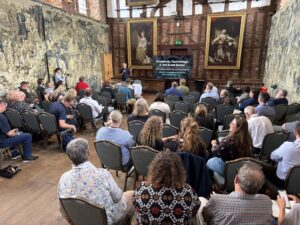 Across the day, the programme blended specialist talks, hands-on demonstrations and plenty of time for conversation. Guests heard from experts working in imaging standards, 3D digitisation and emerging uses of AI, while also bringing their own questions, challenges and experiences into the discussion.
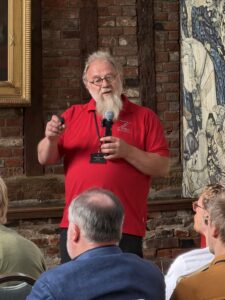
Volker Jansen, Technology Director for Zeutschel, kicked things off with the new Zeutschel 250 Megapixel CAM camera, giving guests a close-up look at what’s happening in high-resolution capture.
His session made it easy to see how this kind of next-generation imaging kit can help institutions capture collections with real precision, consistency and detail.
To finish the day, guests also saw the CAM in action alongside the CET357, Correct Exposure Tool, a great way to end the day and really show what the equipment can do.
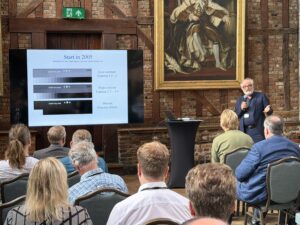
Hans van Dormolen, the renowned preservation imaging expert and author of the Metamorfoze Imaging Standard, introduced the new 3D test chart and talked through the latest developments in Metamorfoze 2.0.
He also showed how the CET357 tool can be used to correct Opto-Electronic Conversion Function (OECF) in digital images. For anyone interested in getting digitisation right, it was a really useful look at the standards and methods that help keep image capture accurate, sustainable and consistent.
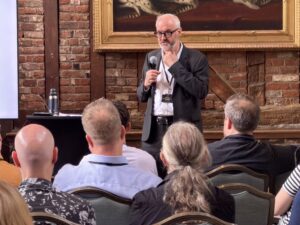 Tim Boon, Professor of the Material and Public Culture of Science at UCL and Curator Emeritus at the Science Museum Group, shared some fascinating lessons from the Congruence Engine project. He talked about how the project used digital techniques, including AI, to connect industrial history collections held in museums and archives across the UK.
It sparked a really thoughtful discussion about how data, collaboration and interpretation can help us explore history in richer and more connected ways.
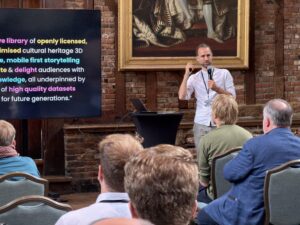
Thomas Flynn, Consultant Visiting Fellow at Bournemouth University, Co-chair of the IIIF 3D Community Group and Advisory Board member for the 2+3D Photography Conference, shared insights from his work with Wikimedia and the National Lottery Heritage Fund on the UK 3D ‘Heritage Data at Risk’ project. The project discussed the risks and concerns currently felt by the UK cultural heritage 3D industry around storage, security and how best to handle metadata currently held on Sketchfab.
During the event, Thomas captured footage around the grounds of Hatfield House, which was later processed into a series of Gaussian splats using Niantic Spatial and Splatica. If you’d like to take a look yourself, you can explore the Gilded stone cherub from the old palace knot garden, a woodland garden urn, and a stone frieze of Queen Elizabeth and her ministers through the links.