
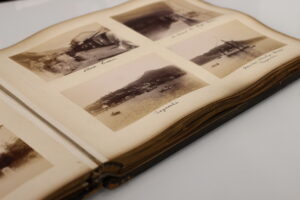
 Since 1897, Country Life has been one of the UK’s most recognisable chroniclers of countryside culture, architecture, gardens, antiques, rural events and country living. Its photographic archive captures more than a century of British heritage, from country houses and landscapes to agricultural work, Highland gatherings and everyday rural life.
With more than 200,000 glass-plate and acetate negatives, alongside thousands of prints and transparencies, the archive represents an exceptional visual record. Preserving it required a digitisation partner with the technical expertise, specialist handling processes and heritage-sector understanding to protect fragile originals while improving long-term access.
 The Brief
During Country Life’s 125th anniversary year, Genus was selected to support an ambitious project to digitise the magazine’s extensive photographic archive. The goal was to preserve delicate source material, reduce the need for physical handling and make the collection easier to access, search and reuse. As John Goodall, Editor-in-Chief of Country Life, described it, the project would “make its riches properly accessible to everyone for the first time”.
- Scope: Over 250,000 images, ranging from the earliest glass plate negatives (the oldest format in the collection) right up to 35mm colour negatives.
- Formats handled: Glass plate negatives, large and medium format films, 35mm colour negatives, including black & white.
- Existing systems: Country Life already had a robust file-naming system and basic cataloguing in place. As a result, the project did not require extensive indexing or rehousing, allowing the work to focus primarily on image capture and editing.
 Digitisation standards & workflow:
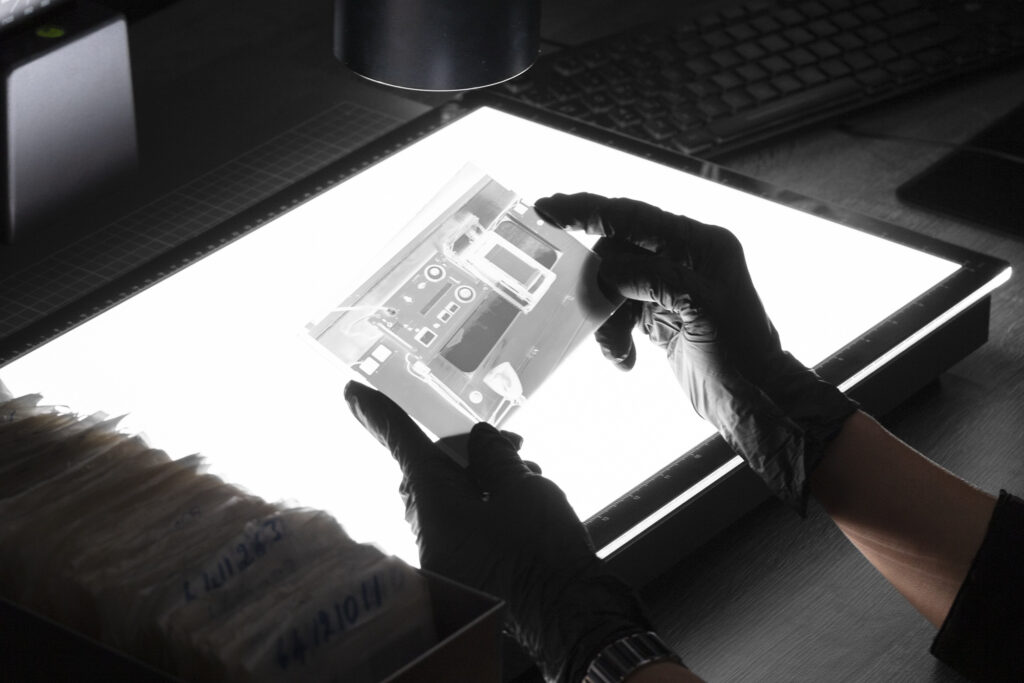
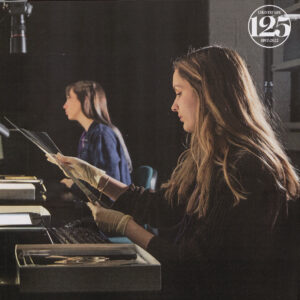
- Genus used high-resolution capture to preserve fine detail. The digitisation of glass-plate negatives required careful handling, non-contact capture methods, such as camera and lightbox set-ups rather than flatbed scanning, and the highest practical resolution for archival preservation.
- The workflow included colour correction, white balance, careful handling of fragile emulsions and format conversion from negatives to positives.
- Output formats: stable master files (TIFF or equivalent lossless), plus derivatives (JPEG or web-optimised formats).
 The Results
- A complete digital archive: approximately 250,000 items were digitised, creating a high-resolution digital resource for long-term access and reuse.
- Improved preservation: fragile originals, including glass plates, can be protected from unnecessary handling while digital surrogates support day-to-day access.
- Greater accessibility: Country Life teams, researchers and licensing stakeholders can work with a more searchable, usable and shareable digital collection.
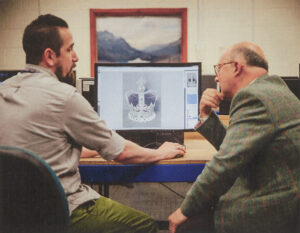
- A powerful proof of concept: the restored 1936 negative demonstrated Genus’s ability to combine preservation, digitisation and image restoration expertise in a single project.
